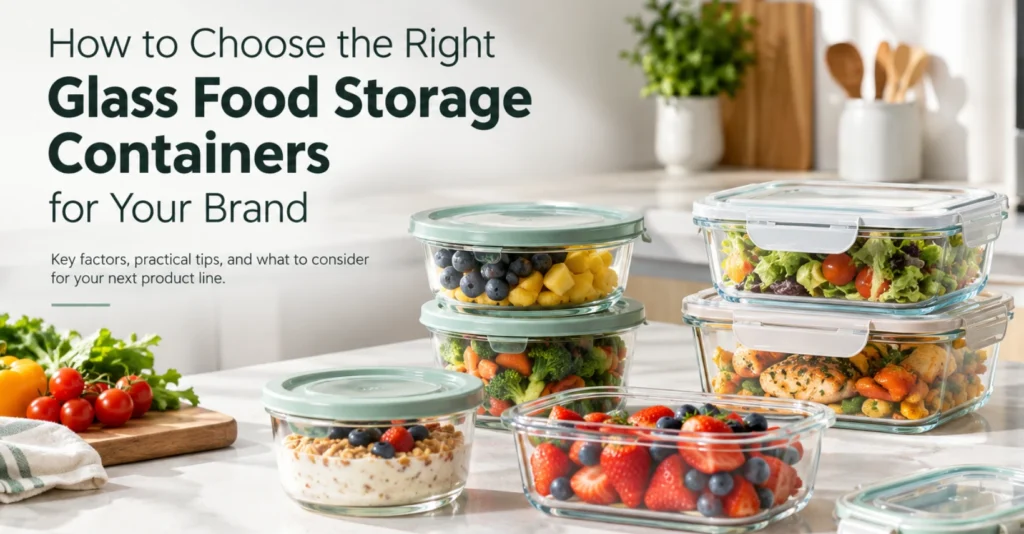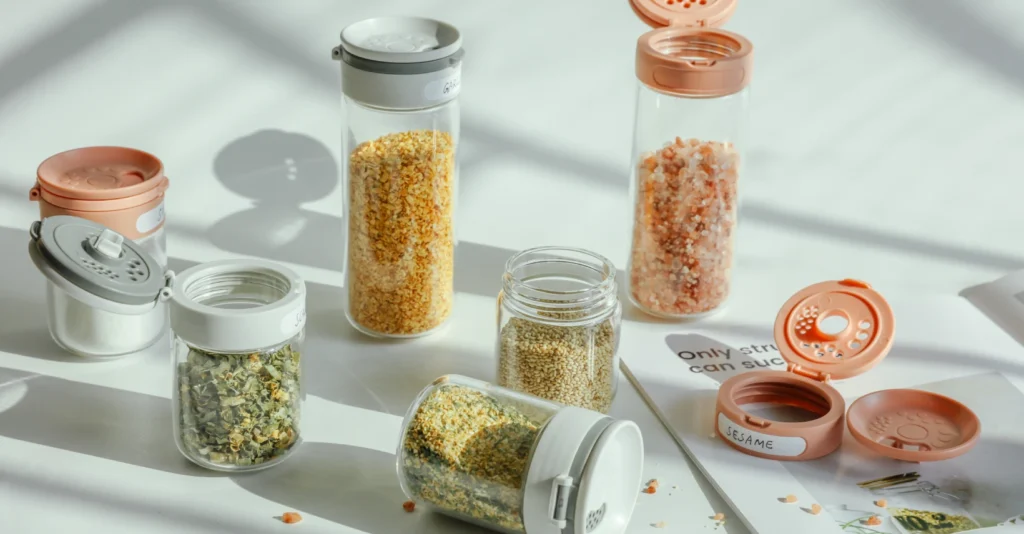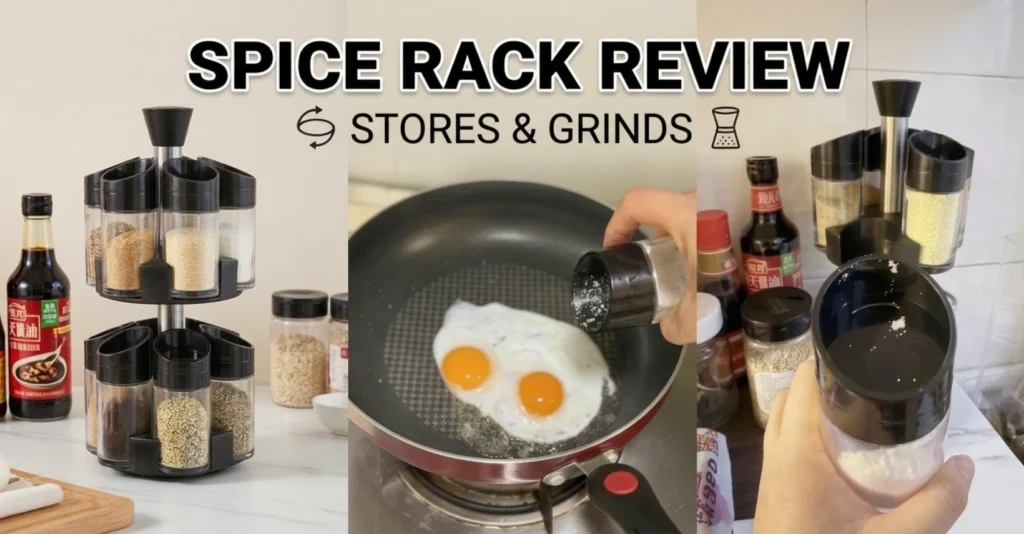
In mass volume consumer goods procurement and supply chain logistics, vague product descriptions are a major financial liability. For wholesale buyers, commercial food brand managers, and retail category leads, specifying the wrong container seal dynamics doesn’t just impact usability—it risks catastrophic product spoilage, costly cargo transit damage, retail chargebacks, and degraded brand equity.
The most common engineering blind spot in glassware procurement is treating “airtight” and “leakproof” as interchangeable marketing terms.
In truth, they represent entirely separate structural mechanisms. Understanding the technical boundaries between gas-barrier isolation and hydrostatic fluid containment is crucial for optimizing your glass product line and driving maximum B2B supply chain profitability.
Decoupling the Science: Airtight vs. Leakproof Storage Jars Mechanisms
When sourcing premium glass housewares, procurement teams must evaluate engineering designs based on the specific physical state of the contents the vessel is meant to preserve.
Airtight Mechanisms: Gas and Moisture Barrier Dynamics
An airtight glass storage jar is designed to completely block the exchange of gases and ambient vapor between the internal micro-environment and the outside atmosphere.
The Material Advantage: Soda-lime and borosilicate glass are fundamentally impermeable, offering zero Gas Transmission Rates (GTR)—a massive structural advantage over porous plastics.
The Engineering: Airtight performance depends entirely on the lid interface. It requires continuous elastomeric silicone gaskets paired with heavy-duty mechanical down-force (such as stainless steel wire bails, threaded wooden/bamboo closures, or tight-fitting friction lids).
The Goal: To seal out microscopic oxygen and water vapor molecules, completely halting food oxidation, maintaining the freshness of delicate dry aromatics, and preventing clumping in hygroscopic powders.
Leakproof Mechanisms: Hydrostatic Containment Mechanics
A leakproof glass container is engineered to withstand hydraulic pressure forces, preventing low-viscosity fluids or liquids from weeping or escaping past the sealing lip.
The Material Advantage: High-density glass maintains its rigid perimeter without flexing under localized stress, providing an unyielding surface for liquid-tight compression seals.
The Engineering: This relies on macro-level liquid containment. It requires high mechanical compression from multi-sided snap-locking plastic or bamboo lids, or specialized tempered glass lids featuring wide, flexible silicone borders. The seal must deform uniformly into the glass rim to block path options for shifting liquids.
The Goal: To contain liquids securely under dynamic kinetic strain—including vertical drops, transport shaking, or variations in ambient cabin pressure during commercial shipping.
Real-World Applications: EasyLife Housewares Design Standards
At EasyLife Housewares, we blend high-grade glass manufacturing with multi-material lid architectures to solve clear commercial pain points for mass-market retailers.
Airtight Freshness Preservation — The Airless Food Storage Canister Line
The B2B Challenge: Wholesale buyers in the premium coffee, loose leaf tea, and spice markets face rapid stock degradation when items are exposed to trapped oxygen inside standard canisters. Simple drop-on wooden or plastic lids look premium but fail to block long-term micro-gaseous exchange.
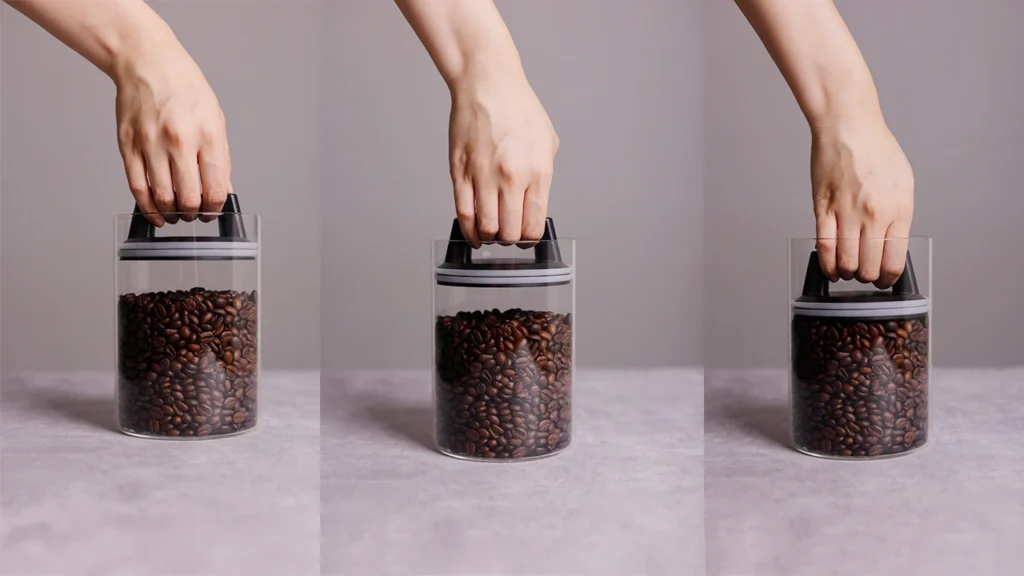
The EasyLife Engineering Solution: Our signature Airless Food Storage Canister integrates heavy-gauge glass bases with a specialized mechanical sealing lid. Available with premium sustainable bamboo, natural wood, or sleek stainless steel finishes, these lids feature an active air-expulsion valve system backed by medical-grade silicone seals. Pressing the closure mechanism actively forces out internal air while locking down a continuous perimeter seal. This keeps oxygen exposure to an absolute minimum, ensuring long-term flavor retention and boosting retail shelf-life metrics by up to 300%.
Hydrostatic Transit Integrity — The EasyClip Food Lunch Box Series
The B2B Challenge: For modern meal prep brands and global supermarkets, liquid transport in glass is a high-risk operation. If a lunch box lid flexes even slightly under the weight of stacked pallets or sudden handling drops, liquid escapes, destroying outer packaging and causing total wholesale shipment rejections.
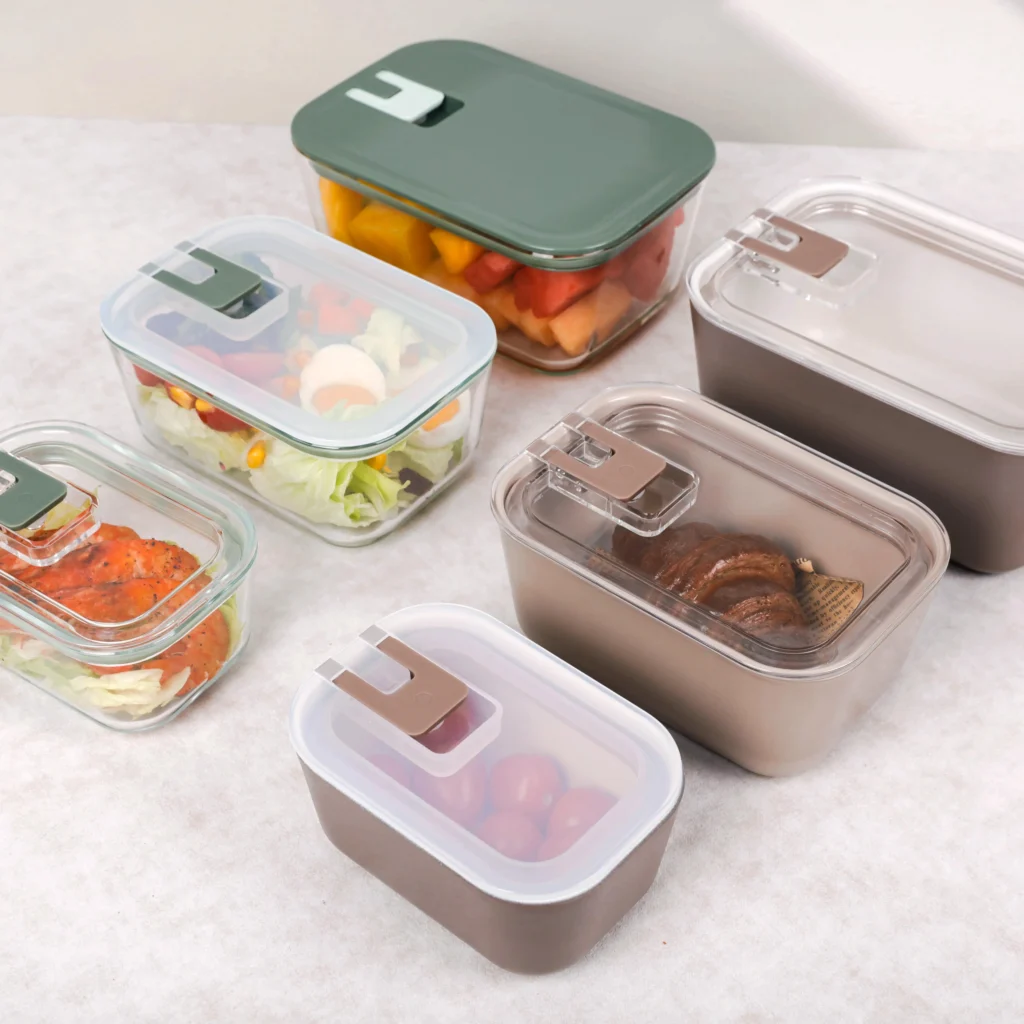
The EasyLife Engineering Solution: To solve this structural pressure problem, we developed the EasyClip Food Lunch Box. By lining the inner rim with an over-molded, deep-channel silicone profile, the heavy clip system exerts powerful, uniform mechanical pressure along the unyielding glass edge. Even under rapid orientation changes, temperature swings, and severe drop testing, the mechanical clips prevent seal slippage, providing reliable leakproof security.
Strategic Sourcing Framework: 4 Steps for Procurement Managers
When choosing a premium glass container manufacturer or putting together your next wholesale purchasing program, use this technical framework:
1. Match Lid Materials to Target Demographics
Different lid configurations provide distinct commercial benefits across retail and commercial spaces:
- Stainless Steel Lids: Provide a modern, industrial look with great corrosion resistance—perfect for high-end pantry storage displays.
- Bamboo & Natural Wood Lids: Appeal to eco-conscious consumers looking for organic home decor elements; require precise internal plastic or silicone linings to ensure structural stability.
- Tempered Glass Lids: Offer complete product visibility from the top down and match the thermal endurance of the base vessel for seamless oven-to-table use.
- Heavy-Duty Plastic/Silicone Lids: Deliver excellent cost efficiency and impact durability for daily meal-prep transport.
2. Verify Glass Composition and Quality
Ensure the glass formulation matches its intended operational environment:
- High-Borosilicate Glass: Essential for oven, microwave, and freezer applications due to its very low coefficient of thermal expansion (resists cracking during rapid temperature changes).
- Premium Soda-Lime Glass: Highly cost-effective and perfectly optimized for ambient pantry storage jars, counter display canisters, and general spice organization.
3. Demand Rigorous Lab Testing & Certifications
Top-tier manufacturers provide verifiable testing documentation to clear international regulatory hurdles:
- Pressure & Drop Performance: Request thermal shock testing curves, vacuum pressure drop logs, and standard drop-test certificates.
- Global Food Safety Compliance: Ensure all materials—including glass bodies, silicone rings, and wood treatments—hold verifiable FDA (USA), LFGB (Germany), and EU Framework Regulation food-contact certifications.
4. Partner with a Vertically Integrated OEM/ODM Manufacturer
Sourcing through brokers limits your control over material tolerances. Working directly with an integrated facility like EasyLife Housewares gives procurement managers direct access to high-precision glass blowing, automated injection molding, precision lid fabrication, and end-to-end quality assurance monitoring.
FAQ about B2B Procurement
Can a glass storage jar be completely airtight but NOT leakproof?
Yes. A glass jar utilizing a pull-off bamboo lid with a flexible silicone fin seal can block ambient air currents quite well under vertical conditions. However, if that same jar is filled with heavy liquid, turned upside down, and shaken, the weight of the fluid can easily push the passive friction lid out of place because it lacks the mechanical clamping required to fight hydraulic pressure.
Why is glass a superior base material for airtight storage compared to commercial plastics?
Plastic polymers have low but measurable gas transmission rates (OTR/WVTR), meaning oxygen can slowly pass through the plastic body itself over time. Glass has a completely non-porous crystalline structure, creating an absolute barrier against gas movement. In an airtight application, a glass container’s only potential point of failure is around the rim seal.
Do natural bamboo and wooden lids warp or compromise airtight seals over time?
Raw wood absorbs environmental moisture, which can lead to swelling or warping that damages a seal. To prevent this, EasyLife seals its premium bamboo and wood lids with food-safe, moisture-resistant protective coatings. We also back the natural wood shell with a hidden plastic or stainless steel inner core to hold the silicone gaskets perfectly in place over the years of use.
What is the benefit of a tempered glass lid compared to standard plastic options for meal prep lines?
Tempered glass lids provide premium aesthetic appeal, scratch resistance, and full top-down visibility while remaining free of chemical concerns like BPA. When paired with a thick silicone sealing edge, they match the high thermal resistance of borosilicate glass bases, allowing consumers to transition the container seamlessly from cold storage straight into heated convection ovens without changing lids.
Conclusion: Maximizing Brand Value Through Precise Specifications
In global consumer housewares distribution, precision is everything. A glass jar labeled broadly as “secure” without specifying its exact mechanical properties introduces risk into your retail supply chain.
By separating the molecular gas-barrier protection of airtight systems from the hydraulic containment of leakproof closures, procurement professionals can align product lines with true customer needs. Investing in distinct, engineered lines—such as the EasyLife Airless Glass Canister for long-term freshness or the EasyClip Borosilicate Lunch Box for mobile transit stability—helps reduce product loss, eliminate return rates, and secure higher consumer trust at checkout.