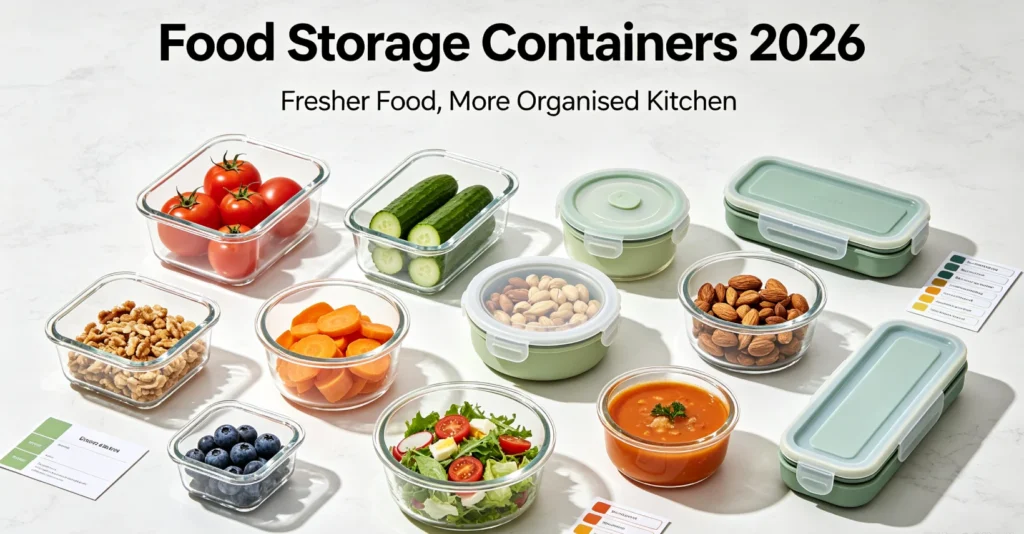
B2B glass kitchen canister exporters and importers often face a hidden shipping headache: flawless factory-perfect glass canisters turn foggy, hazy, or arrive with moldy packaging after long ocean transit. These moisture-induced issues do not break the glass, but they ruin product presentation, trigger customer complaints, increase rework costs, and even affect long-term wholesale cooperation. For bulk kitchen canister sea freight, effective humidity control is not an optional extra — it is a core guarantee for qualified, market-ready shipments. This article breaks down the causes of fog and mold issues and shares practical, B2B-tested moisture control solutions for long-distance glass kitchen canister shipping.
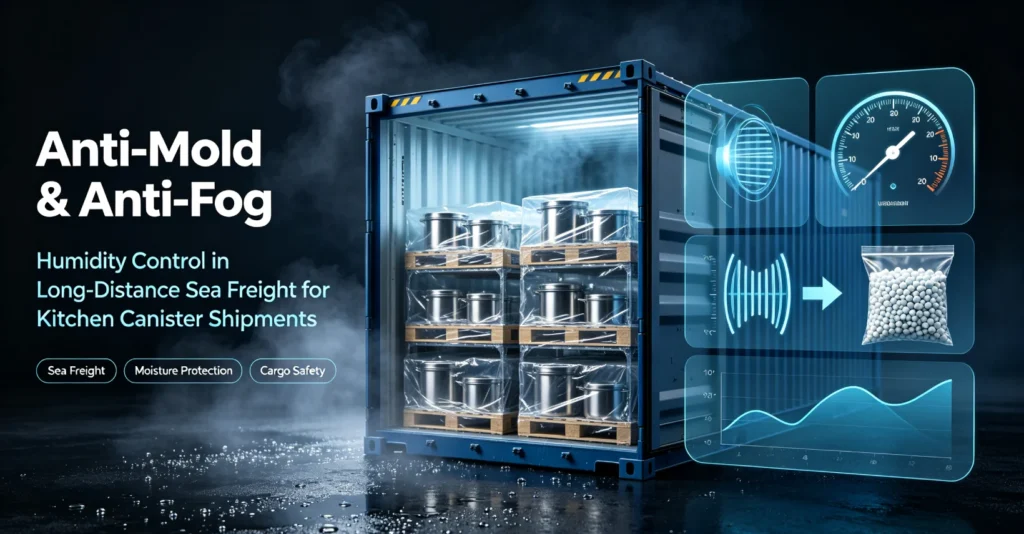
Stop Fog & Mold: Humidity Control for Kitchen Canister Shipping
For B2B suppliers of kitchen canister glass and glass storage jars, safe and flawless ocean shipping is critical to customer satisfaction and brand reputation. Glassware transportation involves far more than just breakage prevention. Long-distance sea freight exposes containerized shipments to drastic temperature fluctuations, extreme ambient humidity, and poorly ventilated sealed container environments — all leading to common shipping issues including foggy glass surfaces, surface condensation, moldy packaging, and moisture-induced damage.
As professional glass kitchenware suppliers serving global importers and wholesale buyers, we know that premium glass canisters can still suffer aesthetic defects after weeks of ocean transit, even with strict manufacturing quality control. Uncontrolled moisture during shipping results in hazy glass, water stains, and damp packaging, creating extra cleaning work, delaying shelf-ready preparation, and lowering overall shipment quality for your retail and wholesale businesses.
With scientific glassware shipping humidity control strategies, including high-efficiency silica gel desiccants and customized moisture-proof packaging solutions, B2B suppliers can eliminate moisture-related risks and ensure glass storage canisters arrive crystal-clear, mold-free, and ready for market sales.
Causes of Fog & Condensation on Shipping Kitchen Canister
Pure glass material does not absorb water or moisture, but the harsh microclimate inside shipping containers directly impacts the surface condition of kitchen canisters and glass food storage containers. Long-haul sea freight across tropical and temperate zones brings unavoidable environmental changes that trigger condensation and fogging issues:
- Extremely high humidity levels when shipping through tropical maritime regions
- Frequent temperature differences during loading, ocean transit, and port unloading
- Surface condensation formed by temperature and humidity deviation inside sealed containers
- Poor air circulation in fully loaded shipping containers
When warm humid container air contacts the cool surface of kitchen canister products, micro condensation forms and adheres to the glass. Upon container unpacking, buyers will notice foggy, cloudy glass surfaces and irregular water marks. Although these issues do not damage the structural quality of glassware, they compromise product presentation, increase warehouse inspection and reprocessing costs, and negatively impact customer receiving experience for bulk kitchen canister orders.
Key Humidity & Mold Risks for Bulk Kitchen Canister Freight
1. Foggy & Cloudy Glass Surface on Bulk Kitchen Canister
This is the most prevalent issue for long-distance kitchen canister shipping. After 20–40 days of ocean transit, unpacked glass storage jars and kitchen canister units often present a foggy, opaque appearance due to accumulated surface moisture. For wholesale distributors and retail brands, this ruins the premium visual texture of clear glass kitchen canisters and requires additional manual cleaning before merchandising.
2. Mold Growth on Packaging Accessories
Persistent high humidity inside shipping containers does not harm glass products but easily causes mold and mildew on auxiliary packaging materials. Affected materials include corrugated cartons, paper padding inserts, protective wrapping paper, and wooden shipping pallets. Moldy packaging contaminates bulk kitchen canister batches, affects batch integrity, and may even lead to customer complaints or order returns for B2B bulk shipments.
3. Degraded Packaging Protection Performance
Long-term moisture erosion weakens the hardness and toughness of export cartons, reducing the shockproof and anti-collision protection of outer packaging. Weakened packaging fails to protect bulk kitchen canister units during final port handling and warehouse storage, indirectly increasing the risk of glass breakage and secondary losses for bulk glassware shipments.
B2B Case: Anti-Fog & Anti-Mold Solutions for Kitchen Canister
One of our long-term wholesale customers specializing in kitchen glassware imports faced recurring moisture problems with their long-haul sea freight shipments. Due to cross-equator shipping routes and variable maritime weather, their bulk kitchen canister orders frequently suffered from condensation fogging and damp packaging after container arrival.
To solve these pain points, we optimized the entire packaging and shipping humidity management process, launching a targeted anti-mold and anti-fog shipping solution for kitchen canister bulk.
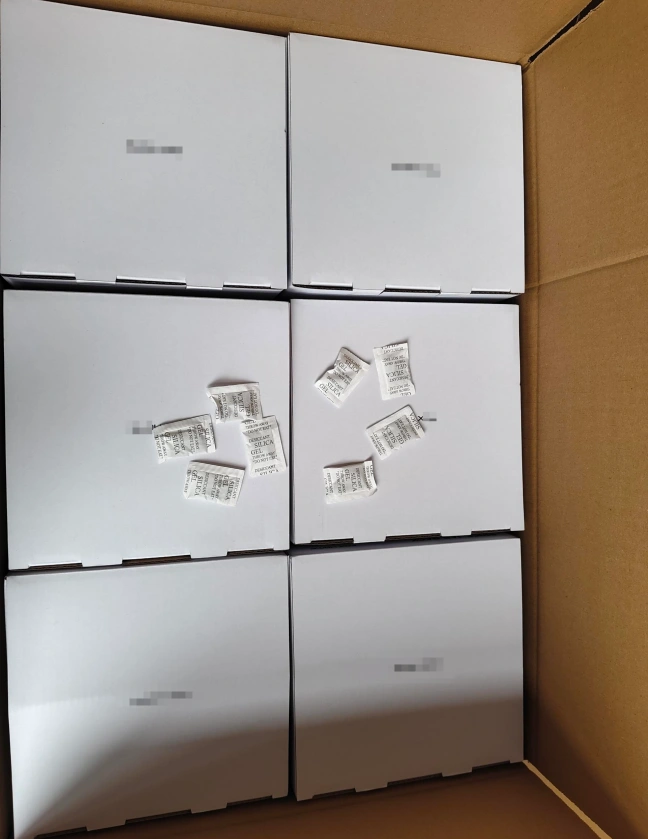
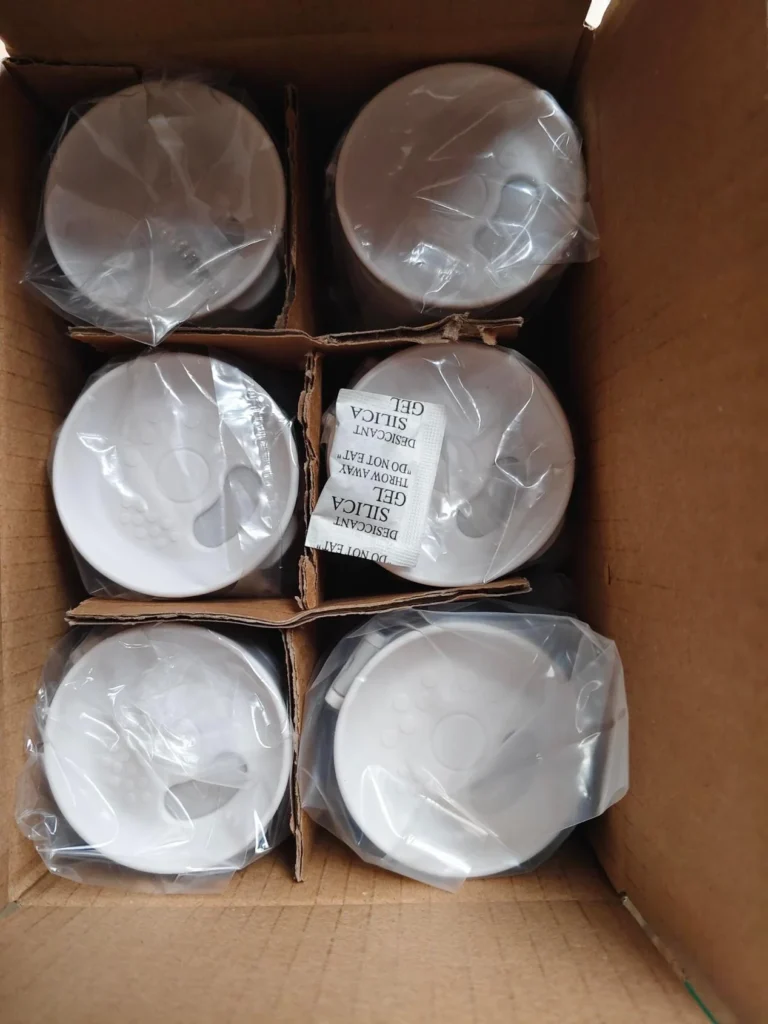
1. Individual Desiccant Packaging for Every Kitchen Canister
We added food-grade silica gel desiccants inside individual kitchen canister packaging to absorb residual moisture in cartons. This effectively eliminates micro-condensation on glass surfaces and prevents cloudy fogging during long ocean transit of bulk kitchen canister shipments.
2. Pre-Shipping Dehumidification Treatment
We added a standardized dehumidification process before packaging. All finished glass kitchen canister units are fully dried and stored in a constant-humidity workshop before packing, ensuring no trapped moisture remains in individual packaging boxes.
3. Container Hanging Desiccants for Overall Humidity Control
Before container loading, we installed large-capacity hanging container desiccants inside sealed shipping containers. These desiccants continuously absorb excess humidity throughout the entire voyage, stabilizing the internal container environment and providing full-layer moisture protection for bulk kitchen canister cargo.
After implementing the optimized moisture control system, the customer’s kitchen canister shipment fogging and mold issues were completely resolved. All bulk kitchen canister units arrived with clear surfaces and intact packaging, greatly improving order acceptance efficiency and customer repurchase rates.
Silica Gel: Core Moisture Protection for Kitchen Canister Freight
Silica gel desiccants are the most cost-effective, safe, and reliable moisture control solution for international kitchen canister sea freight. As a non-toxic, food-contact-safe dehumidification material, it perfectly matches the safety standards of kitchen canister products and provides long-lasting moisture absorption during long-distance shipping.
Core advantages for bulk kitchen canister sea freight moisture protection:
- Effectively reduce micro humidity inside product packaging and sealed containers
- Prevent surface condensation, fogging, and cloudy appearance of clear glass kitchen canisters
- Protect paper packaging and wooden pallets from mold and damp damage
- Maintain intact product presentation for bulk B2B glassware shipments
- Adapt to long-term transit and high-humidity tropical shipping environments
Final Tips: Optimize Kitchen Canister Shipping Quality
Long-distance sea freight brings unavoidable high humidity and temperature change challenges for bulk kitchen canister shipments. However, standardized moisture-proof packaging processes, matched silica gel desiccant solutions, and overall container humidity control can completely eliminate fogging, cloudy surfaces, and mold risks for glass kitchen canister products.
At EasyLife, we focus on B2B glass kitchenware export shipping optimization. We continuously upgrade our packaging and humidity management systems to ensure every batch of kitchen canisters maintains crystal clarity, perfect appearance, and intact quality from factory to overseas warehouses, helping global importers and wholesale brands reduce shipping risks and maximize product market value.