You’re standing in the kitchen aisle, staring at two beautiful storage containers. One has a warm, natural bamboo lid. The other boasts a sleek, metallic stainless steel cover. Which one do you pick?
It seems like a simple choice, but it’s actually a decision that affects your daily routine, food freshness, and even your wallet over time. I’ve tested both materials extensively in my own kitchen, and I can tell you—the answer to bamboo lids vs. stainless steel – which is more durable? It isn’t as straightforward as you might think.
Let’s break down the pros, cons, and real-world performance of each, so you can make the right call for your lifestyle.
Bamboo Lids – Natural Beauty with a Soft Spot
Bamboo lids have exploded in popularity over the last few years, and for good reason. They bring a warmth and organic feel that metal simply can’t replicate.
The Upside – Why People Love Bamboo
Natural aesthetic – Bamboo lids add a touch of nature to your kitchen. They pair beautifully with modern, Scandinavian, or farmhouse styles, making your countertops look like they belong in a design magazine.
Eco-friendly – Bamboo is one of the fastest-growing plants on Earth, reaching maturity in just 3–5 years. It’s fully biodegradable and requires minimal water and pesticides to grow.
Natural antimicrobial properties – Bamboo contains a bio-agent called “kun” that naturally inhibits bacterial growth and prevents odours from clinging to the lid. This is a real advantage for food storage.
Lightweight – Bamboo lids are noticeably lighter than stainless steel, making them easier to lift and handle, especially for larger containers.
The Downside – Where Bamboo Falls Short
Not water-friendly – Bamboo lids absorb moisture. If you soak them in water or put them in the dishwasher, they’ll warp, swell, and eventually crack.
Hand-wash only – Unlike stainless steel, bamboo lids require gentle hand-washing with a damp cloth. No shortcuts.
Temperature sensitive – Bamboo lids don’t belong in the freezer, microwave, or oven. Extreme temperatures can cause them to split or deform.
Limited lifespan – With proper care, bamboo lids can last several years, but they’re still a natural material that will eventually show signs of wear—dryness, cracks, or discolouration.
Stainless Steel Lids – The Heavyweight Contender
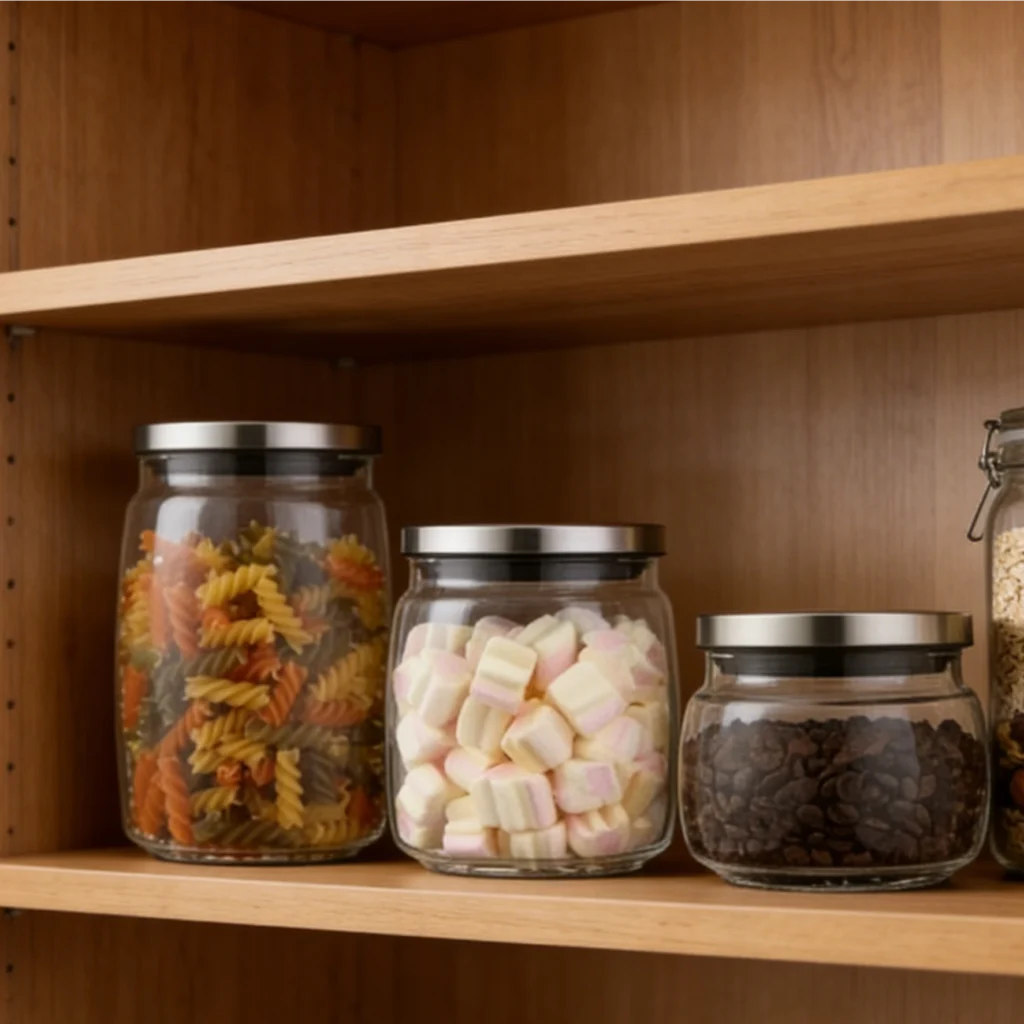
Now let’s talk about the other side of the bamboo lids vs. stainless steel debate. Stainless steel lids are the workhorses of the kitchen storage world.
The Upside – Built to Last
Extreme durability – Stainless steel lids are tough. They resist impacts, scratches, and everyday wear-and-tear. With minimal care, they can literally last a lifetime.
Rust and corrosion resistant – High-quality 18/8 or 304 stainless steel is highly resistant to rust and corrosion, even in humid environments or with frequent washing.
Odour and stain proof – Stainless steel has a non-porous surface that won’t absorb food odours or discolour over time. Your lid will look and smell brand new for years.
Dishwasher safe – This is a huge plus for busy households. Most stainless steel lids can go straight into the dishwasher without any issues.
Temperature versatile – Stainless steel handles both hot and cold extremes. You can put it in the freezer, use it with hot contents, or even place it near the stovetop without worrying about damage.
The Downside – Not Without Flaws
Heavier – Stainless steel lids add noticeable weight to your containers. Frequent opening and closing can become slightly cumbersome, especially with large jars.
Heat conductivity – Metal lids can get hot when exposed to high temperatures, so you may need a towel or mitt to handle them.
Industrial feel – Stainless steel has a modern, sleek look, but it lacks the warmth and organic charm of natural bamboo.
Higher production cost – Quality stainless steel lids are typically more expensive to manufacture, which is reflected in the retail price.
Bamboo Lids vs. Stainless Steel – Head-to-Head Comparison
| Feature | Bamboo Lid | Stainless Steel Lid |
|---|---|---|
| Durability | Good, but requires care | Excellent, nearly indestructible |
| Water resistance | Low – warps when soaked | High – completely waterproof |
| Dishwasher safe | No | Yes |
| Freezer safe | No | Yes |
| Eco-friendliness | Biodegradable, low carbon footprint | Highly recyclable, but energy-intensive to produce |
| Aesthetic | Warm, natural, rustic | Modern, sleek, industrial |
| Antimicrobial | Yes (natural “kun” agent) | No natural antimicrobial properties |
| Weight | Light | Heavy |
| Price | Generally lower | Generally higher |
The honest verdict? Stainless steel wins on raw durability and low-maintenance living, while bamboo wins on aesthetics and environmental sustainability.
How to Make Your Lids Last Longer – Care Tips
Whichever side you lean towards in the bamboo lids vs. stainless steel debate, proper care makes a world of difference. Here’s how to extend the life of your lids:
Caring for Bamboo Lids
Hand-wash only – Use warm water, a soft cloth, and mild dish soap. Never submerge the lid in water.
Dry immediately – After washing, wipe the lid dry with a soft towel. Don’t let it air-dry, as trapped moisture can cause warping.
Oil occasionally – Apply a thin layer of food-grade mineral oil every few months to prevent the bamboo from drying out and cracking.
Keep away from heat – Never put bamboo lids in the dishwasher, microwave, oven, or freezer.
Caring for Stainless Steel Lids
Dishwasher safe – Most stainless steel lids can go in the dishwasher. Place them on the top rack to avoid direct heat.
Hand-wash for longevity – If you want to keep your lids looking flawless, hand-wash with mild soap and a soft sponge.
Avoid abrasive cleaners – Steer clear of steel wool or harsh scrubbers that can scratch the surface.
Dry thoroughly – While stainless steel resists rust, wiping it dry prevents water spots and maintains its shine.
Which One Should You Choose?
Choose bamboo lids if:
- You love a warm, natural, organic kitchen aesthetic
- You’re committed to eco-friendly, sustainable materials
- You don’t mind hand-washing and a little extra care
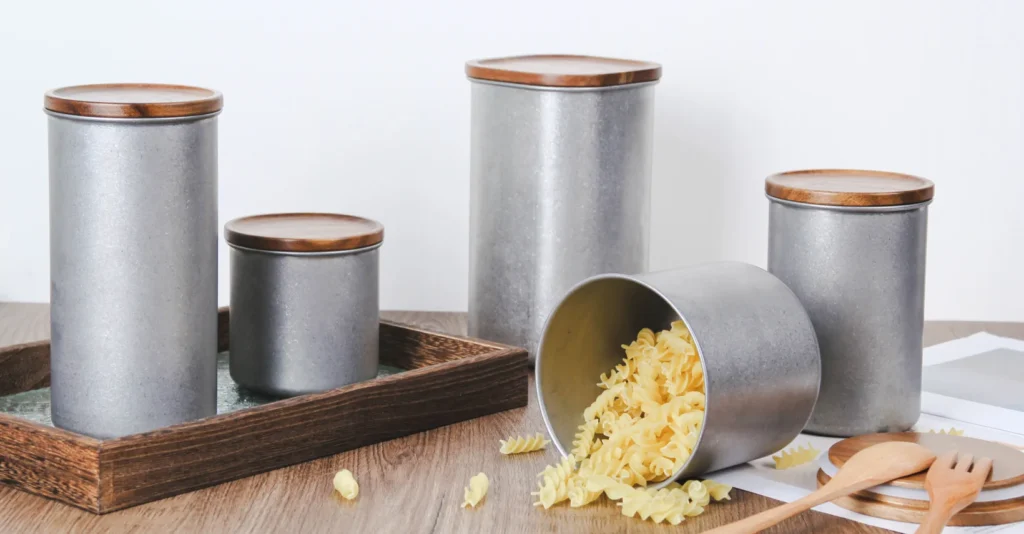
- You store mostly dry goods like grains, pasta, and coffee beans
Choose stainless steel lids if:
- You value maximum durability and low maintenance
- You want dishwasher convenience
- You need freezer-safe containers
- You’re looking for a “buy it for life” solution
Conclusion
So, bamboo lids vs. stainless steel – which is more durable? The answer depends on what “durable” means to you.
If you’re talking about raw, drop-it-on-the-floor, dishwasher-every-day, last-a-lifetime durability—stainless steel takes the crown. But if you value sustainable materials, natural beauty, and a warmer kitchen aesthetic—bamboo is a worthy champion.
The good news? You don’t have to pick one forever. Mix and match based on your needs. Use stainless steel for daily lunch containers and high-traffic storage. Use bamboo for decorative pantry display and dry goods. And if you want a product that combines the best of both, EasyLife Housewares has you covered with their stainless steel container + bamboo lid collection.
Choose wisely, care well, and your lids will serve you faithfully for years to come.