In a world that’s becoming increasingly aware of sustainability and food safety, glass containers have made a strong return to modern kitchens. We’re all looking for ways to reduce our reliance on plastic, move toward zero-waste solutions, and ensure the food we store is free from leaching chemicals.
Among all the options, the classic Mason jar stands out. It’s the dependable, reusable, and endlessly versatile workhorse of the kitchen. We trust it to preserve summer harvests, store pantry staples, and even serve as a rustic drinking glass. Given its durability, it’s the natural next step to look at your freezer and wonder…
This leads to the big, anxious question: Can you freeze Mason jars?
If you’ve hesitated, you’re right to be cautious. We’ve all heard the horror stories: a friend opens their freezer to find a once-beautiful jar of broth now a dangerous, icy spiderweb of shattered glass. The fear of cracking, wasting food, and dealing with a hazardous mess is enough to make anyone stick to plastic bags.
So let’s clear the air once and for all.
Yes, you absolutely can freeze food in Mason jars. It is a fantastic, safe, and effective way to store soups, sauces, broths, and garden produce without using a single piece of plastic.
But—and this is the most important part—you must follow a few simple, non-negotiable rules. The problem isn’t the glass; it’s the physics. When liquids freeze, they expand. Glass, unlike plastic, doesn’t stretch. The secret to success isn’t in if you can do it, but how you do it.
The difference between a perfectly preserved freezer stash and a disastrous mess comes down to two key things: choosing the right jar and leaving the right amount of headspace.
In this guide, we will walk you through everything you need to know to freeze food in glass jars with total confidence. We’ll cover which jars are freezer-safe (and which to avoid), exactly how much space to leave at the top, and the best tips for thawing to ensure you never face a crack-up again.
Why Glass Freezing Works
Glass is a strong yet delicate material. When handled correctly, it can preserve food beautifully while keeping it free from plastic contact or unwanted odors.
The secret lies in understanding how freezing works:
Liquids expand when they freeze, so glass containers need to handle temperature changes slowly and evenly. Choosing the right jar shape and leaving enough space inside can make all the difference in keeping your glass safe and intact.
Once you master this, glass becomes the most natural, clean, and sustainable choice for food storage.
Choosing the Right Jar
Not all glass jars are created equal, and not all are designed for freezing. Using the wrong container is the primary reason for freezer failures, which is why your selection—whether for your personal kitchen or a premium brand line—is critical.
When selecting jars for safe and effective freezing, consider these essential design features:
- Wide-Mouth Jars for Safety and Ease: Prioritize wide-mouth jars. Their wider neck not only makes filling and scooping out contents incredibly easy, but more importantly, it provides a larger, more gradual surface area for the frozen contents to push against as they expand. This crucial space significantly reduces internal pressure and helps prevent cracking. Avoid jars with “shoulders” (the tapered neck), as this is a major pressure point.
- Thick, Temperature-Resistant Glass: Look for glass that feels sturdy and substantial. Thicker, temperature-resistant glass (often borosilicate or specifically tempered soda-lime glass) helps prevent cracking not only from the internal pressure of freezing but also from sudden temperature changes (thermal shock)—like moving a jar from the freezer directly into a bowl of warm water for thawing.
- Smooth, Seamless Base: Examine the bottom of the jar. A seamless, smooth base reduces inherent weak points in the glass structure. Areas where the glass is thinner or where seams meet can become stress points, making them vulnerable to shattering during expansion. A quality jar will have a consistent thickness throughout.
- Airtight Lids with Silicone Seals: The best storage results come from lids that ensure airtight integrity. Look for a robust lid system, often featuring a metal band and disc or a bamboo lid with a high-quality silicone seal. This seal locks out freezer burn, prevents leaks during transport, and keeps your ingredients fresh and pure for extended storage.
How to Freeze Food Safely
Freezing in glass jars is simple when done thoughtfully:
- Let food cool to room temperature.
- Pour into the jar, leaving about 2–3 cm (1 inch) of space at the top.
- Keep the lid loose or off while freezing.
- Chill in the refrigerator first, then move to the freezer.
- Once solid, seal tightly and label with contents and date.
Small details make a big difference — from the jar’s shape to its lid design — ensuring long-lasting safety and convenience.
Smart Thawing Tips
To defrost safely, patience is key.
Move the frozen jar to the refrigerator overnight, or place it in cool water for a faster thaw.
Avoid hot water or microwave use, which can cause sudden temperature stress.
High-quality jars are designed to handle transitions smoothly — from freezer to fridge to room temperature — making everyday food storage simple and reliable.
Common Mistakes to Avoid
| Mistake | Result | Solution |
| Overfilling the jar | Cracking | Leave 2–3 cm space |
| Freezing hot food | Thermal stress | Cool before freezing |
| Tight lid before freezing | Pressure build-up | Keep it loose |
| Shoulder-style jar | Food gets stuck | Choose straight sides |
| No labeling | Confusion | Add contents & date |
Following these small steps can save time, prevent waste, and keep your kitchen beautifully organized.
A Sustainable Way Forward
Freezing food in Mason jars is more than a kitchen tip — it’s a choice that reflects care for what we eat and how we live.
Each reusable glass container reduces plastic waste, preserves freshness, and adds a touch of elegance to daily routines.
At EASYLIFE, we believe sustainability should feel effortless — built into the way we store, cook, and share food.
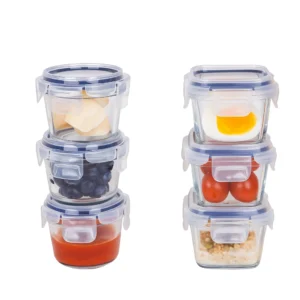
Discover our collection of freezer-safe Mason jars designed for modern, eco-conscious kitchens:
Recommended products


Our mission is to help homes and brands around the world enjoy a cleaner, more sustainable lifestyle, one well-made jar at a time.
Sustainable Living Made Simple
Freezing food in glass isn’t just a practical choice — it’s a small act of care for your health and the planet.
Each reusable jar helps reduce single-use plastic, keeps your food pure, and adds timeless elegance to your daily life.
At EASYLIFE, we believe sustainability should be effortless.
Our mission is to help homes and brands everywhere create a cleaner, smarter, and more beautiful way to store and enjoy food — one glass jar at a time.
Freezing food in Mason jars is a simple, sustainable way to preserve freshness while reducing plastic waste. By choosing the right jars — wide-mouth, thick, and temperature-resistant with airtight silicone-sealed lids — and following basic steps like cooling food before freezing and leaving room for expansion, you can safely store soups, sauces, and more without risk of cracking. Gentle thawing keeps jars intact, and labeling ensures easy organization. This mindful approach to food storage combines practicality with eco-conscious living.
At EASYLIFE, we believe sustainability should be effortless — helping homes and brands embrace cleaner, smarter, and more beautiful ways to enjoy and store food, one glass jar at a time.