Meal prepping is one of the most effective habits you can build for your health, time management, and wallet. Spending two hours on a Sunday preparing lunches and dinners sets you up for stress-free weekdays.
However, a common dilemma quickly arises: What do you do when you cook a massive batch of chili, lasagna, or chicken teriyaki that you simply can’t finish in 3 to 4 days?
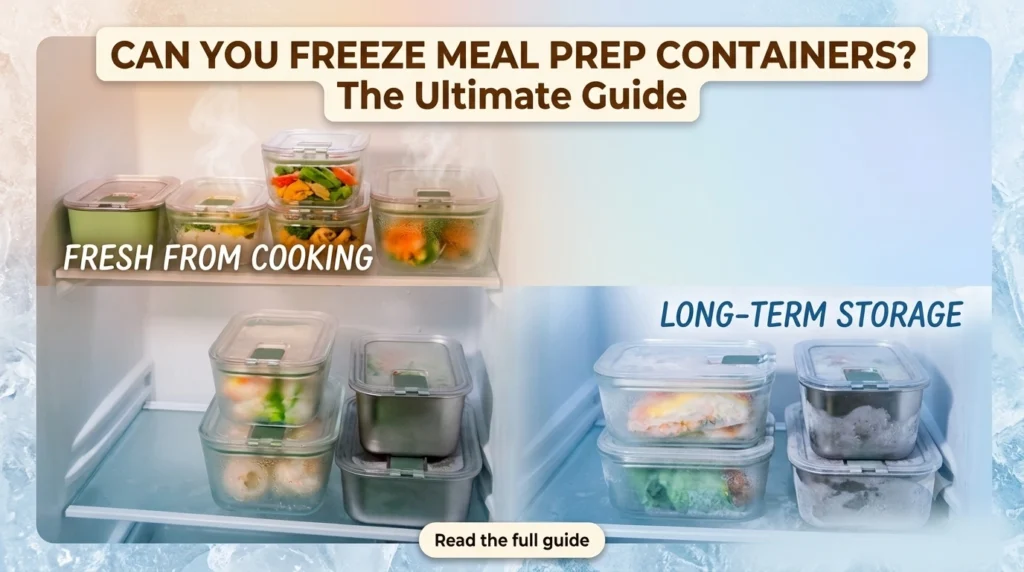
Naturally, your eyes turn to the freezer. But as you stand in front of your open freezer door, holding a stack of packed boxes, a crucial question pops up: Can you freeze meal prep containers?
The short answer is yes—but not all containers are created equal.
Freezing the wrong container can lead to cracked glass, brittle, shattered plastic, popped lids, or a sad case of freezer burn that ruins your hard-earned meals. In this comprehensive guide, we will break down every meal prep container material, teach you how to prevent thermal shock and freezer burn, highlight which foods freeze best, and introduce the highest-quality container solutions available today.
Why Freezing Meal Prep Changes the Game
While keeping meal prep in the refrigerator works for short-term planning (typically 3 to 4 days), the freezer acts as a pause button for your food. Freezing allows you to:
- Batch Cook for Weeks Ahead: Instead of eating chicken and broccoli five days in a row, you can prep 10 different meals, freeze them, and rotate your menu daily.
- Reduce Food Waste: Leftovers that won’t get eaten by Thursday can be frozen immediately, saving money and eliminating waste.
- Emergency Meal Reserve: Having a freezer stocked with healthy, homemade food stops you from ordering expensive, unhealthy takeout on exhausted weeknights.
However, freezing introduces physical stress to both your food and your containers. Sub-zero temperatures cause moisture to expand and turn inferior materials brittle. Understanding your containers is the first line of defense against kitchen disasters.
Container Material Breakdown: Which Ones Are Truly Freezer-Safe?
Before you stash your food away, let’s examine the physics and safety of common container materials in sub-zero environments.
1. Glass Meal Prep Containers
Glass is widely considered the gold standard for meal prepping because it is non-porous, chemical-free, doesn’t absorb food stains or odors, and seamlessly transitions from fridge to microwave or oven.
Can you freeze it? Yes, but with caution.
The Risk (Thermal Shock): Standard glass expands and contracts rapidly when exposed to sudden temperature changes. Putting a cold glass container into a hot oven, or hot food straight into a freezer-bound glass dish, causes thermal shock, which shatters the glass.
What to look for: Always choose High Borosilicate Glass (which contains boron trioxide and handles extreme temperature swings smoothly) or Tempered Glass labeled explicitly as Freezer-Safe.
2. Stainless Steel Containers
Stainless steel is gaining massive popularity among eco-conscious meal preppers who want an indestructible, plastic-free, lightweight alternative.
Can you freeze it? Yes!
The Risks & Benefits: Stainless steel handles sub-zero temperatures effortlessly and conducts cold rapidly, locking in freshness much faster than plastic. The main consideration is ensuring the lid provides an airtight seal.
What to look for: Look for premium food-grade stainless steel (like SUS 304) paired with airtight, leak-proof silicone seal lids.
3. Plastic Containers
Plastic containers are lightweight and inexpensive, making them a common choice. However, cheap, single-use, or thin plastic containers become extremely brittle at temperatures below 32℉, cracking easily when frozen. Always ensure any plastic used is BPA-Free Polypropylene (PP #5).
Premium Freezer Solutions by EasyLife Housewares
When it comes to freezing food safely without compromising health or quality, material craftsmanship makes all the difference. This is where EasyLife Housewares steps in as an industry leader.
Specializing in top-tier kitchenware and storage solutions, EasyLife Housewares designs and manufactures high-performance Borosilicate Glass and Food-Grade Stainless Steel meal prep containers engineered specifically to withstand extreme temperature environments.
- Airtight & Leak-Proof Engineering: Equipped with precision-molded silicone seals and heavy-duty locking latches, EasyLife containers lock out dry freezer air to eliminate freezer burn and keep food fresh for months.
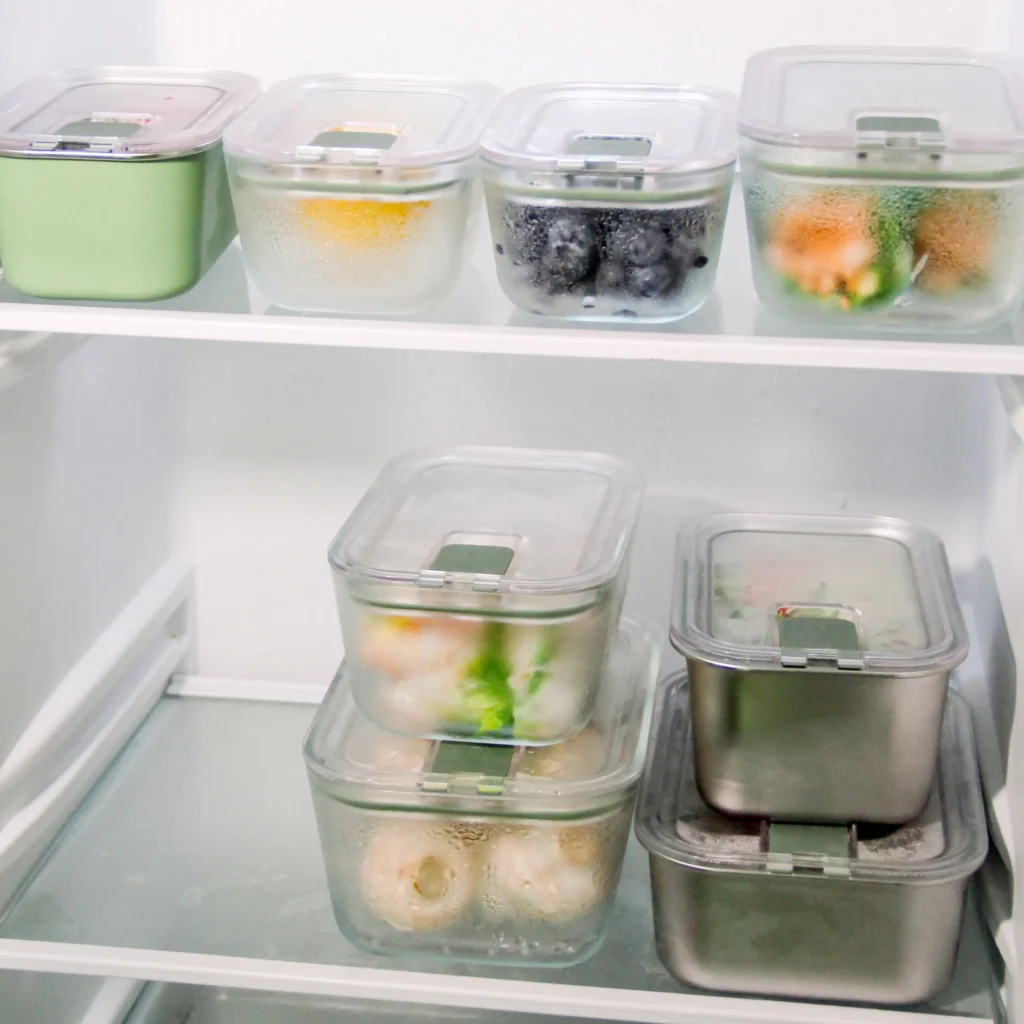
- Thermal-Shock Resistant Glass: EasyLife’s glass containers utilize premium borosilicate glass, allowing them to handle drastic temperature transitions safely from freezer to oven or microwave.
- Shatterproof Stainless Steel Series: For users seeking lightweight, unbreakable, non-toxic storage, EasyLife’s stainless steel lineup provides rapid cooling in the freezer while remaining 100% leak-proof.
For Brands & Retailers: Powerful OEM & ODM Capabilities
Beyond manufacturing consumer-favorite products, EasyLife Housewares is a trusted partner for global brands, importers, and retailers. With extensive OEM&ODM capabilities, EasyLife offers:
- Custom Product Design: From specialized multi-compartment layouts to custom ergonomic lids and colorways.
- Branding & Packaging: Tailored logo embossing, laser etching, and retail-ready eco-friendly packaging.
- Strict Quality Control: Certified food-safe manufacturing processes meeting rigorous international standards (FDA, LFGB, BPA-Free certifications).
Whether you are a meal prep enthusiast looking for reliable containers or a brand seeking a reliable manufacturing partner, EasyLife Housewares sets the benchmark for quality and innovation.
Comparison Table: Container Performance in the Freezer
4 Golden Rules to Freeze Meal Prep Without Ruining Food or Containers
Freezing meal prep requires more than putting a lid on a container and sliding it onto a shelf. Follow these four fundamental steps to protect your food’s flavor and keep your containers intact.
Rule 1: Always Leave “Headspace” for Expansion
Liquid expands when it turns into ice. When water freezes, its volume increases by roughly 9%.
If you fill any container all the way to the top with soup, stew, or cooked grains, the expanding food pushes directly against the lid and walls.
The Solution: Always leave 1/2 to 1 inch (2–3 cm) of space (known as “headspace”) between the top of the food and the rim of the container.
Rule 2: Cool Food Completely Before Freezing
Never put hot or warm food directly into the freezer. Doing so causes three major problems:
Thermal Shock: Placing a hot glass container into a freezing environment stresses the glass structure.
Ice Crystal Formation: Steam trapped inside condenses on the underside of the lid and turns into thick ice crystals that ruin food texture when thawed.
Freezer Temperature Spikes: Hot food raises the ambient temperature inside your freezer, potentially thawing adjacent items.
The Solution: Allow cooked meals to cool at room temperature for 30–45 minutes, then place them in the refrigerator for 1–2 hours before transferring them to the freezer.
Rule 3: Ensure an Airtight Seal to Combat Freezer Burn
Freezer burn occurs when cold, dry air comes into direct contact with the surface of your food, evaporating its moisture and leaving behind dry, leathery patches.
Always use high-quality containers—like those from EasyLife Housewares—that feature 4-latch locking systems and food-grade silicone gaskets to lock air out completely.
Rule 4: Master the Art of Safe Thawing
How you defrost your food is just as important as how you freeze it.
The Gold Standard (Fridge Thawing): Move your meal prep container from the freezer to the refrigerator 24 hours before you plan to eat it. This slow defrosting preserves food texture and completely eliminates thermal shock.
The Fast Method (Microwave Defrost): If you are in a hurry, unlatch the lid to vent steam. Use your microwave’s Defrost setting (30% power) in 2-minute intervals until the food is loosened, then heat normally.
What Foods Freeze Well (And What Foods Don’t)?
Even if you own the best freezer-safe container on the market, certain ingredients do not survive the freezing process.
Best Foods for Freezing
- Soups, Chili, & Stews: High moisture content preserves flavor exceptionally well.
- Cooked Meats: Braised beef, pulled pork, chicken breasts, and meatballs freeze cleanly in sauces.
- Grains & Pulses: Cooked brown rice, quinoa, lentils, and beans freeze and reheat quickly.
- Baked Casseroles: Lasagna, enchiladas, and pasta bakes freeze wonderfully.
Foods to AVOID Freezing
- High-Moisture Raw Veggies: Lettuce, cucumbers, and radishes lose their structure and thaw into unappetizing mush.
- Emulsified / Dairy-Based Sauces: Cream or mayonnaise-based sauces often split and curdle upon defrosting.
- Cooked Egg Whites: Hard-boiled egg whites become tough and rubbery when thawed.
FAQs
How long can you keep meal prep in the freezer?
For peak taste, texture, and nutritional value, aim to consume frozen meal prep within 1 to 3 months.
How do I know if my container is freezer-safe?
Flip the container upside down and inspect the bottom. Look for an embossed icon depicting snowflake crystals, a temperature range indicator, or text explicitly stating “Freezer Safe.”
Partner with EasyLife Housewares for custom meal prep container manufacturing
EasyLife Housewares offers comprehensive OEM and ODM services for businesses, private labels, and brand owners. From custom mold engineering and material selection to customized branding and packaging, EasyLife provides end-to-end manufacturing solutions.
Final Thoughts: The Perfect Freezing Strategy
Can you freeze meal prep containers? Yes, absolutely! Freezing meal prep is one of the smartest ways to save time, reduce food waste, and keep healthy meals ready on demand.
By investing in high-grade, freezer-safe containers—such as EasyLife Housewares’ premium borosilicate glass and stainless steel collections—and following proper freezing techniques, you can enjoy oven-fresh, delicious meals anytime without worrying about cracked glass or ruined food.