You’ve probably been told since childhood that putting metal in the microwave is a recipe for a localized lightning storm and a very expensive trip to the appliance store. But as you stare at that sleek stainless steel lunch box, you can’t help but wonder: Is it actually a death sentence for my kitchen, or just an old-school myth that’s been overblown?
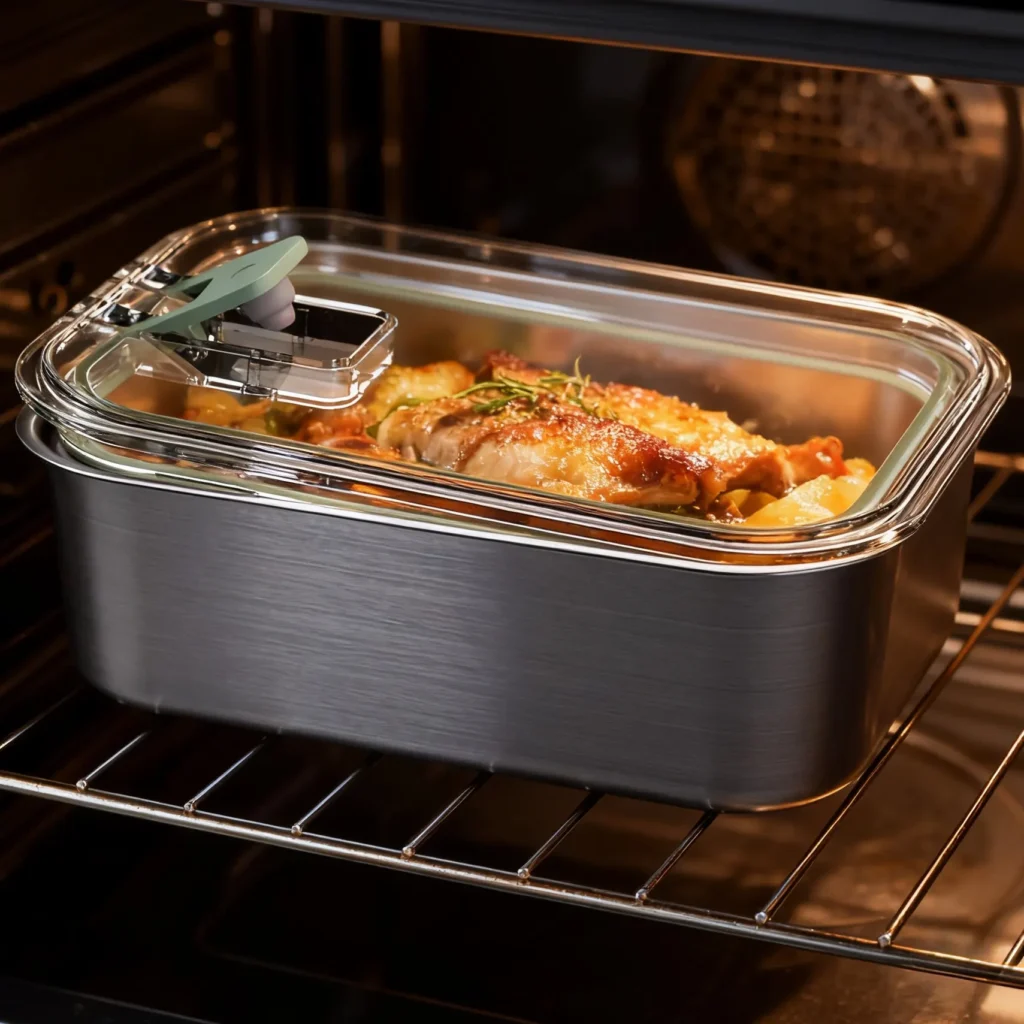
Can you microwave stainless steel? Let’s pull back the curtain on the science of ‘arcing’ and find out if stainless steel is a microwave friend or foe.
How Microwaves Actually Work
To understand why metal is the “bad boy” of the microwave world, we have to look at how the machine works. Your microwave uses a device called a magnetron to send out electromagnetic waves.
These waves are specifically tuned to make water molecules in your food wiggle back and forth. That wiggling creates friction, and friction creates heat.
- Glass, Plastic, and Ceramic: The waves pass right through these (mostly).
- Food: The waves are absorbed, heating your leftovers.
- Metal: The waves act like a tennis ball hitting a wall—they reflect.
What Happens When Stainless Steel Is Microwaved
It is easier to understand why stainless steel is generally discouraged when one knows what occurs when it is placed in a microwave. Stainless steel interacts with microwave energy in a number of problematic ways, in contrast to materials that are safe to use in microwaves.
Reflection of Microwave Energy
Food is heated by microwaves, which vibrate water molecules as they pass through it. However, this energy is not absorbed by stainless steel. It reflects microwave radiation instead. Microwaves cannot properly heat food when they are reflected back into the oven cavity, and they may also interfere with the microwave’s regular performance. This reflection lowers heating efficiency and interferes with the intended energy flow.
Risk of Sparks and Arcing
The possibility of sparks, or arcing, is one of the most obvious risks associated with microwaving stainless steel. When electrical currents accumulate on metal surfaces, particularly at sharp edges, thin rims, or uneven surfaces, arcing happens. These characteristics make stainless steel lids, forks, and containers more prone to sparking. These sparks can be frightening, have the potential to harm the microwave’s interior, and in difficult situations, may even ignite a fire.
Possible Damage to the Microwave Oven
The microwave oven itself may sustain damage from repeated exposure to arcing and reflected microwave energy. When radiation is reflected rather than absorbed by food, it might put strain on the magnetron, which produces microwave energy. This could eventually lead to the appliance malfunctioning or having a shorter lifespan. This risk is especially crucial to take into account because microwave repairs and replacements can be expensive.
Uneven Heating of Food
Stainless steel keeps food from heating evenly, even if it doesn’t spark right away. Food inside or underneath a stainless steel container may stay cold while exposed regions heat unevenly because the metal prevents microwave penetration. Because germs can survive in frigid environments, this inconsistent heating can have an impact on food safety and, more crucially, food quality.
Is Stainless Steel Ever Microwave-Safe?
Although using stainless steel in a microwave is generally not advised, there are a few exceptions that frequently lead to customer confusion.
Special Microwave-Safe Stainless Steel Containers
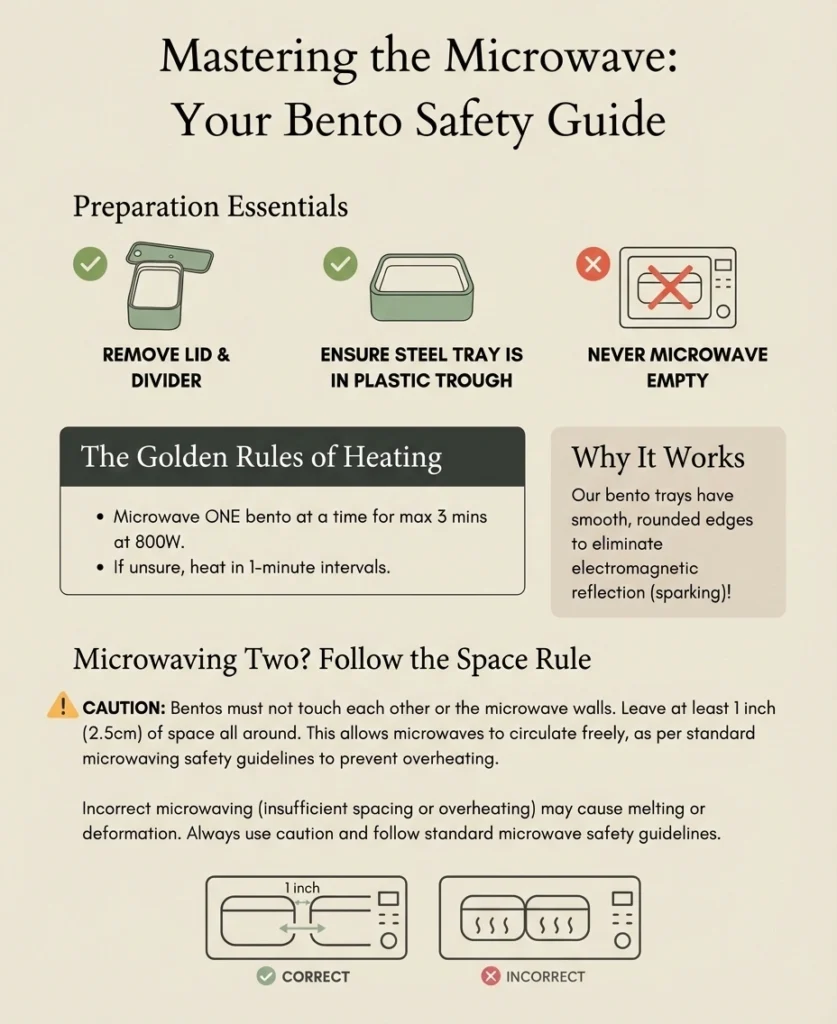
Microwave-safe stainless steel containers are produced by some manufacturers. Usually made for restricted microwave use, some products might only be safe in certain situations, such as low power settings or brief heating periods. Never assume that stainless steel is safe to use in a microwave without proper labeling.
Design Features That Reduce Risk
Special design features that lower the risk of arcing and reflection are frequently seen in stainless steel containers that are safe to use in microwaves. These could be larger metal walls, softened edges, or carefully designed designs that reduce sharp edges. Additionally, some designs use space or shielding to make it safer for microwaves to travel through metal. Nevertheless, these characteristics are rather particular and not present in typical stainless steel kitchenware.
Importance of Following Manufacturer Instructions
It is crucial to adhere precisely to the manufacturer’s recommendations if a stainless steel product is marked as microwave-safe. This could involve restrictions on the type of food, wattage level, or heating time. Sparks, damage, or uneven heating may still occur if these precautions are not followed. It is always safer to avoid using stainless steel in the microwave altogether if the instructions are unclear or missing.
Stainless Steel Products
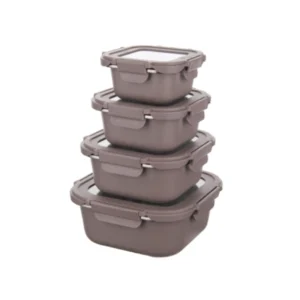
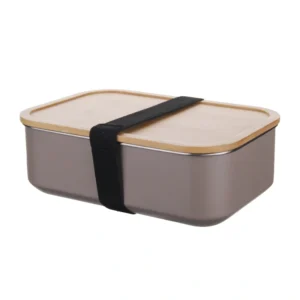
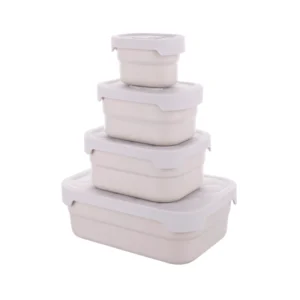
Safe Alternatives to Stainless Steel
There are numerous safer and more dependable substitutes for stainless steel that can be used in microwaves to mitigate the risks involved.
Glass and Ceramic Containers
Among the safest and most often suggested materials for microwave containers are glass and ceramic. They provide uniform heating of food by allowing microwave radiation to flow through. Although the majority of glazed ceramic dishes and heat-resistant glass are safe to use in the microwave, consumers should nevertheless inspect them for damage or cracks before using them. These supplies are perfect for baking basic microwave dishes, preparing leftovers, and reheating meals.
Microwave-Safe Plastics
Plastics that are safe to use in microwaves are made to resist heat without melting or releasing dangerous substances. Keep an eye out for containers that are clearly marked “microwave-safe.” Proper labeling is crucial because not all plastics are appropriate for use in microwaves. Microwave-safe plastics are readily accessible, lightweight, and convenient when used properly.
Paper-Based Covers
Great choices for covering food while it’s heating include paper towels, parchment paper, and specifically made microwave paper covers. They let the steam out while preventing splatters. However, because of the potential for chemical residues, they should never be used for extended cooking times or at extremely high temperatures. Additionally, recycled paper goods should be avoided.
Conclusion: Can You Microwave Stainless Steel
Can you microwave stainless steel then? The obvious answer is usually no. Because stainless steel reflects microwave radiation, it can cause damage to the microwave oven, raise the possibility of sparks and arcing, and cause food to heat unevenly. Although certain specially made stainless steel products might be marked as microwave-safe, this is more of an exception than the rule, and you should always use them carefully and in accordance with the manufacturer’s recommendations.
Safer options like glass, ceramic, microwave-safe plastics, and paper-based coverings are much more dependable for regular microwave cooking and reheating. In addition to protecting your microwave, using the proper container guarantees that food is heated safely and uniformly. When in doubt, it is always preferable to select materials made especially for microwave use rather than stainless steel.