Whether you are building a premium kitchenware brand, launching a private-label product line, or expanding your existing home organization collection, choosing the right manufacturing partner is one of the most important business decisions.
In today’s kitchenware industry, products such as food containers, storage canisters, spice jars, oil dispensers, seasoning bottles, and pantry organizers are increasingly developed through OEM and ODM partnerships. These manufacturing models allow brands to introduce innovative products more efficiently while maintaining high quality and competitive costs.
But what exactly is the difference between OEM and ODM? Which model is better for your business? And how can you choose the right manufacturing partner? Many startups pay a high price in the form of “tuition fees” simply because they cannot distinguish. Today, this comprehensive guide will dissect OEM and ODM from all angles and provide practical strategies for your business.
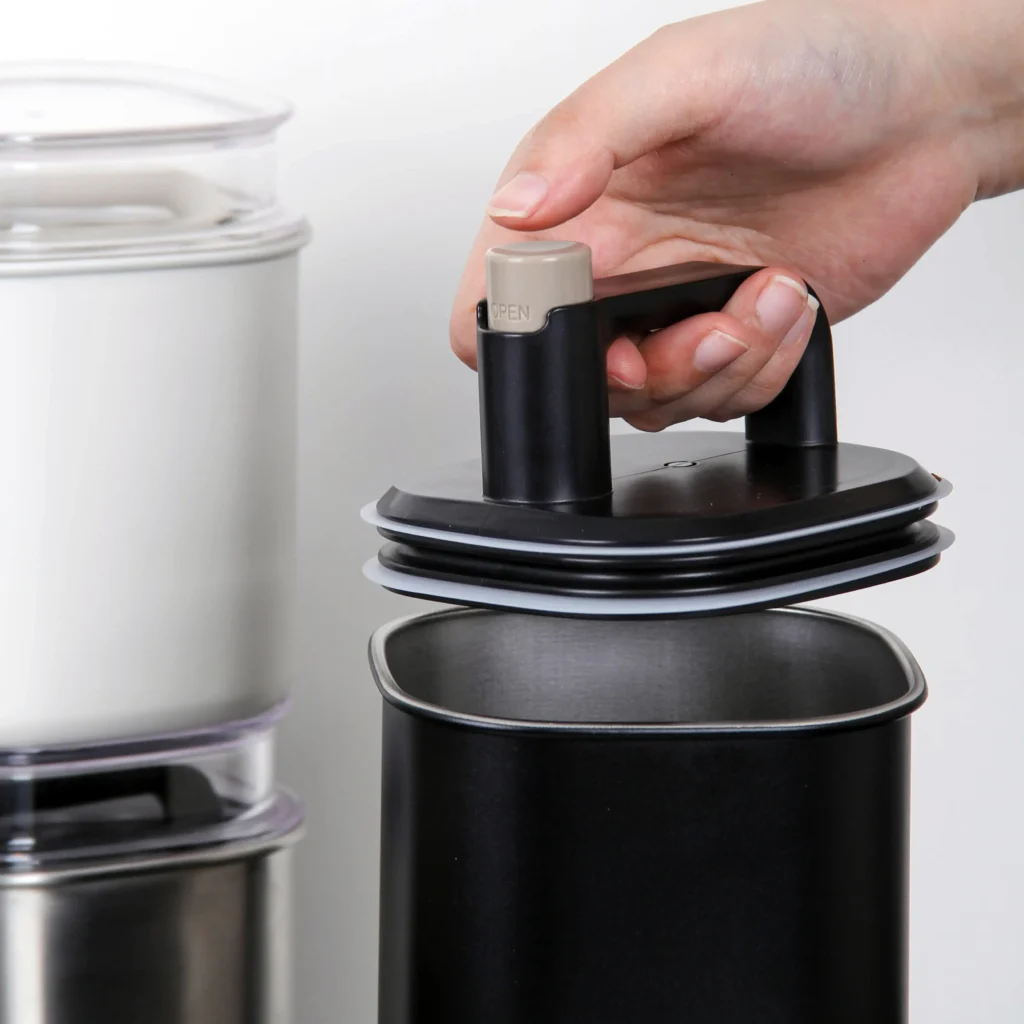
Tracing the Concepts: The Evolution from “Contract Manufacturing” to “White Labeling”
To understand these concepts, we must first return to the origins of the manufacturing industry.
OEM, which stands for Original Equipment Manufacturer, translates directly to “Original Equipment Manufacturer.” In a business context, it is commonly referred to as “contract manufacturing.” The core logic of this model is quite simple: the brand owner (Party A) possesses the core technology, design blueprints, and market channels. However, due to capacity constraints or cost considerations, they outsource the production process to a factory (Party B). The factory strictly manufactures the product according to the brand’s blueprints and standards, and the final product is sold under the brand’s trademark.
ODM, which stands for Original Design Manufacturer, is commonly known as “white labeling.” This takes the concept a step further than OEM. In the ODM model, the factory is responsible not only for production but also for the design and research and development (R&D) of the product. The brand owner either selects an existing design from the factory or provides a vague requirement, allowing the factory to handle the entire R&D process from concept to finished product, which is then sold under the brand’s trademark.
Core Differences: The Battle for Design Rights and Intellectual Property
The most fundamental difference between OEM and ODM lies in the ownership of “design rights” and “intellectual property (IP).”
In the OEM model, the brand owner is the absolute “brain.” They hold the core formulas, design patents, and manufacturing processes of the product. The factory acts more as an “executor” or a pair of “hands,” solely responsible for turning blueprints into physical goods. Under this model, the intellectual property of the product belongs entirely to the brand owner, and the factory cannot use the design for other clients. A classic example is the relationship between Apple and Foxconn: Apple designs the iPhone, and Foxconn handles the assembly, with the core technology firmly in Apple’s hands.
In contrast, in the ODM model, the factory acts as both the “brain and hands.” The factory possesses independent R&D capabilities and even has ready-made product solutions. To bring products to market quickly or reduce R&D costs, the brand owner directly purchases the factory’s design solutions. Here lies a crucial point of divergence: whether the intellectual property is bought out. If the brand owner buys out the design, the factory cannot sell it to anyone else; if not bought out, the factory can slap different brand logos on the same design and sell it to multiple clients. This is why we often see different brands of home appliances or digital products on the market that look and function almost identically.
The Game of Pros and Cons: Balancing Cost, Efficiency, and Risk
For brand owners, choosing between OEM and ODM is a strategic game involving cost, efficiency, and risk.
The advantage of OEM lies in its “high control” and “differentiation.” The brand owner can fully control product quality, create unique product features, and build a strong brand moat. However, the trade-off is high R&D investment and a longer development cycle. This model is suitable for leading brands with mature technologies that pursue the ultimate product experience.
The advantage of ODM, on the other hand, lies in its “high efficiency” and “low cost.” The brand owner does not need to build a massive R&D team or bear the huge upfront trial-and-error costs. They can simply “move in and start working,” quickly launching products to seize market share. This is highly attractive to startup brands or companies looking to rapidly expand their product lines. However, its disadvantages are also very obvious: severe product homogenization, a lack of core technological barriers, and a high susceptibility to falling into the quagmire of price wars.
Core Comparison Table: OEM vs. ODM at a Glance
To help everyone quickly clarify their thoughts in business decision-making, we have summarized the core differences between the two in the following table:
| Comparison Item | OEM | ODM |
|---|---|---|
| Product Design | Customer | Manufacturer |
| R&D Responsibility | Customer | Manufacturer |
| Engineering Resources | Customer-led | Manufacturer-led |
| Intellectual Property | Mostly owned by the customer | Often shared or manufacturer-owned |
| Development Time | Longer | Shorter |
| Initial Investment | Higher | Lower |
| Product Uniqueness | Very High | Medium to High |
| Manufacturing Flexibility | High | Medium |
| Production Risk | The customer bears more | Manufacturer bears more |
| Speed to Market | Moderate | Fast |
| Best for | Established brands | Startups & growing brands |
Industry Applications Studies: From Technology to Household Goods
To understand these models more intuitively, we can look at how different industries utilize them.
Consumer Electronics
The consumer electronics industry is driven by rapid innovation, short product life cycles, and constantly evolving consumer expectations. New technologies such as AI, IoT, wireless charging, and smart connectivity require continuous investment in research and engineering.
For technology companies with strong R&D capabilities, OEM manufacturing allows them to protect proprietary technologies while leveraging advanced manufacturing capacity for large-scale production.
ODM, however, enables startups and emerging brands to enter the electronics market more quickly. By utilizing mature product platforms developed by experienced manufacturers, companies can launch new products with lower development costs and shorter lead times.
In the electronics industry, choosing between OEM and ODM is often determined by a company’s technological capabilities, speed-to-market strategy, and product differentiation goals.
Kitchen Storage & Food Organization
Unlike consumer electronics, kitchen storage products focus less on technological innovation and more on functionality, aesthetics, and everyday usability. Consumers are increasingly looking for products that keep food fresh, organize kitchen spaces, and complement modern home interiors.
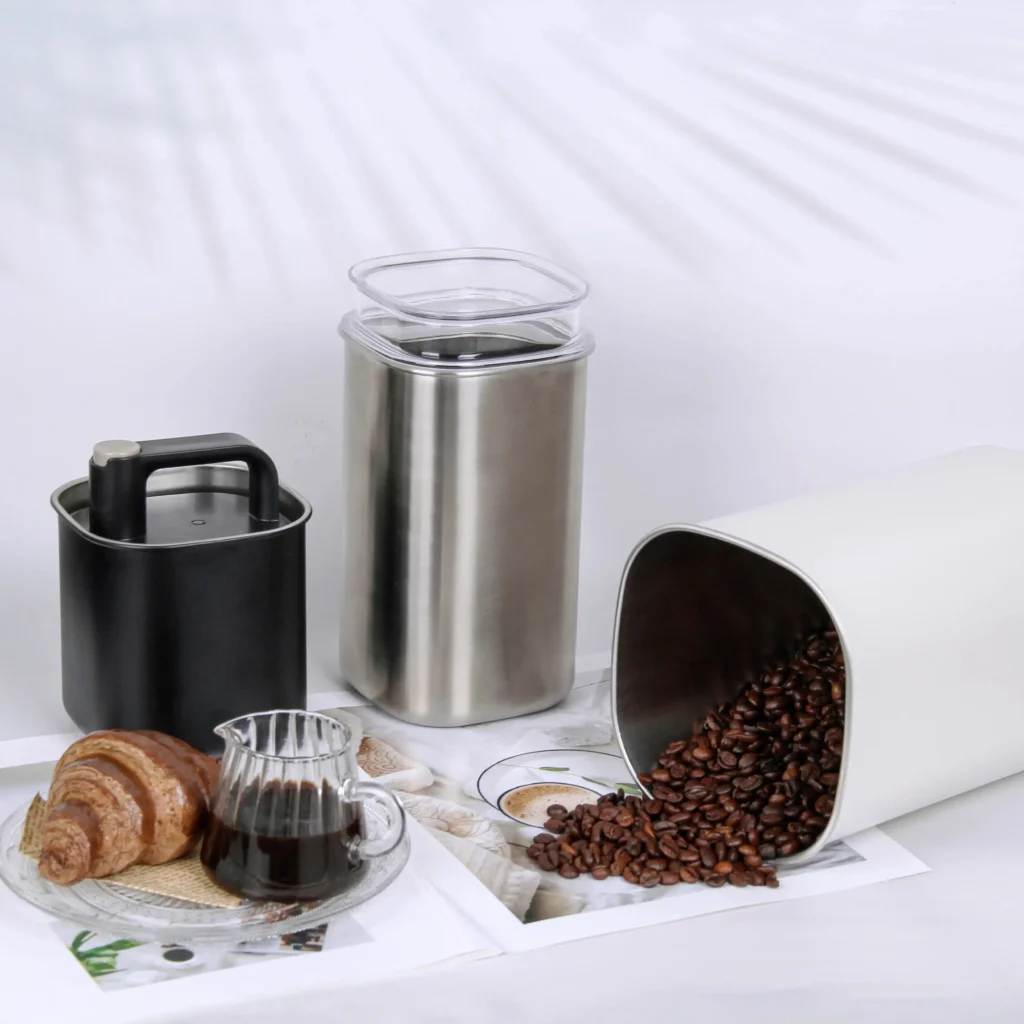
ODM manufacturers play an important role in this industry by continuously introducing new collections of food storage containers, glass jars, spice organizers, oil dispensers, cereal containers, and pantry storage solutions. Instead of developing every product from scratch, brands can quickly build complete product lines by selecting existing designs and customizing colors, materials, capacities, packaging, and branding.
OEM manufacturing, on the other hand, is commonly chosen by established homeware brands that require exclusive product structures, patented sealing mechanisms, or customized kitchen organization systems. These companies use OEM partnerships to transform their proprietary concepts into high-quality products while maintaining complete control over design and intellectual property.
As consumer lifestyles continue to evolve, manufacturers are also incorporating sustainable materials, stackable designs, modular storage systems, and BPA-free food-grade plastics into new product development. This enables brands to respond quickly to market trends while offering practical and attractive kitchen storage solutions.
Future Trends: Blurring Boundaries and Joint Innovation
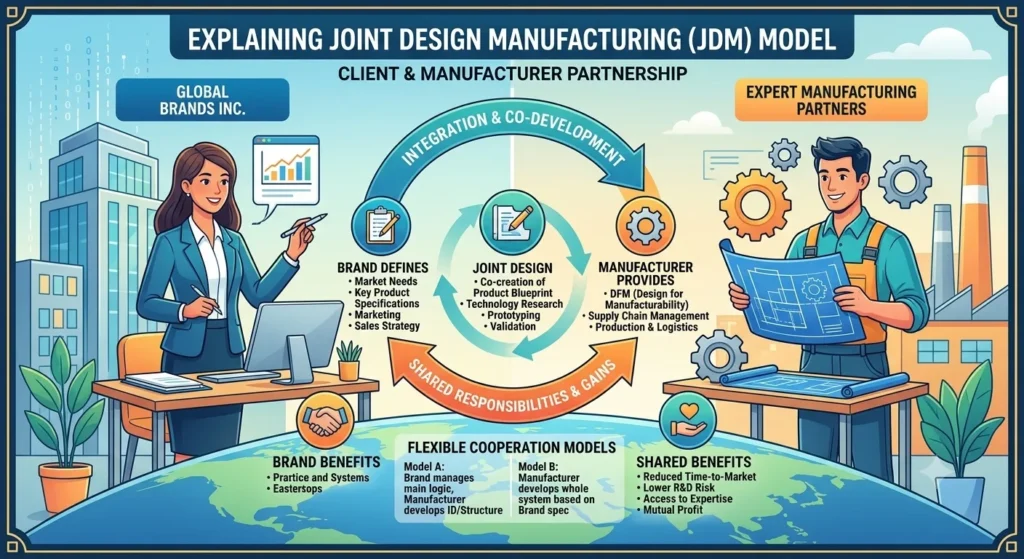
It is worth noting that as market competition intensifies, the boundaries between OEM and ODM are gradually blurring. A new model known as JDM (Joint Design Manufacturer) is emerging. In this model, the brand owner and the factory are no longer in a simple client-contractor relationship but are deeply integrated, jointly investing in R&D resources, sharing risks, and sharing profits.
In conclusion, there is no absolute superiority or inferiority between OEM and ODM; it is purely a matter of suitability. For brand owners, the choice of model depends on their own resource endowments and strategic goals. For manufacturers, how to accumulate technology through contract manufacturing and ultimately achieve a brand breakthrough remains an eternal topic. By understanding the differences between the two, we can more clearly comprehend the operational logic behind modern business.
Business Decision Guide: How Should You Choose?
When selecting an OEM or ODM partner, industry specialization matters.
Manufacturers with extensive experience in kitchen storage products understand food-grade material requirements, airtight sealing technologies, injection molding processes, packaging optimization, and global market preferences.
An experienced kitchen storage manufacturer can also recommend new product ideas, optimize production costs, and help brands develop complete product collections rather than individual products.
Choose OEM If…
OEM manufacturing is the ideal choice for companies that already have a clear product vision and strong technical capabilities.
You should consider OEM if your company:
- Has an experienced product development or engineering team.
- Owns proprietary technologies, patents, or unique product designs.
- Wants to create highly differentiated products that cannot be easily copied.
- Requires full control over product specifications, materials, and manufacturing processes.
- Plans to build a premium brand with exclusive products.
OEM allows businesses to transform original ideas into commercial products while maintaining complete ownership of their intellectual property and brand identity.
Choose ODM If…
ODM manufacturing is particularly suitable for businesses looking to reduce development time and investment while entering the market quickly.
ODM is a good option if your company:
- Is launching a new brand or entering a new product category.
- Does not have an internal R&D or engineering team.
- Wants to minimize development risks and upfront investment.
- Needs to respond quickly to changing market trends.
- Plans to build a product portfolio in a short period of time.
By leveraging the manufacturer’s existing product platforms, businesses can focus more on branding, sales, and customer acquisition instead of product engineering.
Partner Selection: The Strategies for Identifying a Reliable OEM/ODM Manufacturer
Selecting the right manufacturing partner is just as important as choosing between OEM and ODM. A reliable supplier should not only have strong production capabilities but also provide long-term value through innovation, quality management, and responsive customer service.
1. Product Development Capability
A qualified manufacturer should have a professional R&D team capable of developing new products, improving existing designs, and adapting products to different market requirements.
2. Manufacturing Experience
Years of manufacturing experience often translate into better production efficiency, process control, and problem-solving capabilities.
3. Quality Management System
Reliable manufacturers should implement strict quality control procedures throughout the entire production process—from raw material inspection to final product testing.
4. Customization Capability
Every market has different customer preferences. A strong manufacturing partner should be able to customize products in terms of design, materials, colors, packaging, branding, and functionality.
5. Supply Chain Stability
A stable supply chain ensures consistent product quality, reliable lead times, and the ability to scale production during peak seasons.
6. Communication and Technical Support
Effective communication is essential throughout the entire cooperation process. Manufacturers should provide timely project updates, technical support, and after-sales service to ensure smooth collaboration.
From Theory to Practice: Breaking Through in the Kitchen Storage Sector
Understanding the underlying logic of OEM and ODM, let us shift our focus to the highly promising kitchen storage sector. With modern households increasingly demanding better space utilization and food preservation, high-frequency items like food storage jars, spice bottles, oil dispensers, and fresh-keeping boxes are facing massive market opportunities. In this sector, whether you are a premium brand aiming for ultimate differentiation or a startup team pursuing rapid market penetration, choosing the right manufacturing partner is crucial.
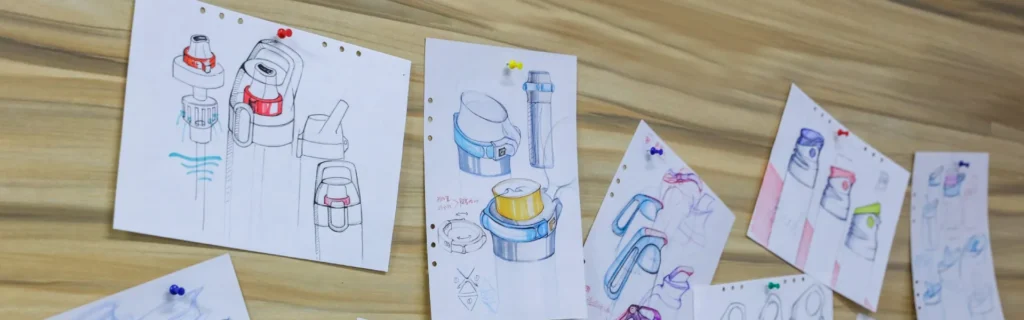
Easylife as a source factory deeply rooted in the kitchen storage industry, we possess robust OEM capabilities, strictly following your blueprints and process standards to perfectly realize premium materials like stainless steel, glass, or eco-friendly plastics. Meanwhile, our mature ODM R&D team continuously rolls out innovative designs that combine ergonomics, high aesthetics, and practicality. Whether you need an exclusively customized hit product or wish to directly procure mature, ready-made solutions, we can provide comprehensive, one-stop supply chain support from concept to finished product.