In the kitchenware industry, glassware remains a high-turnover category with consistent profit margins. However, because glass is inherently susceptible to physical and thermal stress, shrinkage from damage during warehousing, transit, and retail display can silently erode profitability. For B2B buyers, retail managers, and distributors, implementing systematic care protocols protects inventory investment and minimizes return rates.
Understanding Glassware Materials & Damage Mechanics
To mitigate inventory loss, warehouse and retail teams must understand how different glass compositions behave under operational stress:
Soda-Lime Glass: The standard material for everyday food containers and drinkware. Highly economical, but requires careful handling due to lower resistance to rapid temperature changes.
Borosilicate Glass: Formulated with boron trioxide, this material boasts superior thermal shock resistance, making it ideal for premium glass food storage sets and bakeable containers.
Tempered Glass: Heat-treated glass engineered for high mechanical strength. While highly impact-resistant, surface scratches can compromise structural integrity over time.
Primary Causes of Inventory Loss:
Mechanical Shock: Contact damage caused by improper stacking or rough handling, leading to micro-fractures along rims and base edges.
Thermal Shock: Rapid temperature fluctuations that create internal tension, resulting in stress cracks during cleaning or environmental transitions.
Chemical Etching: Harsh commercial detergents or hard water buildup causing permanent surface cloudiness and dulling visual appeal.
Warehouse & Handling Protocols to Prevent Inventory Damage
A significant portion of product damage occurs before glass products ever reach the retail shelf. Simple operational adjustments drastically reduce shrinkage:
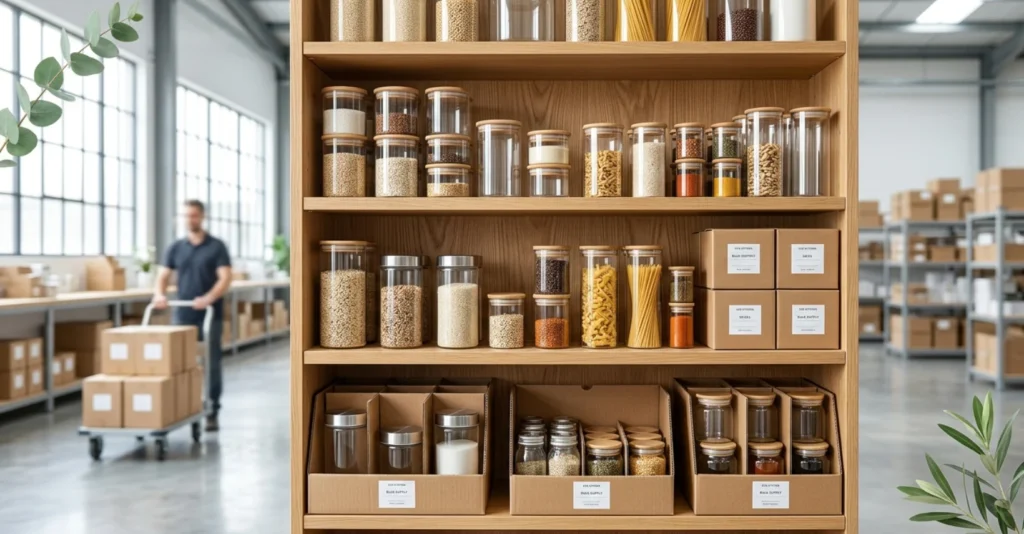
- Eliminate Direct Glass-on-Glass Friction: Never stack un-nested glass items directly on top of each other without protective corrugated dividers or foam interleaving.
- Acclimate Temperature Variations: Avoid moving cold inventory straight from unconditioned warehouses into hot washing or display environments; allow temperature equilibrium to prevent thermal shock.
- Implement Controlled Display Guidelines: Train retail staff to leave clear spacing between displayed items, avoiding rim contact when consumers browse shelves.
Washing & Maintenance Best Practices for Showroom Display
Maintaining crystal-clear inventory is essential for driving point-of-purchase sales:
- Use Water-Conditioned Washing: High mineral content causes limescale deposits and cloudiness. Utilize water softeners in commercial cleaning systems to preserve pristine surface transparency.
- Select Mild, Low-Alkaline Detergents: Strong industrial chemicals accelerate surface etching. Opt for neutral pH detergents to safeguard clarity and glass longevity.
- Utilize Microfiber Drying Standards: Avoid abrasive cloths or air-drying that leaves mineral spots. Microfiber towels effectively polish surfaces without leaving scratches or lint behind.
EasyLife Housewares: Built for Industrial Durability
At EasyLife Housewares, product design extends beyond aesthetics to encompass long-term structural resilience. We integrate commercial-grade durability into our glass product lines:
- Thermal-Shock Resistant Formulations: Our high-grade borosilicate glass storage sets withstand drastic temperature differentials, safeguarding products across freezer-to-oven applications.
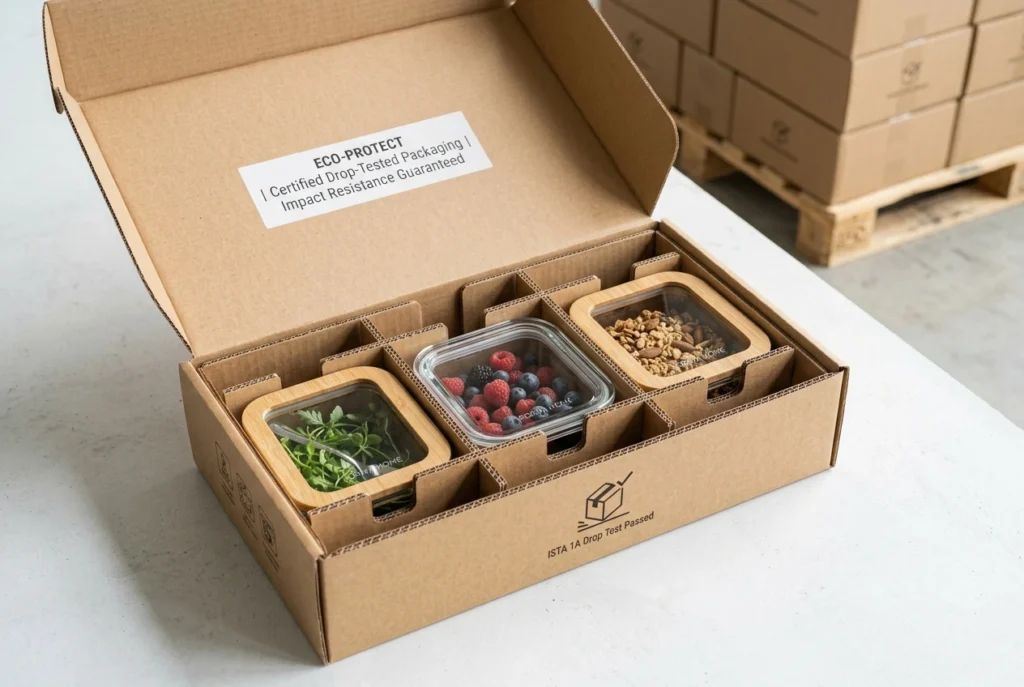
- Rigorously Tested Packaging Integration: Every EasyLife glass collection is paired with protective packaging—from wrap-around card sleeves to custom drop-tested boxes—reducing warehouse and shipping breakages by up to 70%.
- Dedicated Quality Assurance Support: With over a decade of industry expertise, our team provides technical specifications, handling guidelines, and customized OEM/ODM structural solutions to support our wholesale partners.
Conclusion
Preserving glassware inventory is a strategic business decision that directly impacts bottom-line profitability. By adopting proper handling practices, controlling environmental conditions, and selecting high-durability products, distributors and retailers can significantly extend product lifespan, eliminate transit loss, and deliver exceptional quality to end consumers. EasyLife Housewares remains committed to delivering engineered glass solutions supported by robust supply chain packaging that protects your investment from factory to shelf.