If you love home canning, you already know how important clean jars are — but what about the lids? Sanitizing mason jar lids is one of the most essential (and often overlooked) steps in safe food preservation. Whether you’re storing homemade jam, pickles, or sauces, proper sanitation helps prevent contamination and keeps your food fresh for months.
In this guide, we’ll walk through why and how do you sanitize mason jars lids correctly, the best methods to use, and a few expert tips to help you look like a pro. (You can learn more about home canning safety from The National Center for Home Food Preservation.)
Why Sanitizing Mason Jar Lids Matters
Even if your jars and lids look clean, invisible bacteria, yeast, or mold spores can still be present. When you fill and seal your jars, any lingering microbes can grow over time, spoiling your food and potentially making it unsafe to eat.
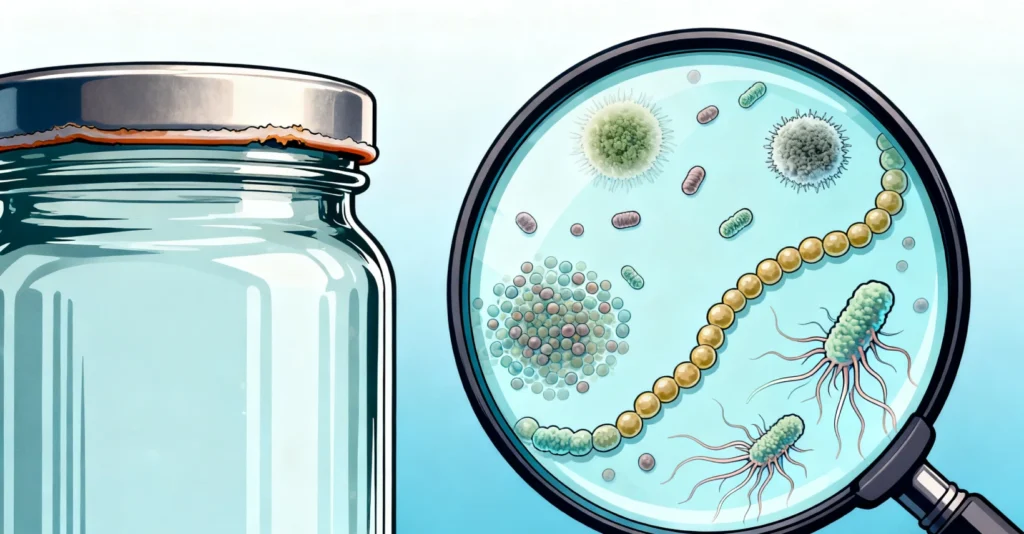
Sanitizing mason jars ensures:
- A secure, airtight seal for long-term storage
- Reduced risk of spoilage or contamination
- Better food quality and safety throughout the shelf life
Whether you’re a seasoned canner or a beginner, taking a few extra minutes to sanitize mason jars can make all the difference in preserving your homemade creations safely.
Understanding Mason Jar Lids
Before you start, it helps to know what you’re working with. A traditional mason jar consists of three parts:
- The jar – usually glass, reusable, and designed for high heat.
- The lid – a flat metal disc with a sealing compound around the edge.
- The band or ring – the screw-on piece that holds the lid in place during processing.
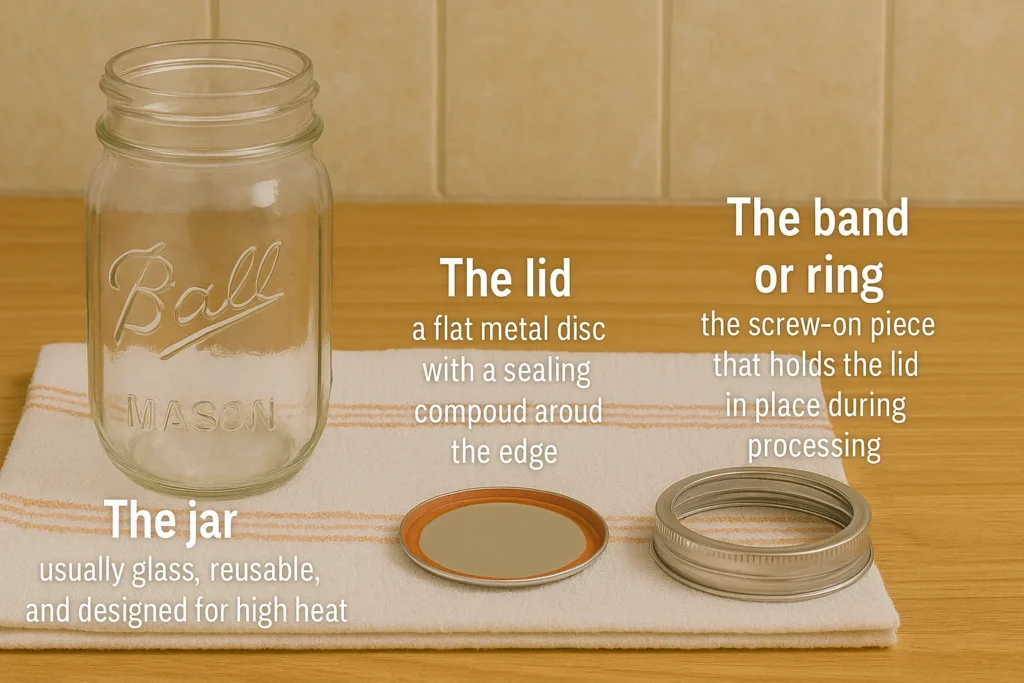
For safe canning, both the jar and the lid should be clean and sanitized. The ring doesn’t need sterilizing since it doesn’t come into contact with food and can be washed as usual.
Keep in mind that most modern mason jar lids are designed for single use when it comes to vacuum sealing. If you’re using reusable lids, check the manufacturer’s care instructions before sanitizing.
About EasyLife Housewares Mason Jars
At EasyLife Housewares, we believe that quality and safety go hand in hand. Our wholesale mason jars are built with durability and convenience in mind — perfect for canning, storage, or packaging handmade goods.
We also offer customization options, allowing you to tailor your jars to your brand or personal taste. You can choose your lid color, print your logo, or even adjust the jar size to match your product line. Whether you’re packaging homemade jams for sale or gifting preserved fruits to family and friends, EasyLife Housewares mason jars give you both reliability and a professional look.


Explore our customizable options to make every jar truly yours — clean, safe, and stylish.
How Do You Sanitize Mason Jars Lids: Step-by-Step
There are a few safe and simple ways to sanitize your mason jar lids. Let’s go over the most common and effective methods.
1. Wash Before Sanitizing
Start by washing your lids in warm, soapy water.
- Use a gentle sponge or cloth to remove any dirt, dust, or residue.
- Rinse thoroughly with clean water.
- This removes surface grime so your sanitation process is more effective.
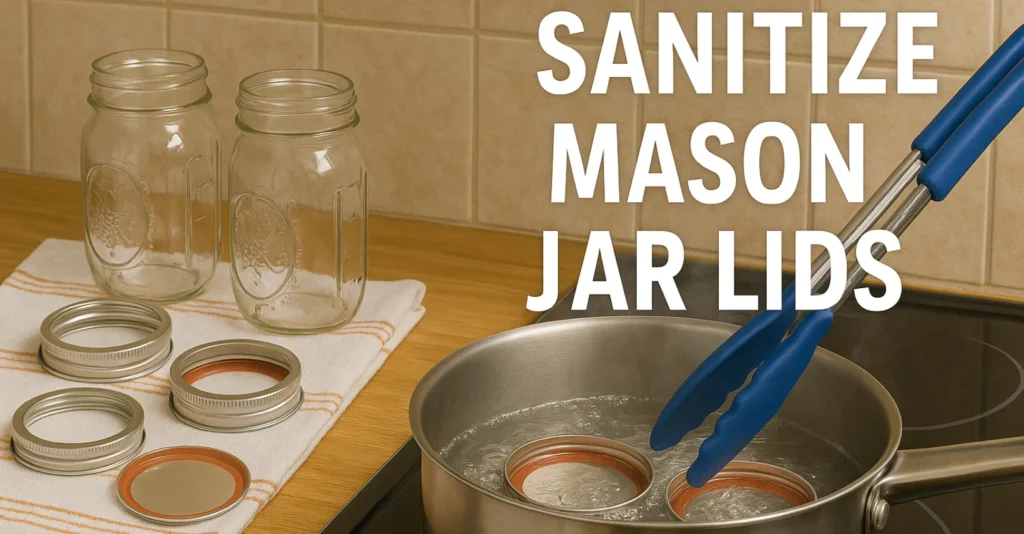
2. Hot Water Method (Recommended)
This is the traditional and most reliable way to sanitize lids.
- Place the lids in a pot of hot water (around 180°F / 82°C).
- Keep them submerged for 10 minutes, but do not boil — boiling can damage the rubber sealing compound.
- Keep the lids in the hot water until you’re ready to place them on your jars.
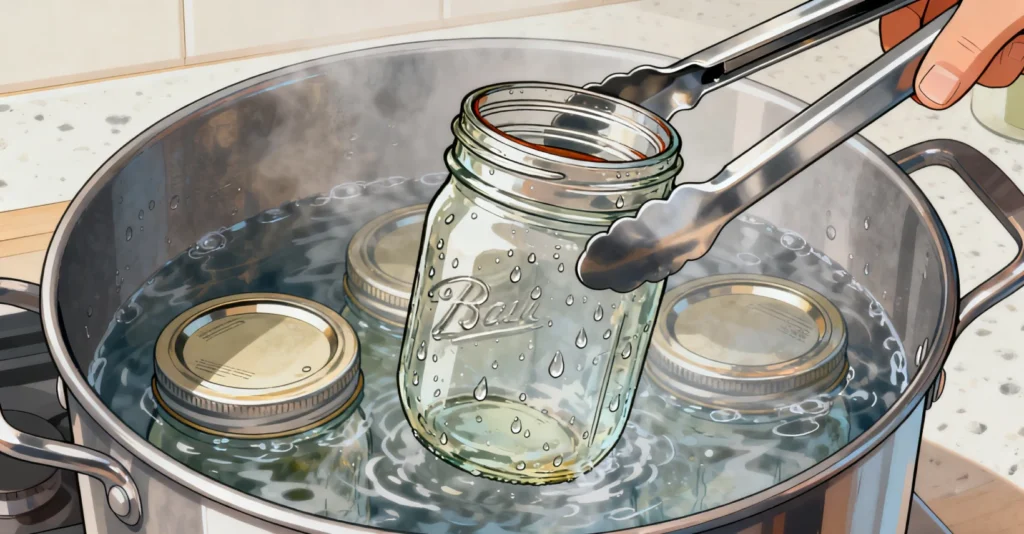
This method keeps the sealing compound soft and helps ensure a tight, even seal during canning.
3. Dishwasher Sanitizing Option
If your dishwasher has a sanitize cycle, you can use that instead.
- Arrange lids so they don’t overlap.
- Run them through a full cycle with the sanitize setting on.
- Allow them to air dry completely before use.
This is a convenient method for large batches, but always check the manufacturer’s care instructions before exposing reusable lids to high heat.
4. Oven or Dry Heat Method (Optional)
Some canners prefer a dry heat approach:
- Preheat your oven to 250°F (121°C).
- Place lids on a clean baking sheet and heat for 10–15 minutes.
- Allow to cool slightly before handling.
Note: Only use this method if the manufacturer specifically approves it. Not all lids are designed for dry heat.
5. Steam Sanitization
(using a steam canner or steamer)
- Steam lids for 10 minutes
Works well without immersing lids in water.
6. Pressure Cooker / Instant Pot Steam Cycle
- Add 1–2 cups water + trivet
- Steam for 5 minutes
Fast and highly effective — similar to commercial sterilization.
7. Chemical Sanitizing Solutions
(Commercial food-grade sanitizers or mild bleach)
- Use 1 tbsp of bleach per gallon of water
- Soak for 2 minutes
- Rinse thoroughly afterward
Great for high-volume canning stations.
8. UV Light Sanitizing (Commercial Option)
- Place in the UV sterilizer box
- Run 5–10 minutes
No water, no chemicals — ideal for businesses.
9. Microwave Sanitizing
Plastic & silicone lids ONLY — never metal.
- Submerge in water
- Microwave until water boils (2–3 min)
Useful for reusable non-metal lids.
10. Vinegar Rinse (Pre-Sanitize Boost)
- Dip lids 30 seconds in vinegar + water
- Rinse, then sanitize with heat
Helps remove mineral buildup & improve sealing.
Common Mistakes to Avoid
Even experienced canners make small mistakes that can affect their results. Here’s what to watch out for:
- Boiling lids at full rolling boil — this can warp or weaken the sealing compound.
- Touching sanitized lids with bare hands before sealing. Use clean tongs or a magnetic lid lifter instead.
- Reusing single-use lids for vacuum sealing — this can lead to seal failure.
Expert Tips for the Best Results
- Sanitize right before you start canning, not hours in advance.
- Inspect each lid for rust, dents, or deformed seals before use.
- Keep sanitized lids in a clean, covered container until needed.
- For commercial or gifting use, pair clean lids with high-quality, food-safe jars like those from EasyLife Housewares for consistent results.
FAQs About Sanitizing Mason Jar Lids
Do I need to sanitize brand-new lids?
Yes. Even new lids can collect dust or factory residue. A quick sanitization ensures they’re food-safe.
Can I reuse mason jar lids?
Single-use canning lids are not designed for reuse when vacuum sealing, but you can reuse them for dry storage or craft projects.
Is sanitizing still necessary for pressure canning?
If you’re pressure canning foods that will be processed for more than 10 minutes, sterilizing isn’t strictly necessary — but starting with clean, sanitized lids is still best practice.
Conclusion
You probably now understand exactly how to sanitize mason jars. Sanitizing your mason jar lids is a simple but vital step in keeping your home-canned goods safe, delicious, and long-lasting. With the right technique and a little care, you can ensure every jar seals perfectly and stays fresh on the shelf.
And when you’re ready to upgrade your canning setup, EasyLife Housewares offers high-quality, customizable mason jars that make food preservation easy, safe, and beautifully presented. From personalized lids to logo-printed jars, we help you create packaging that’s both practical and professional.