You invest in a bag of premium, artisan-roasted beans, anticipating that rich, soul-warming aroma, only to be met with a flat, dull flavor a few weeks later.
If you are a coffee lover, you know that the “best before” date on the bag is a suggestion, but freshness is a science. While whole beans stay fresh longer than ground coffee, the clock starts ticking the moment they leave the roaster. But how long will coffee beans last in airtight container?
In this guide, we’ll break down the lifespan of your beans and why the container you choose is the most important decision you’ll make for your daily ritual.
How Long Will Coffee Beans Last in Airtight Container?
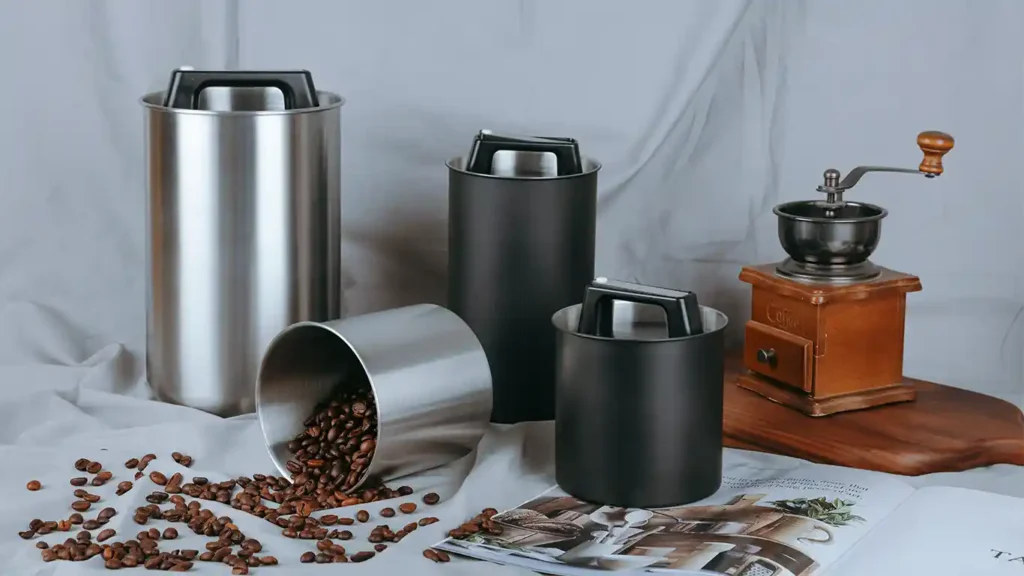
Whole coffee beans stay at “peak flavor” for about 2 to 4 weeks after roasting. However, when stored in a professional-grade airtight container, you can extend that window of excellence to 8 weeks or more before the flavor profile begins to noticeably flatten.
Ground coffee has a much shorter peak window because the increased surface area accelerates oxidation. Typically, ground coffee stays at “peak flavor” for only 20 to 30 minutes after grinding if left exposed, and about 3 to 7 days if kept in its original opened bag. However, by using a professional-grade airtight vacuum container, you can protect those volatile aromatics and extend that window of freshness to about 2 weeks, ensuring your morning cup still retains its body and character rather than tasting flat or stale.
Factors That Affect Coffee Freshness
To protect your beans, you have to understand the elements working against them. Whole beans have a natural “shell,” but they are still vulnerable to the “Four Villains”:
- Oxygen (Oxidation): The primary enemy. Exposure to air leaches the aromatic oils out of the bean, turning a complex flavor profile into something stale and bitter.
- Moisture: Coffee beans are porous and “hygroscopic.” They absorb moisture from the air, which can cause the beans to degrade or even develop mold.
- Light (UV Rays): Sunlight triggers a process called photodegradation, which breaks down the fats and vitamins within the bean, destroying the flavor.
- Heat: Warm environments accelerate the “off-gassing” of CO2, causing the beans to lose their freshness at double the speed.
Coffee Bean Storage Best Practices
To keep your beans tasting like they were roasted yesterday, follow these professional tips:
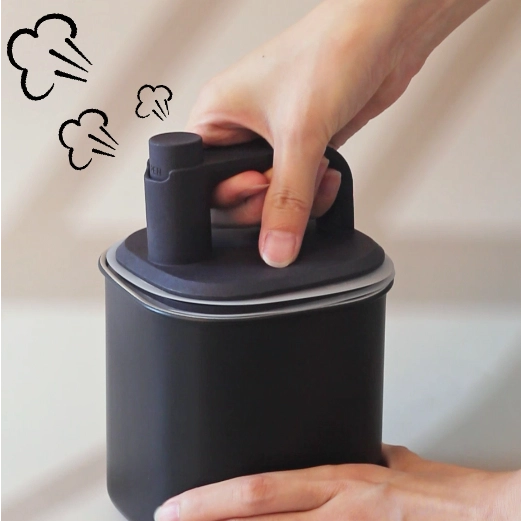
Use a Vacuum Storage Container: Standard airtight lids trap the air that is already inside the jar with your beans. A vacuum storage container goes a step further by actively displacing or pumping out that excess air. By removing the oxygen trapped in the “dead space” of the jar, you significantly slow down the oxidation process.
Use an Airtight Seal: A simple clip on a bag isn’t enough. Our canisters feature a mechanical seal that locks out the air entirely.
Avoid the Fridge at All Costs: This is the most common mistake! Fridges are humid and full of food odors. Moving beans in and out causes condensation to form on the surface of the beans, which literally “cooks” the flavor out of them.
Store in a Cool, Dark Place: Keep your canisters away from the oven, stove, or any direct heat sources.
The “Degassing” Secret: Freshly roasted beans release CO2. Our canisters are designed to manage this gas while preventing oxygen from entering, ensuring the beans don’t “stifle” in their own gases.
Grind Only What You Need: Keep the beans in their whole form until the very moment you are ready to brew. This preserves the surface area and keeps the flavor locked inside the bean.
Why Container’s Material Matters: Glass vs. Stainless Steel
When it comes to preserving the delicate oils and aromatics of ground coffee, not all containers are created equal. Plastic containers are often porous and can leach chemicals or “ghost” flavors from previous roasts.
For the true connoisseur, we recommend only two materials: Professional-Grade Glass and Food-Grade Stainless Steel. Here is why each one earns a spot in your kitchen.
1. The Case for Stainless Steel: The “Vault” for Your Beans
Stainless steel is the gold standard for coffee purists, particularly for those who store their coffee on open shelving or countertops.
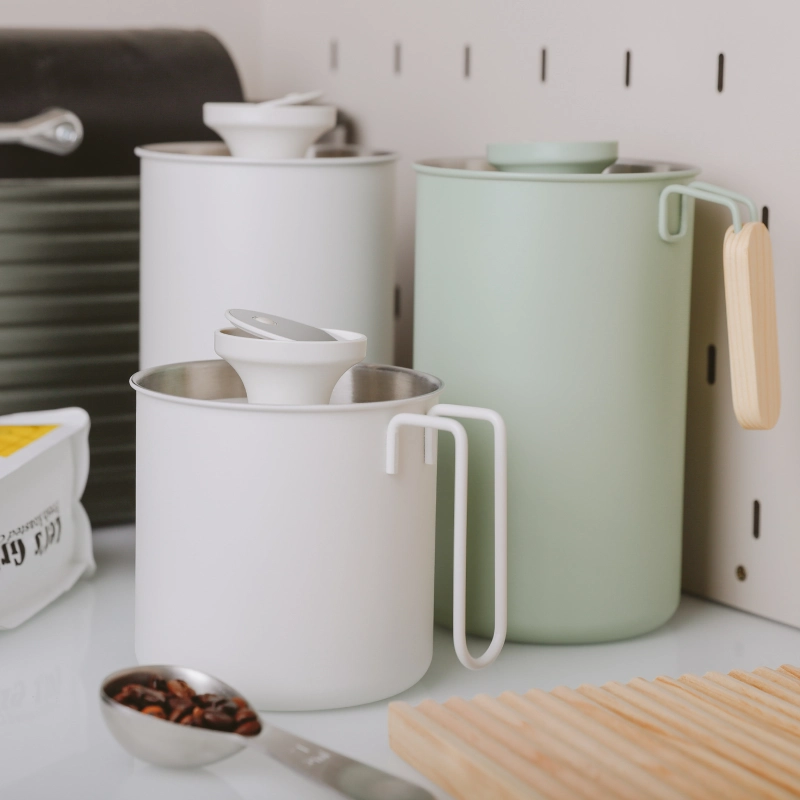
- Total Light Block: Coffee is photosensitive. UV rays can degrade the lipids in coffee grounds in a matter of days. Our stainless steel canisters act as a “blackout vault,” ensuring your coffee stays in total darkness.
- Durability for High-Traffic Kitchens: Stainless steel is virtually indestructible. For wholesale clients and busy cafes, these canisters withstand drops and heavy daily use without cracking.
- Temperature Stability: Metal provides a thermal barrier that helps mitigate minor temperature fluctuations in the kitchen.
- Zero Flavor Transfer: High-quality, food-grade stainless steel is non-reactive, meaning it won’t impart a metallic taste or absorb the oils from a dark French Roast.
2. The Case for Glass: Purity and Aesthetics
If you store your coffee inside a pantry or cabinet, borosilicate glass offers a level of purity that is hard to beat.
- Non-Porous Surface: Glass is the most “inert” material available. It provides a 100% clean environment, ensuring that the only thing you smell when you open the lid is the coffee itself.
- Visual Inventory Management: From a practical standpoint, glass allows you to see exactly how much coffee you have left at a glance. You’ll never start a morning brew only to realize you’ve run out.
- Borosilicate Strength: We use high-quality borosilicate glass, which is much more resistant to thermal shock and “clouding” than standard soda-lime glass.
- Modern Elegance: There is a psychological component to the coffee ritual. Seeing the rich texture and color of the grounds through a sleek, airtight glass jar elevates the brewing experience.

Which should you choose?
Choose Stainless Steel if your coffee sits on a sunny countertop or if you prioritize maximum durability.
Choose Glass if you store your coffee in a dark cupboard and value the aesthetic beauty and absolute flavor purity of your roast.
FAQ
Can I freeze coffee beans?
Yes, but only for long-term storage (1 month+). The beans must be in a vacuum-sealed container and should be thawed completely before opening to prevent moisture from condensing on the cold beans.
How do I know if my beans are stale?
If the beans look dry and dull (no oils) and have lost their intense aroma, they are likely past their prime. If they smell like “old peanuts” or musty wood, it’s time for a new batch.
Can I freeze ground coffee?
Technically, yes, but only if it is in a vacuum-sealed, unopened bag. Once opened, freezing introduces moisture that damages the flavor.
Can you vacuum seal coffee grounds?
Yes, you can vacuum seal coffee grounds, and it is highly recommended to preserve their flavor. Using a vacuum storage canister is superior to bags, as it removes the oxygen that causes staleness without sucking fine particles into the pump. This process effectively locks in the delicate oils and aromatics, extending the “peak freshness” of your grounds for up to two weeks.
Conclusion
Your coffee beans and grounds are an investment in your daily happiness, and the way you store them is the final step in the roasting process. While you can’t stop time, you can certainly slow it down. By switching from flimsy bags to a professional-grade glass or stainless steel airtight container, you protect your coffee from the “Four Villains” and ensure that every cup tastes as bold and vibrant as the roaster intended. Stop settling for flat, stale brews and start giving your coffee the home it deserves.
Are you a coffee roaster, café owner, or retailer looking to provide your customers with the ultimate freshness experience? We specialize in high-quality, bulk stainless steel and borosilicate glass canisters designed for maximum shelf life. Contact our sales team today to discuss your custom storage needs!