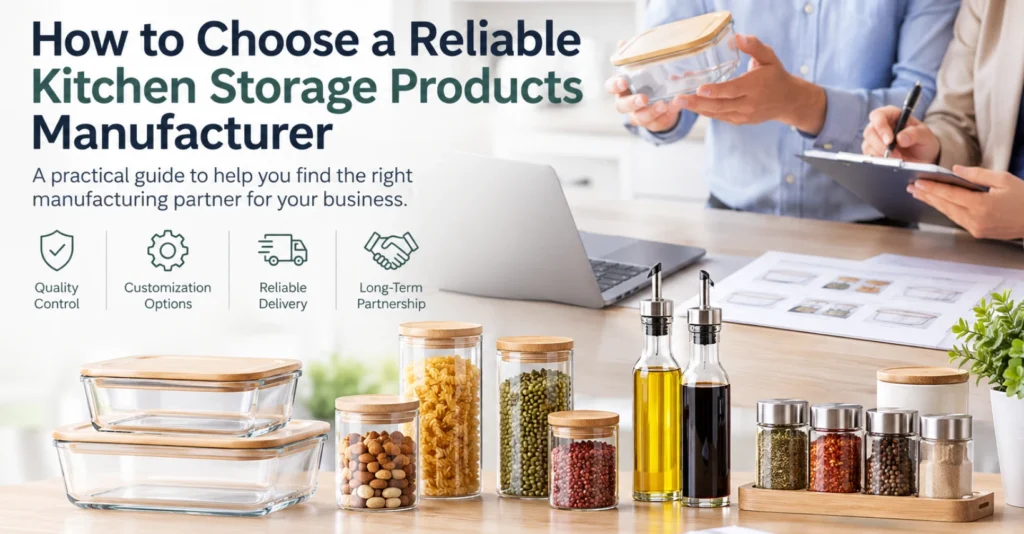
Finding a reliable kitchen storage products manufacturer is an important step for any brand, wholesaler, importer, or retailer planning to build a competitive product range. The right manufacturing partner can help you maintain consistent product quality, develop practical designs, manage costs, and respond to changing market needs. The wrong choice, however, may lead to production delays, inconsistent specifications, communication problems, or unexpected expenses.
With so many suppliers offering food storage containers, glass jars, oil bottles, spice jars, and other kitchen organization products, how can you identify a manufacturer that fits your business?
The answer goes beyond comparing quotations. You need to evaluate product expertise, quality control, customization capabilities, production reliability, and communication. This guide explains what to look for before choosing a kitchen storage products manufacturer and how to build a productive long-term partnership.
1. Define Your Product Requirements Before Contacting Manufacturers
Before requesting quotations, establish what you want to source. A clear product brief helps manufacturers understand your expectations and provide more accurate information about feasibility, pricing, and production requirements.
Start with the product category. Are you looking for glass food storage containers, airtight storage jars, oil and vinegar bottles, spice jars, stainless steel containers, or a combination of kitchen storage products? Different materials and product structures require different manufacturing processes and technical expertise.
Next, define the essential specifications, including capacity, dimensions, materials, lid design, sealing requirements, and intended use. If you are developing a product for a particular market, consider the preferences of your target customers, the expected retail price, and any applicable food-contact requirements.
Customization should also be considered early. If you need a private-label product, prepare details about logo application, product color, packaging, and whether you require an existing design or a more customized solution.
You do not need to finalize every detail before contacting a supplier. However, having a clear starting point makes it easier to compare manufacturers on a consistent basis rather than choosing based on price alone.
2. Evaluate the Manufacturer’s Product Expertise and Capabilities
Not every kitchenware supplier has the same level of experience across all product categories. A company experienced in glass storage jars may have different capabilities from one specializing in plastic containers or stainless steel food storage products.
Look for manufacturers with relevant experience in the products you intend to purchase. Review their existing catalog, product specifications, material options, and examples of comparable designs. If you are sourcing oil bottles with specialized pouring mechanisms or containers with airtight lids, ask how the manufacturer approaches those particular design requirements.
It is also important to understand how the supplier operates. Some companies manufacture products in their own facilities, while others work with external factories or combine in-house and outsourced production. Neither arrangement automatically determines reliability, but you should understand who is responsible for manufacturing, quality control, and resolving product issues.
Ask about product development support as well. Can the supplier help refine an existing design, coordinate sampling, or identify practical alternatives when a specification is difficult to manufacture? A capable partner should be able to discuss both the advantages and limitations of different options.
Rather than relying entirely on a company profile, verify relevant capabilities through samples, documentation, detailed discussions, and, where appropriate, a factory assessment.
3. Check Material Quality and Quality Control Procedures
Product quality is one of the most important factors when selecting a kitchen storage products manufacturer. Containers and jars may look similar in photographs but differ in material consistency, dimensional accuracy, lid fit, and everyday performance.
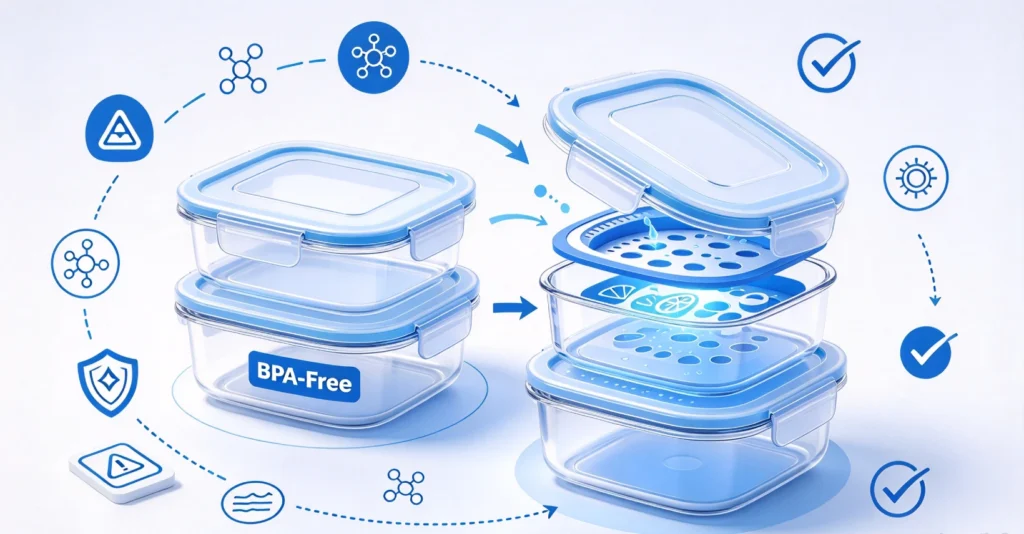
For glass food storage containers, buyers should evaluate glass quality, edges, dimensions, and compatibility between the container and its lid. For products with silicone gaskets or locking lids, check how the components fit together and whether the closure performs as intended. For oil bottles, assess pouring performance, bottle-neck compatibility, and the operation of the spout.
Material documentation is equally important. Ask the supplier for relevant information supporting food-contact suitability for the intended application and destination market. Requirements can vary by material, product use, and country, so a general statement such as “food-grade material” should not replace appropriate documentation.
You should also understand the manufacturer’s quality control process. Useful questions include:
- How are incoming materials and components inspected?
- Are dimensions and product specifications checked during production?
- How are finished products and packaging inspected before shipment?
- What procedures are followed when defects or inconsistencies are identified?
- Can the supplier provide relevant test reports or supporting documentation?
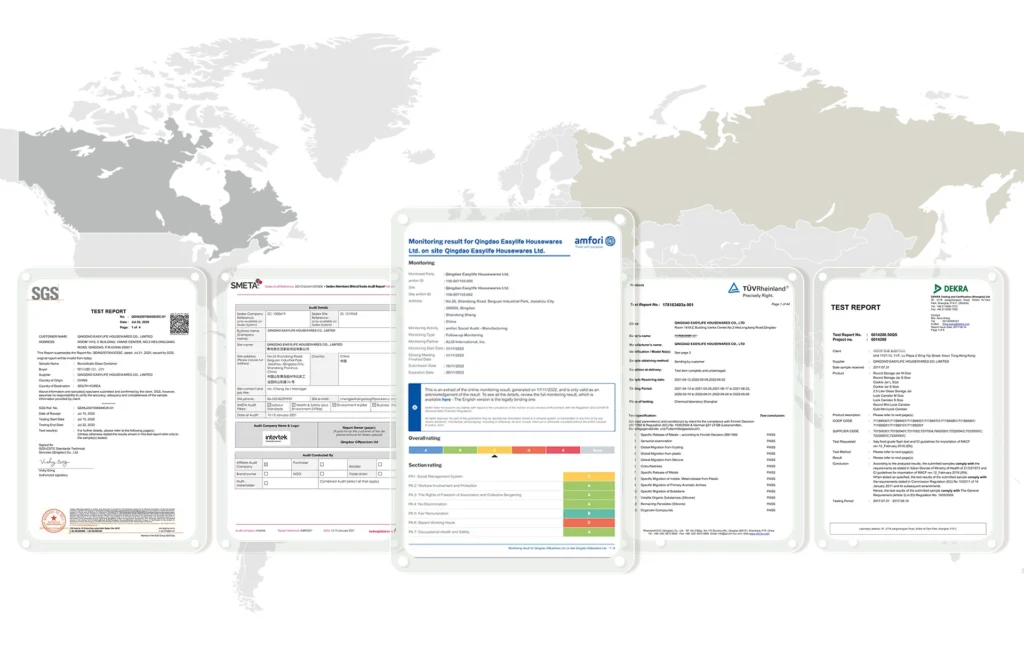
Request samples and evaluate them under realistic conditions before confirming an order. Depending on the product, testing may include checking lid fit, closure performance, leakage, ease of cleaning, and repeated use.
A reliable manufacturer should be able to explain how quality is managed and what evidence is available to support its claims.
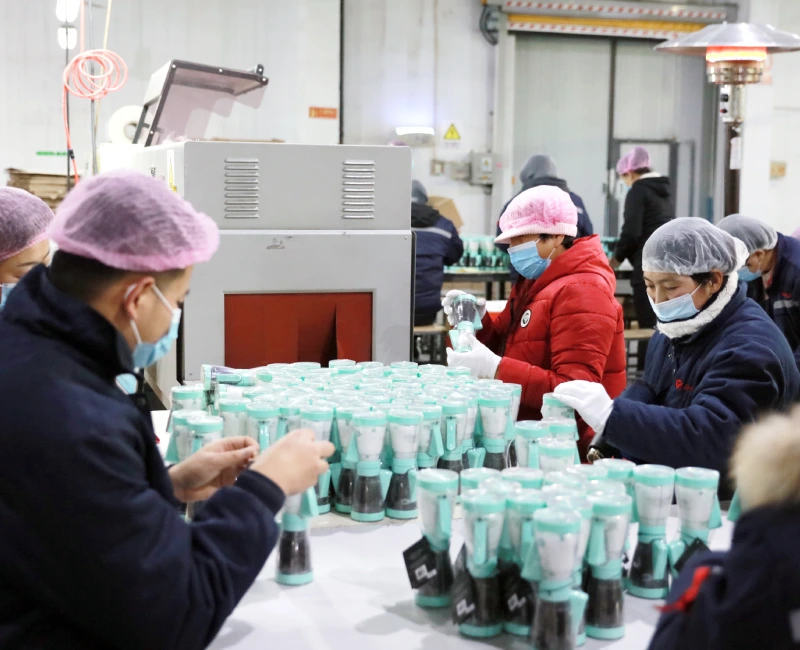
4. Compare OEM, ODM, and Customization Services
If you are developing a private-label kitchenware brand, customization capabilities may be just as important as the existing product catalog.
OEM and ODM are two common cooperation models, although the exact scope can vary by supplier.
OEM generally involves manufacturing a product according to the buyer’s specifications or design. This may be appropriate when you already have a product concept, technical drawings, or defined requirements.
ODM generally involves using a manufacturer’s existing designs or product development capabilities to create a solution suited to the buyer’s needs. This can be useful when you want to bring a product to market without developing every component from the beginning.
For kitchen storage products, possible customization options include logo application, lid color, container capacity, product combinations, and retail packaging. More complex changes may require additional design work, tooling, testing, or minimum order quantities.
Before committing to a project, clarify which options are available and what they involve. Ask about sample charges, tooling costs, development timelines, ownership of custom designs, and any restrictions on future orders.
A supplier’s ability to support your requirements should be evaluated on a project-by-project basis. Confirming these details early helps avoid misunderstandings once development or production has started.
5. Assess MOQ, Pricing, Lead Times, and Production Capacity
Price is important, but the lowest quotation does not always offer the best overall value.
When comparing manufacturers, make sure the quotations cover equivalent specifications. A price difference may reflect variations in material, lid structure, packaging, quality requirements, customization, or included services. Confirm what is included and identify any additional costs before making a decision.
MOQ is another important consideration. Some products may be available in smaller quantities when they use existing designs and standard packaging, while custom colors, logos, or tooling may require higher order volumes. Ask whether the MOQ applies to each product, color, size, or combined order.
Lead times should be discussed just as carefully. Confirm the expected timing for samples, customization, mass production, and shipment preparation. Ask how the supplier manages peak-season demand and communicates schedule changes.
Production capacity also matters when planning repeat orders or expanding your product range. A supplier should be able to explain whether it can support your expected volume and what notice is needed for future orders.
For new product projects, a staged approach can help reduce uncertainty: evaluate samples, confirm specifications, approve packaging, and agree on production requirements before moving forward with larger quantities.
6. Look for Clear Communication and Long-Term Partnership Potential
A reliable manufacturer should do more than answer quotation requests. It should be able to understand your requirements, explain product options, identify potential challenges, and communicate changes clearly.
Pay attention to the quality of the supplier’s responses. Does it answer technical questions directly? Can it explain why one lid structure may be more suitable than another? Does it tell you when a requested specification may affect cost, lead time, or production feasibility?
Communication is especially important during product development. Small misunderstandings about capacity, dimensions, colors, or packaging can result in samples that do not meet expectations. Written specifications, approved samples, and clear confirmation of changes help reduce these risks.
You should also understand how the supplier handles problems. Ask what happens if samples do not meet requirements, production is delayed, or finished products contain defects. Clear procedures for reporting and resolving issues are useful indicators of a structured business relationship.
For buyers planning to expand their product range over time, a manufacturer that communicates consistently and supports product improvement may offer greater long-term value than a supplier selected solely on initial price.
7. Watch Out for Common Warning Signs
Although no single warning sign proves that a supplier is unreliable, certain issues deserve further investigation before an order is placed.
Be cautious when product specifications are vague, material claims cannot be supported, or the supplier is unwilling to clarify what is included in a quotation. Unrealistically short lead times, unexplained price changes, and unclear responsibility for product defects can also create problems later.
Another warning sign is a lack of transparency around customization. If a supplier promises every requested feature without discussing feasibility, sample testing, tooling, or minimum order quantities, ask for more detailed confirmation.
Do not assume that an attractive website or polished catalog is sufficient evidence of manufacturing capability. Request relevant documentation, review samples, and verify important claims through appropriate checks.
It is equally important to avoid judging every supplier by the same criteria. A small order of an existing product has different requirements from a large OEM project involving new tooling and extensive customization. Choose a verification process that reflects the scale and complexity of your purchase.
8. Why Consider EasyLife Housewares as Your Kitchen Storage Partner?
Once you understand what makes a reliable manufacturer, the next step is to find a supplier whose products and capabilities match your business needs.
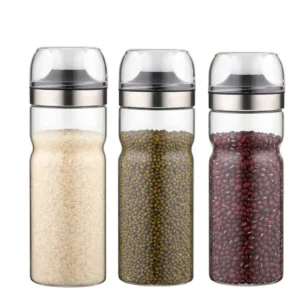
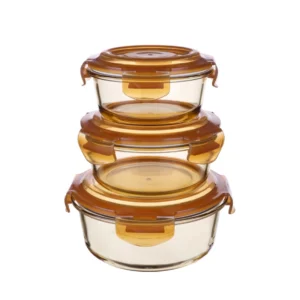
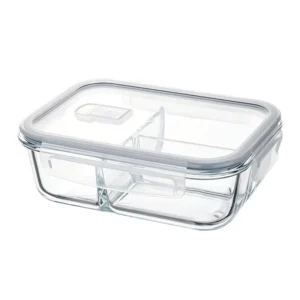
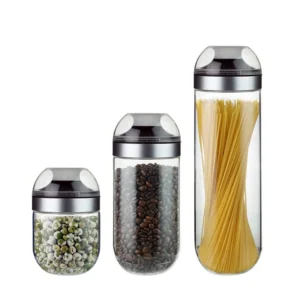
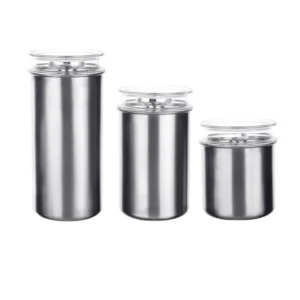
EasyLife Housewares is a B2B supplier of kitchen storage and food storage products, including glass storage jars, food containers, oil and vinegar bottles, and spice storage solutions. Our product range serves buyers looking for practical kitchenware options for retail, wholesale, and private-label projects.
Depending on the selected product and project requirements, buyers can discuss existing designs, OEM/ODM cooperation, logo and color customization, and packaging options. Sampling and specification discussions can help establish whether a product is suitable before an order is confirmed.
We understand that different buyers have different priorities. Some need an existing product with clear specifications and practical packaging, while others want to explore a customized design for a particular market. Defining these needs early helps both sides evaluate the most suitable options.
If you are sourcing kitchen storage products, you can explore our product range and share your requirements with our team. We can discuss product options, customization possibilities, and the details that matter to your project.
Recommended products
FAQ
How do I find a reliable kitchen storage products manufacturer?
Start by defining your product specifications and target market. Then review manufacturers with relevant product experience, request samples, verify material documentation, ask about quality control, and compare quotations on an equivalent basis. Clear communication and transparent production arrangements are also important.
What is the difference between a manufacturer and a trading company?
A manufacturer produces products directly or manages production through its own manufacturing operations. A trading company typically sources products from factories and coordinates sales or export activities. Some businesses combine both roles. Buyers should verify who will be responsible for production, quality control, and resolving product issues.
What should I ask a kitchen storage supplier before placing an order?
Ask about product specifications, materials, MOQ, sample availability, customization options, production lead times, packaging, quality inspections, and applicable documentation. You should also clarify payment terms, shipping arrangements, and how defects or delays will be handled.
How can I verify the quality of food storage containers?
Request samples and inspect the product’s construction, dimensions, lid fit, and ease of use. Conduct relevant performance tests and request documentation for food-contact materials and any specific product claims. The appropriate checks depend on the product design and intended application.
Can a kitchen storage manufacturer customize products for my brand?
Many suppliers offer some form of customization, but available options vary. Common possibilities include logos, colors, and packaging. Changes to product dimensions, lid structures, or tooling may involve additional costs, development time, and higher MOQs. Confirm the details with the supplier before approving a project.
Conclusion
Choosing a reliable kitchen storage products manufacturer requires a balanced evaluation of product expertise, quality control, customization capabilities, pricing, production reliability, and communication. The right partner should be able to explain its capabilities clearly, provide evidence to support important claims, and work with you to establish realistic product specifications.
Before making a decision, define your requirements, evaluate samples, compare quotations carefully, and clarify responsibilities in writing. These steps can help reduce sourcing risks and build a stronger foundation for long-term cooperation.
At EasyLife Housewares, we work with B2B buyers on kitchen storage products and suitable OEM/ODM projects. Whether you are looking for existing products or exploring a customized solution, share your product requirements with our team, and let’s discuss what could work for your market.