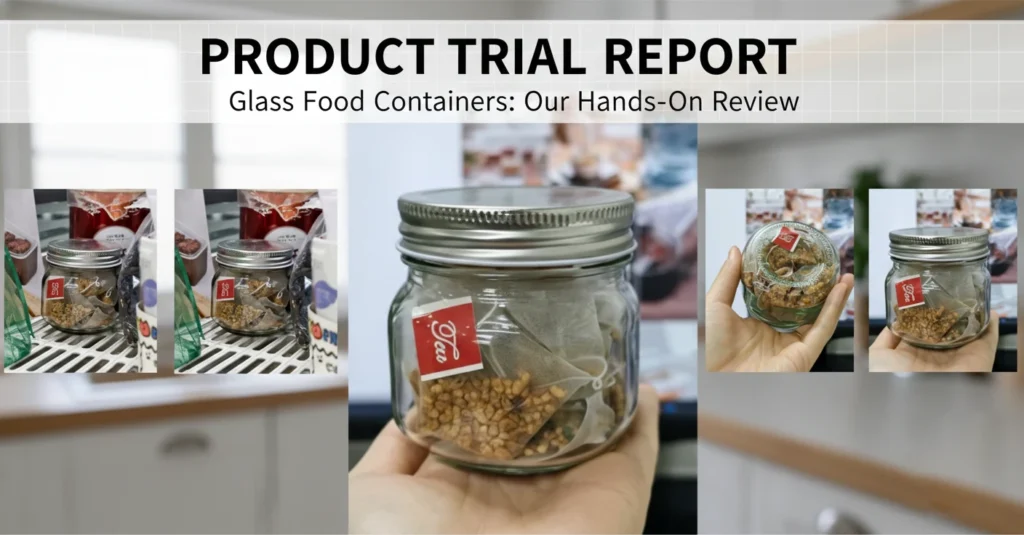
Tossing an empty jar into the recycling bin seems easy enough, but did you know that doing it incorrectly can send an entire batch of material straight to the landfill? Glass is one of the most valuable, sustainable materials we use—but only when it’s handled correctly. This guide is about how to recycle glass jars correctly, and will walk you through the simple preparation, the high-tech process, and the crucial warnings to ensure your jar joins the infinite loop.
The Power of Infinite Recycling
Glass is a truly unique material: it is 100% and infinitely recyclable without any loss in quality or purity. This makes recycling glass a high-impact, energy-saving action.
- Energy Efficiency: Using recycled crushed glass, called cullet, saves between 25% and 40% of the energy required to melt the raw materials (sand, soda ash, and limestone).
- Resource Conservation: Every ton of recycled glass jars saves over 1,300 pounds of raw materials, reducing the need for mining and quarrying.
- Environmental Impact: Recycling reduces related air pollution by about 20% and water pollution by about 50%, keeping non-biodegradable material out of landfills.
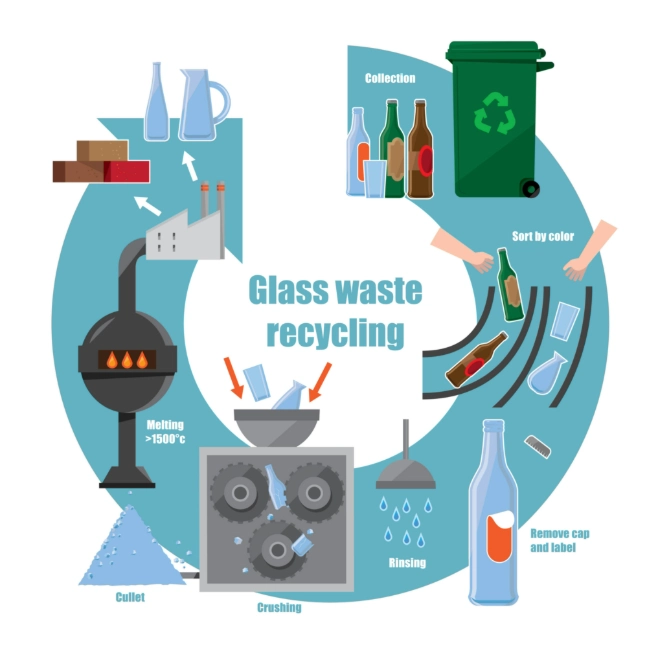
How to Recycle Glass Jars Intactly (Preparation Steps)
For your glass to successfully make it through the processing plant, it needs to be clean and safe for workers.
- Cleaning is Key: Always empty the jar completely and thoroughly rinse it out with water. Significant food or grease residue contaminates the batch and can ruin the resulting cullet.
- Handling Lids and Caps: Remove all metal or plastic lids, caps, and rings. Metal lids can typically be recycled with other scrap metal; plastic lids should go in the trash.
- Dealing with Labels: Most paper labels are fine as they burn off in the furnace. If the label is thick, plastic, or wrap-around, it is best to peel it off. If you’re not sure how to quickly remove labels, check out our most complete guide.
- Sorting (If Required): Separate jars by color (Clear, Brown/Amber, Green) if mandated by your local program.
The Danger Zone: Contamination and Safety
Can all kinds of glass jars be recycled? This section covers the two biggest threats to efficient glass recycling: contamination and worker safety.
Crucial Warning: What NOT to Recycle
NEVER mix the following non-container glass items with your food jars. They have different chemical compositions, densities, and melting points that contaminate and ruin the recycling batch.
| Type of Contaminant | Examples | The Problem |
| Heat-Resistant Glass | Ovenware, scientific lab glass, and glass coffee pots. | Has a much higher melting point and remains solid, creating defects in the new glass. |
| Plate and Tempered Glass | Window glass, car windshields, mirrors. | Chemically different and often coated with films or metals. |
| Other Items | Drinking glasses, stemware, lightbulbs, ceramics, pottery. | Contain different chemicals (like lead or dyes) or non-glass minerals. |
How to Recycle Broken Glass (Safety First!)
Broken glass must never be put in the curbside recycling bin! Shards pose a severe hazard to workers.
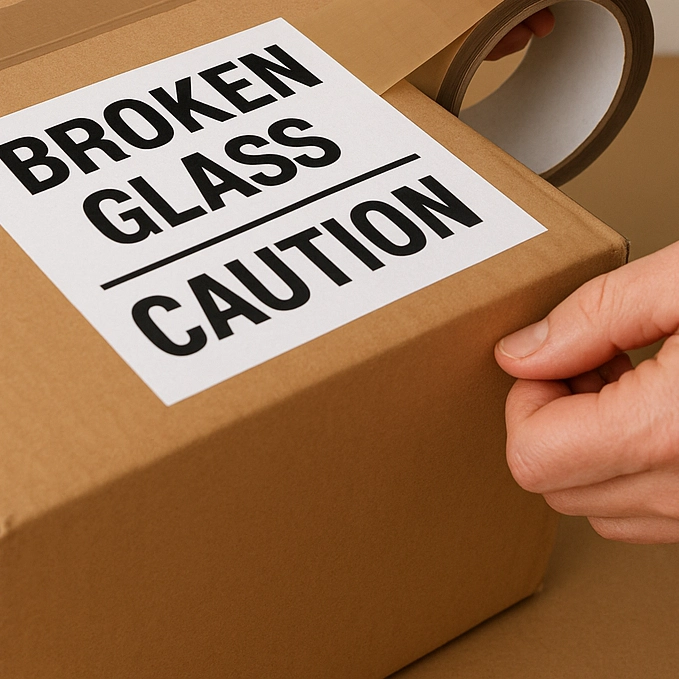
- Wrap Securely: Collect the pieces and wrap them thickly in several layers of newspaper or place them inside a sturdy cardboard box.
- Seal and Label: Seal the wrapping or box tightly with tape and clearly label it “BROKEN GLASS – CAUTION.”
- Disposal: Place the secured container in your regular trash bin.
Reuse vs. Recycle: The Durability Choice
Before recycling, consider the jar’s potential for reuse. This choice is usually based on the thickness of the glass and the quality of the seal.
Jars Recommended for Repeated Use (The Keepers)
These are containers designed for longevity, storage, and consistent sealing, such as Mason Jars (Ball, Kerr).
For businesses, crafters, and individuals seeking reliable, bulk storage solutions, choosing the right wholesale jars is key to sustainability and cost-effectiveness. We specialize in providing premium, thick-walled glass jars that are built for repeated use, commercial filling, and long-term food preservation. Our wholesale line ensures a high-quality product with consistent sealing properties, making them ideal for bulk storage, canning, or retail products that emphasize durability and reusability. Investing in superior jars gives your customers a product designed to stand the test of time.
Recommended products
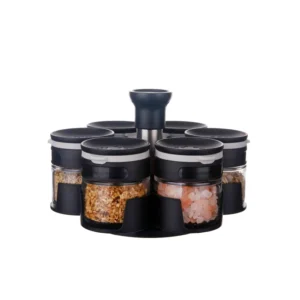


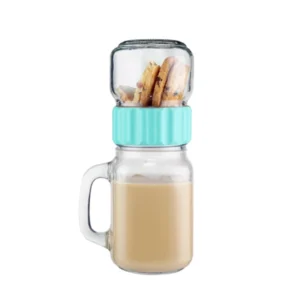
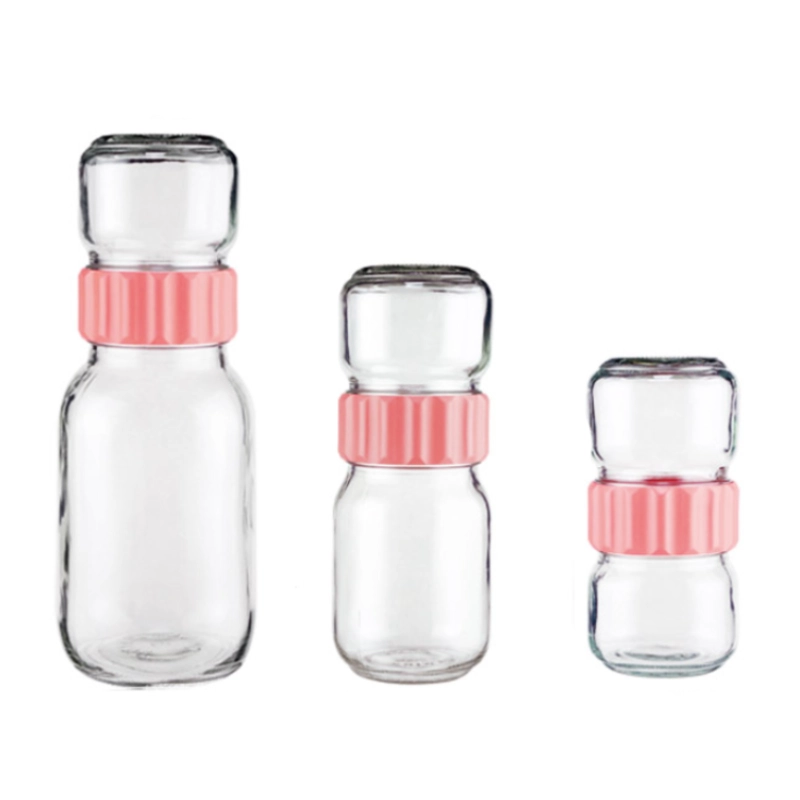
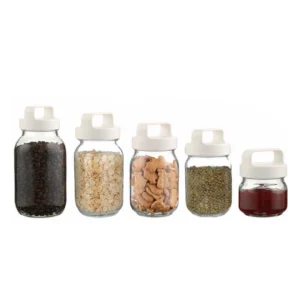
Jars to Recycle at the Right Time
Standard commercial jars (salsa, jam, pesto) are often thinner and have less durable seals. While they can be reused short-term, these are the primary candidates for recycling when you have an excess supply.
Creative Ways to Reuse Glass Jars
Give your jars a beautiful second life and save money on storage and decor!
Pantry Organization
Store dry goods such as rice, pasta, beans, cereals, nuts, baking ingredients, and spices in clear containers for a clean, uniform look that makes items easy to identify at a glance. Label each container for quick access, and stack or arrange them by category to maximize shelf space. This not only improves efficiency but also helps keep food fresher for longer by protecting it from pests and moisture.
Office and Workshop
Keep small office or hardware supplies neatly sorted and visible—perfect for storing paperclips, pushpins, screws, nails, washers, or other tiny essentials that easily get lost. Crafters can use jars for beads, ribbons, buttons, thread, glitter, and other creative materials. Clear storage makes it simple to find exactly what you need while maintaining a tidy workspace.
Decor and Ambience
Repurpose jars as decorative elements to enhance your home atmosphere. Use them as minimalist vases for fresh or dried flowers, create self-contained terrariums for greenery, or turn them into safe candle holders for tea lights and votive candles. Add sand, stones, shells, or fairy lights to create seasonal or themed displays that bring warmth and personality to your space.
Gifting
Transform ordinary jars into thoughtful, personalized gifts. Layer dry ingredients to create attractive cookie, brownie, or hot cocoa mixes with a printed recipe tag attached. For bath and self-care gifts, fill jars with homemade bath salts, sugar scrubs, or dried botanical blends. Finish with ribbons, twine, or custom labels for a charming, handmade touch.
Meal Prep
Use wide-mouth jars for practical and eco-friendly meal prep. They’re great for overnight oats, parfaits, and portioned salads—keep ingredients fresh by layering dressings at the bottom and greens at the top. Jars can also be used to freeze small portions of soup, broth, or sauces, helping reduce food waste and streamline weekly cooking routines.
FAQ about Recycled Glass Jars
Can you recycle metal lids from glass jars?
Yes, in most cases, you can recycle metal lids from glass jars, but they should be separated from the glass jar itself. Once the metal lid is removed, it should be clean and dry. Many curbside programs accept these metal lids along with other scrap metal like aluminum foil or soup cans; however, it’s often recommended to collect small lids inside a larger metal can (like a coffee can) and crimp the opening shut before placing the can in the recycling bin. This prevents the small, flat lids from falling through the sorting machinery at the Material Recovery Facility (MRF). Check your local waste management guidelines, as some facilities have machinery capable of handling small, loose metal pieces, while others require the secured “can-in-can” method for safety and efficiency.
Why are canning jars not recyclable?
That statement is generally false—canning jars (like Mason or Ball jars) are made of soda-lime glass, which is the same composition as standard food jars, meaning they are recyclable along with other glass containers. The key difference lies in their durability and intended use; canning jars are engineered with thicker glass and sturdier construction to withstand high heat and pressure for home preservation, making them ideal for repeated reuse (the preferred option). They only become candidates for recycling when they are cracked, chipped, or have reached the end of their useful life for home canning. It is important, however, not to confuse them with heat-resistant glassware (like Pyrex), which has a higher melting point due to the addition of boron and should never be placed in the glass recycling bin, as it contaminates the entire batch.
Which bin to put glass jars in?
The appropriate bin for glass jars is typically the curbside recycling bin (often designated as the “commingled” or mixed recyclables bin), provided they are clean and intact. Before placing them in the bin, you must empty and rinse the jars to remove any food residue and remove the lids, which are often recycled separately as metal or disposed of as plastic. However, you should never put glass jars in the trash bin unless they are broken or if your local waste management system explicitly instructs you to do so, as glass is infinitely recyclable. If a jar is broken, for safety reasons, it must be secured (wrapped in newspaper or placed in a box) and put in the regular trash bin, not the recycling bin, to prevent injury to sanitation workers. Always check your local municipality’s specific rules, as guidelines can vary regarding color sorting or acceptable types of glass.
Conclusion: Closing the Infinite Loop
The journey of a glass jar, from your kitchen to the furnace and back, is a perfect model of the circular economy. This system works because glass is a truly endless material, but it relies entirely on your diligence.
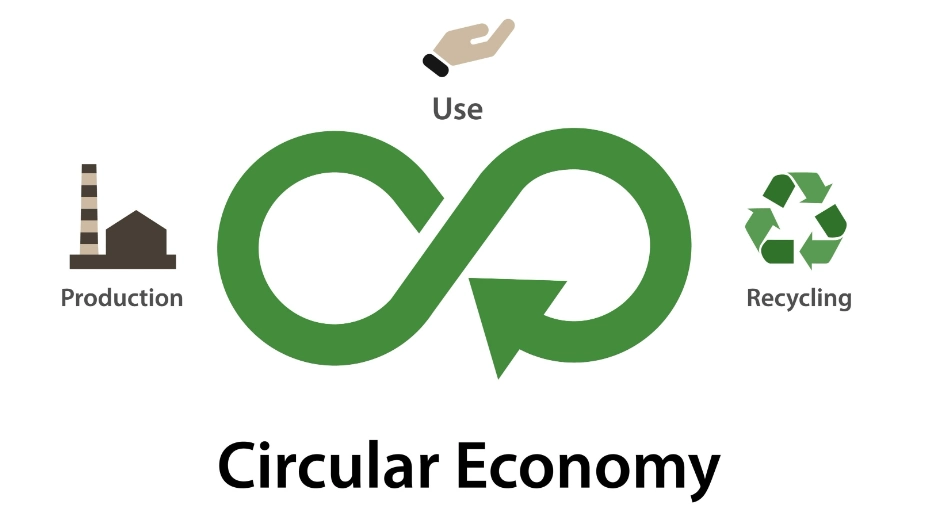
The effort you expend removing a lid, rinsing residue, and knowing the difference between a recyclable jar and a non-container glass contaminant directly determines the sustainability of the entire process. Ultimately, maximizing the glass loop is about habit and mindfulness. Make it a routine to check local guidelines, prioritize reuse where possible, and when you must recycle, do it right. By making these small commitments, you transition from being a consumer to a key participant in a permanent cycle of material renewal.