You just dropped $20 on a bag of single-origin Ethiopian beans. The bag smells like blueberries and jasmine, and that first cup was a revelation. But five days later? It tastes like a dusty attic.
What happened? Most people treat coffee like a pantry staple—something like flour or sugar that stays “good” forever. In reality, roasted coffee is a fresh produce item. From the moment those beans leave the roaster, a countdown clock begins. If you aren’t storing them correctly, you aren’t just losing flavor—you’re literally watching your money evaporate into the air.
If you want to stop wasting money on stale coffee, here are the 5 essential rules for how to store coffee beans for maximum freshness.
Rule 1. Guard Against the “Big Four” Enemies
When researching how to store coffee beans, you’ll quickly learn about the four natural enemies of flavor: Air, Moisture, Heat, and Light.
Air: Oxygen causes the oils in coffee beans to go rancid (oxidation).
Moisture: Coffee is “hygroscopic,” meaning it sucks up humidity, which ruins the delicate aromatics.
Heat & Light: Both accelerate chemical reactions that break down the bean’s structure.
The Fix: Store your coffee in a cool, dark, and dry place—like a pantry—rather than on a sunny windowsill or near the oven.
Rule 2: Stop Putting Your Coffee in the Freezer
There is a common myth that the best way how to store coffee beans is in the freezer. Don’t do it.
Every time you take a bag out of the freezer to scoop beans, moisture from the air condenses on the cold coffee. This condensation seeps into the porous beans, destroying the flavor profile. Additionally, coffee absorbs odors; unless your bag is perfectly vacuum-sealed, your coffee will end up tasting like whatever else is in your freezer.
Rule 3: The Best Way to Store Coffee Beans: Invest in an Airtight Container
If you’re wondering how to store coffee beans on your counter, the answer is a dedicated coffee canister.
Avoid using transparent packaging: Clear jars look great, but light is a flavor killer.
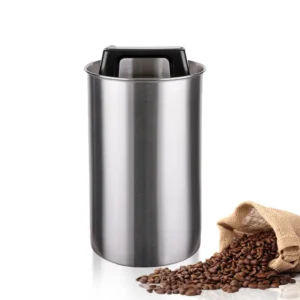
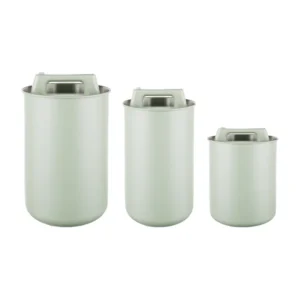
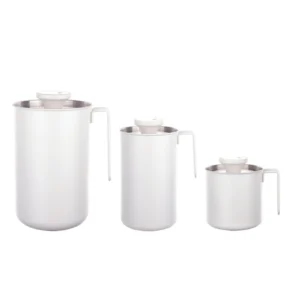
Go Opaque: Use a stainless steel, ceramic, or tinted glass container.
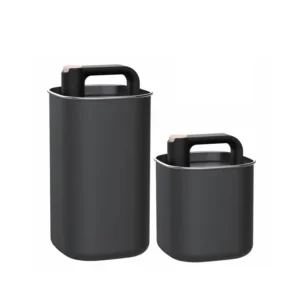
The Seal: Ensure it has a silicone gasket for an airtight seal. EasyLife’s high-end canisters even have one-way valves that allow CO2 to escape without letting oxygen in.
Best container to store coffee beans
Rule 4: Buy Whole Beans, Not Pre-Ground
The “secret” to how to store coffee beans is actually keeping them whole as long as possible. Once a bean is ground, its surface area increases drastically, allowing oxygen to strip away the flavor in minutes. To ensure your coffee stays fresh, only grind the exact amount of beans you need immediately before brewing.
Rule 5: Follow the “Roasted On” Date
When buying coffee, ignore “Best By” dates, which are often set a year into the future. Freshness usually peaks between 4 and 14 days after roasting.
The Rule of Thumb: Try to buy smaller bags frequently and finish them within 30 days of the roast date. This is the most effective way to ensure your storage methods actually have high-quality flavor to preserve!
Conclusion: Better Storage, Better Coffee
Mastering how to store coffee beans doesn’t require expensive lab equipment—it just takes a little consistency. By keeping your beans away from air, light, and moisture, you ensure that every cup tastes as vibrant as the roaster intended.
When you invest in high-quality specialty coffee, you aren’t just buying caffeine; you’re buying the labor of farmers and the art of the roast. Protecting that investment starts the moment you bring the bag home. While rolling up the original bag and using a chip clip is a start, it rarely provides a true airtight seal.
For those who are serious about flavor, the hardware matters. This is where the EasyLife Airtight Vacuum Stainless Steel Coffee Storage Jar comes in. Designed specifically for coffee enthusiasts, these jars perfectly meet the demanding storage conditions of fresh coffee beans.
The medical-grade stainless steel blocks out 100% of damaging UV light, while the integrated vacuum seal technology strips away oxygen—the primary cause of staleness. By switching to an EasyLife canister, you take the guesswork out of freshness, ensuring your last scoop of beans tastes just as incredible as the first.