At first glance, salt shakers and salt grinders do the same job: they deliver seasoning to your food. But for chefs and hosts, the two tools couldn’t be more different. From the pre-ground convenience of a classic shaker to the customizable coarseness of a high-end grinder, choosing the right vessel can elevate your dish from ‘standard’ to ‘signature.’ What are the key differences between a salt shaker and a pepper grinder? Here is everything you need to know about which one belongs in your kitchen.
Functional Differences Between Salt Shakers and Salt Grinders
Salt shakers offer precision in quantity—each shake delivers a predictable amount of salt. This makes them useful when accuracy matters, such as following recipes or seasoning delicate dishes.
Salt grinders, on the other hand, provide control over texture and intensity. Most grinders allow you to adjust the coarseness, giving you flexibility depending on the dish. While grinders may be less precise in measuring exact amounts, they excel at tailoring the sensory experience.
The Impact on Flavor, Texture, and Freshness
Freshly ground salt from a grinder often delivers a cleaner, more vibrant flavor. Because whole salt crystals are protected from air and moisture until grinding, their natural mineral notes are better preserved.
Texture also plays an important role. Fine salt from shakers dissolves quickly and distributes evenly, making it ideal for soups, sauces, and baking. Coarser salt from grinders adds crunch and visual appeal, enhancing dishes like grilled meats, roasted vegetables, and salads.
In terms of freshness, grinders generally win. Pre-ground salt stored in shakers can absorb moisture and odors over time, whereas whole crystals maintain stability longer.
The Difference Between Control and Precision
Salt shakers offer precision in quantity—each shake delivers a predictable amount of salt. This makes them useful when accuracy matters, such as following recipes or seasoning delicate dishes.
Salt grinders, on the other hand, provide control over texture and intensity. Most grinders allow you to adjust the coarseness, giving you flexibility depending on the dish. While grinders may be less precise in measuring exact amounts, they excel at tailoring the sensory experience.
Impact on Cooking
Spices stored in jars and spices stored in grinders affect cooking in different ways, mainly in terms of flavor, aroma, texture, and overall culinary results.
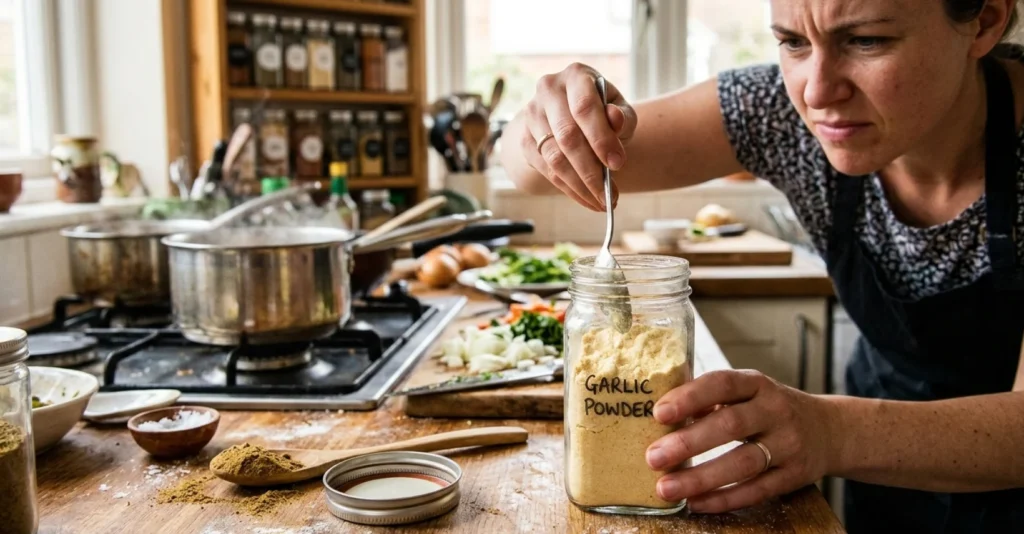
Spices kept in jars are usually pre-ground. Because they are finely ground, they blend easily and evenly into dishes, making them ideal for soups, sauces, marinades, and baking. However, pre-ground spices have a larger surface area exposed to air, light, and moisture. Over time, this exposure causes the loss of volatile essential oils, which results in a weaker aroma and less complex flavor. While jarred spices offer convenience and consistency, their impact on a dish can be more muted, especially if they have been stored for a long period.
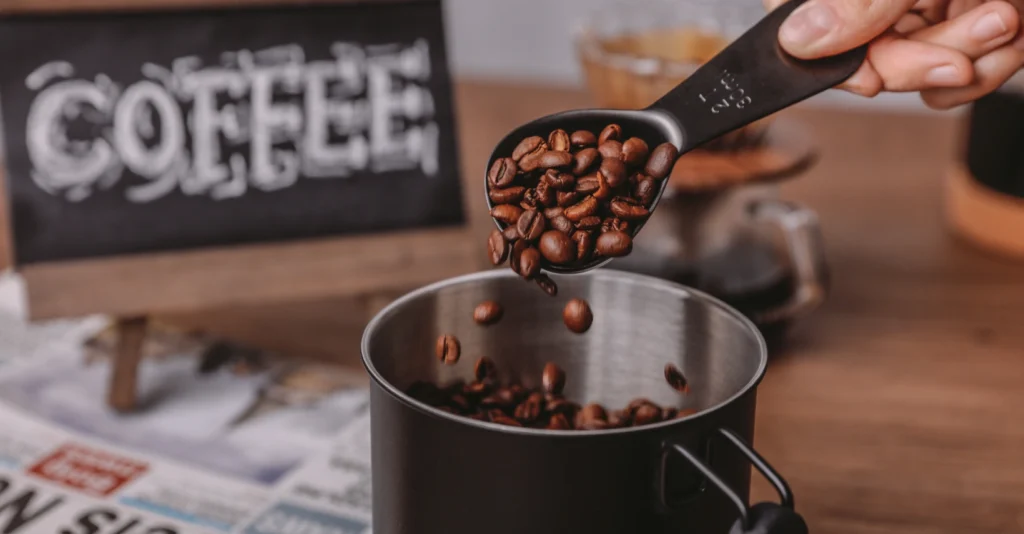
In contrast, spices stored in grinders are typically kept whole. The intact structure of whole spices helps protect their natural oils and aromas until the moment they are used. When freshly ground during cooking or at the table, these spices release stronger, brighter, and more layered flavors. Grinders also allow control over coarseness, which can add texture and visual appeal to dishes such as grilled meats, salads, and roasted vegetables.
Salt Shaker VS Salt Grinder
| Feature | Salt Shaker | Salt Grinder |
| Material | Glass, Plastic, Ceramic | Wood, Metal, Glass |
| Salt Type | Fine Table Salt | Coarse/Sea Salt Crystals |
| Control | Fixed (Fine only) | Adjustable (Coarse to Fine) |
| Best For | Speed & High Volume | Flavor & Presentation |
| Vibe | Casual & Functional | Elegant & Professional |
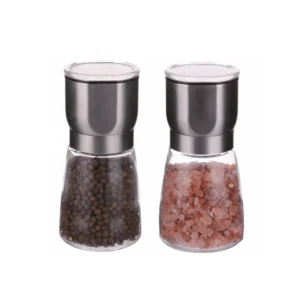
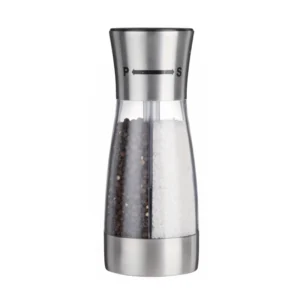
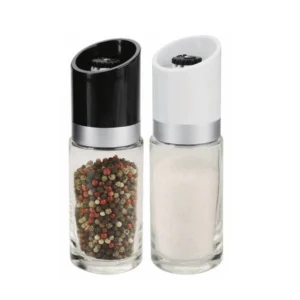
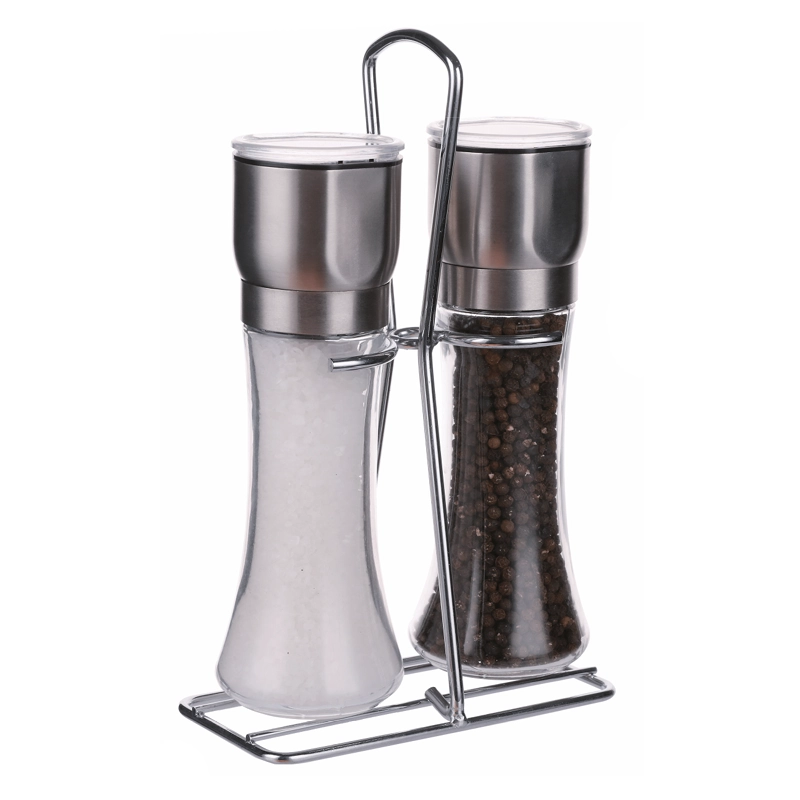
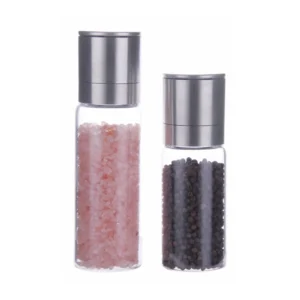
Recommended Salt and Pepper Grinder
Which One Should You Choose?
Choosing whether to store salt in a salt shaker or a salt grinder depends on how you cook, the type of salt you use, and the results you want to achieve in your dishes.
Salt stored in a shaker is usually fine-grained and pre-processed. It is easy to control and distribute quickly, making it well-suited for everyday cooking, baking, soups, and sauces where salt needs to dissolve evenly. If you often follow recipes that require precise measurements or cook large batches of food, a salt shaker offers speed, consistency, and convenience.
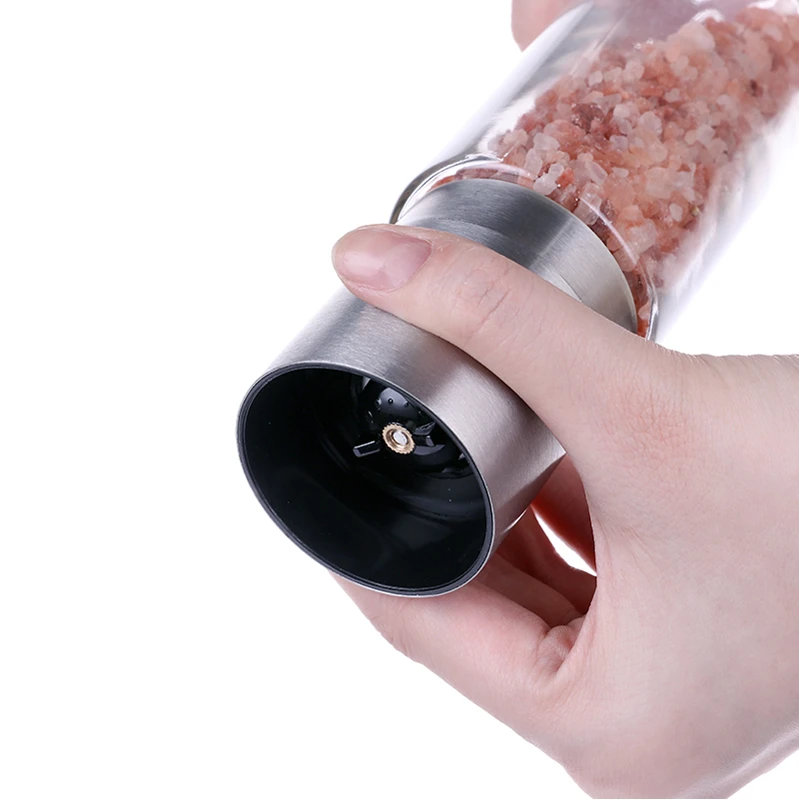
A salt grinder, on the other hand, is designed for coarse salt crystals such as sea salt or Himalayan salt. Grinding salt fresh allows you to control the texture, from fine to coarse, and adds a more pronounced flavor and subtle crunch. This makes grinders ideal for finishing dishes, seasoning grilled meats, vegetables, and salads, or enhancing the dining experience at the table.
In many kitchens, the best solution is to use both. A salt shaker supports efficient cooking, while a salt grinder enhances flavor and presentation. By matching the tool to your cooking style and purpose, you can achieve better results and greater flexibility in the kitchen.
A salt grinder, on the other hand, is designed for coarse salt crystals such as sea salt or Himalayan salt. Grinding salt fresh allows you to control the texture, from fine to coarse, and adds a more pronounced flavor and subtle crunch. This makes grinders ideal for finishing dishes, seasoning grilled meats, vegetables, and salads, or enhancing the dining experience at the table.
At Easylife, we understand that different cooking needs require different solutions.
That’s why we offer a wide range of high-quality salt shakers and salt grinders, designed for both home kitchens and professional use. With durable materials, smooth grinding mechanisms, and customizable designs, our products help customers achieve the perfect balance of functionality, flavor, and style.
Maintenance and Care
To keep spice jars and grinders in good condition, regular cleaning and proper storage are essential. Wash glass or ceramic jars with warm soapy water, rinse, and dry completely. Avoid sunlight and moisture to preserve spice freshness. Check lids and seals for tightness and replace if worn.
For grinders, empty leftover spices after use. Clean manual grinders with a brush and a damp cloth. Ensure all parts are dry before reassembly. Avoid grinding non-food items and periodically check blades or burrs for wear. Proper care ensures long-lasting freshness and efficient grinding.
Conclusion
Choosing between a spice grinder and a spice jar depends on your cooking style and preferences. Spice jars are ideal for storing pre-ground spices. They are simple, convenient, and allow you to quickly measure and add spices to dishes. They are also easier to clean and maintain, making them suitable for everyday use. However, pre-ground spices may lose flavor faster over time.
Spice grinders, on the other hand, are perfect for whole spices. Grinding fresh spices just before cooking preserves their aroma and flavor, giving dishes a more vibrant taste. Grinders offer flexibility in texture and coarseness. They require more cleaning and care, and the initial cost may be higher.
In summary, if convenience is your priority, spice jars are sufficient. If flavor and freshness matter most, investing in a spice grinder is worth it. Many kitchens benefit from having both, using jars for everyday spices and grinders for specialty or whole spices.