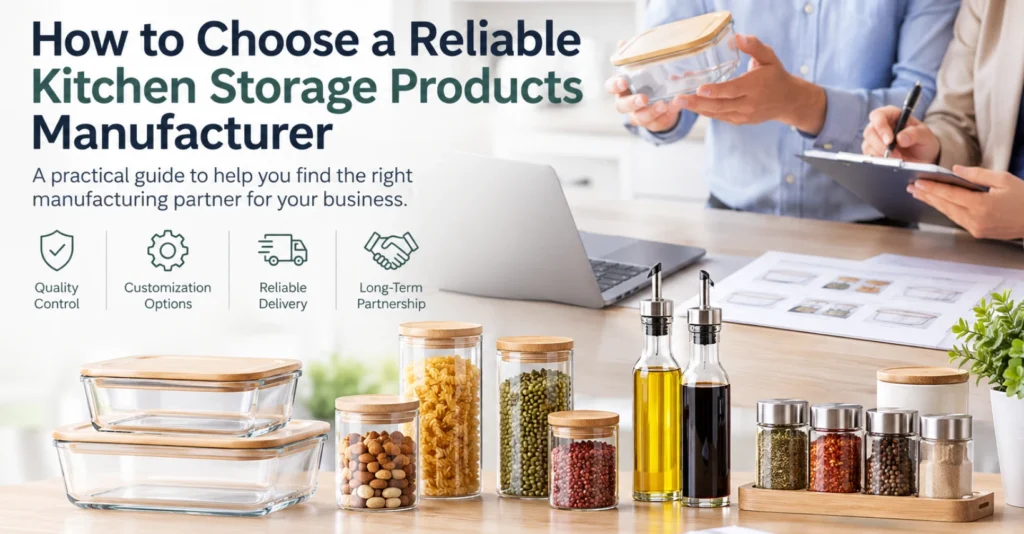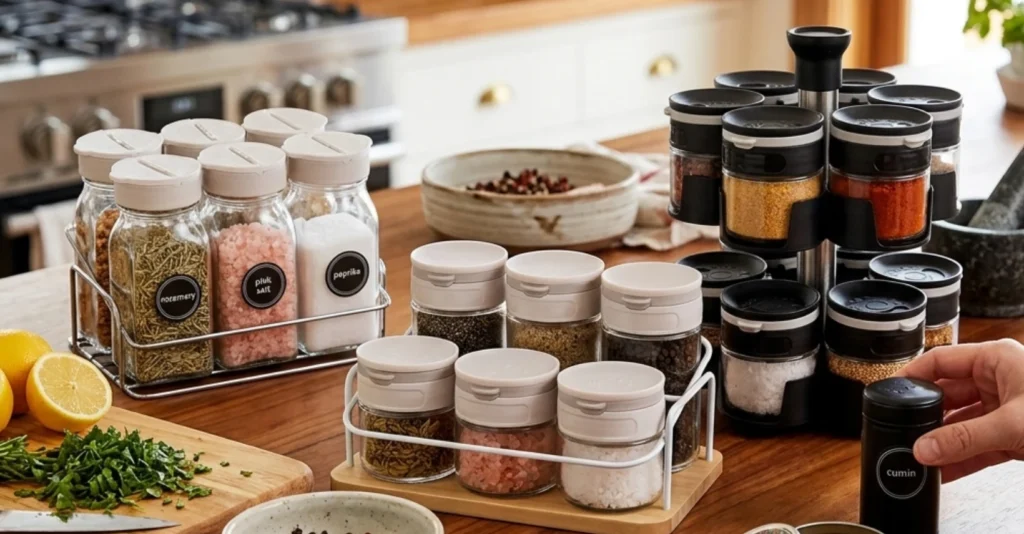
In the global housewares and kitchen storage market, purchasing departments are under constant pressure to optimize margins. When sourcing glass storage jars, food prep containers, and stainless steel canisters, a unit price quote that is $0.50 to $1.20 lower than average feels like an instant win on the ledger.
However, experienced procurement professionals know a fundamental truth of international manufacturing: the initial FOB purchase price is only a small fraction of the Total Cost of Ownership.
Unusually low-priced glassware is rarely the result of “supplier efficiency.” More often, it is achieved by shaving off critical costs in raw material purity, thermal annealing, structural wall balance, mold precision, and toxic chemical compliance. While cheap glassware may look identical to high-grade alternatives when sitting on a sample table, its flaws begin to manifest during ocean transit, warehouse handling, and daily consumer use.
Below, we analyze the 5 major hidden costs of cheap glassware and explain how opting for subpar production ultimately destroys profit margins and compromises brand reputation.
1. Freight Breakage & Inventory Depletion (Logistics & Financial Loss)
The Technical Culprit: Rushed Annealing & Mismatched Molds
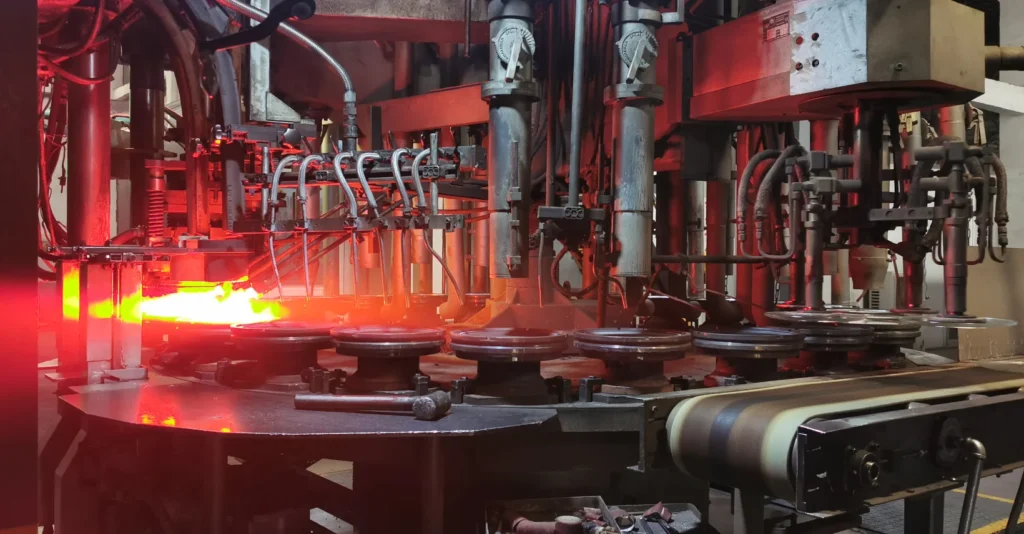
In high-efficiency glass manufacturing, the cooling phase—known as annealing—is critical. Glass must be cooled slowly in a temperature-controlled lehr kiln to relieve internal stress. Low-cost manufacturers routinely speed up conveyor belts to increase daily output. This leaves severe thermal stress locked inside the glass matrix. Combined with thin spots caused by cheap, worn-out molds, the container becomes structurally unstable.
The Hidden Financial Toll
- Pallet-Level Collapse: Brittle glass containers crack under standard stacking pressures inside shipping containers. A single crushed master box can destabilize an entire pallet, causing domino-style breakage during rough sea transit.
- Secondary Contamination: When one glass jar shatters inside a master pack, fine glass dust and shards contaminate all neighboring units. Warehouse workers cannot safely inspect or repackage damaged cases, turning partially damaged cartons into total write-offs.
- Logistics & Claims Friction: Processing freight insurance claims takes time, locks up cash flow, and disrupts inventory scheduling. Missing product launches due to broken stock result in missed retail placement windows.
2. Thermal Shock Explosions & Liability Risks (Legal & Brand Risk)
The Technical Culprit: Substituted Soda-Lime for Borosilicate
True High-Borosilicate glass can withstand sudden temperature shifts. It moves seamlessly from freezer to oven or microwave.
To slash production costs by 30% to 40%, budget factories often substitute standard Soda-Lime glass or low-grade recycled cullet while marketing the containers as “heat-resistant” or “oven-safe.”
The Hidden Financial Toll
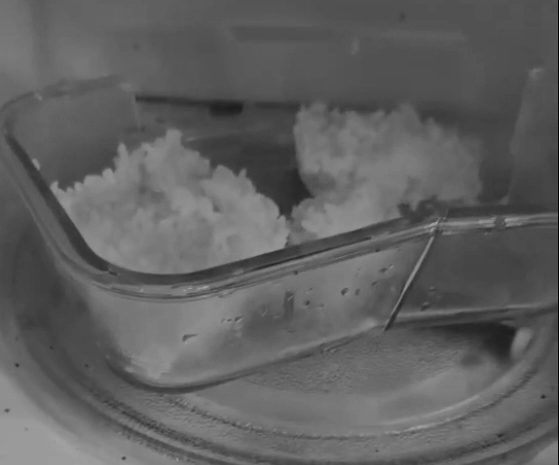
- Violent Shattering in Consumer Homes: Soda-Lime glass cannot handle rapid expansion. When a consumer pours hot soup into a chilled jar or places a glass lunch container directly into a hot oven, thermal stress causes the container to burst.
- Product Liability & Compensation: Injury claims resulting from flying glass or thermal burns can incur thousands of dollars in medical settlements, legal defense fees, and insurance premium hikes.
- Marketplace Delisting: E-commerce platforms like Amazon, Walmart, and Target automatically flag listings that accumulate customer reports of “shattering” or “exploding” products. A single bad batch can lead to account suspension and permanent listing removal
3. Regulatory Seizures & Heavy Metal Leaching (Compliance Hazard)
The Technical Culprit: Low-Grade Cullet & Non-Food-Grade Silicone
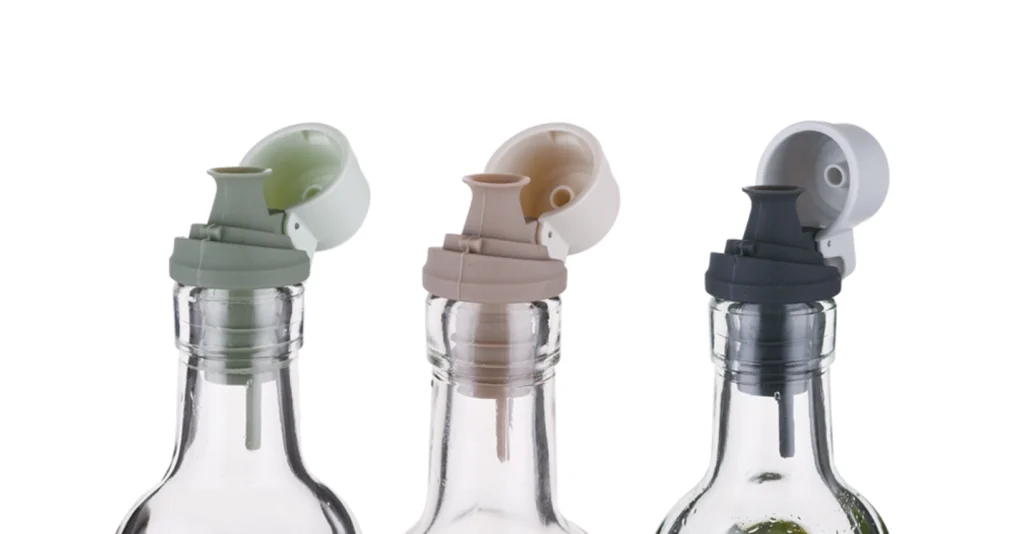
Glass itself is inert, but low-cost glass factories frequently mix unrefined scrap glass containing lead, cadmium, or industrial heavy metals to lower melting temperatures and cut energy consumption. Furthermore, cheap containers utilize lid assemblies made with recycled plasticizers or low-grade PVC gaskets instead of 100% platinum-cured food-grade silicone.
The Hidden Financial Toll
- Customs Border Seizures: Import authorities in North America (FDA/Proposition 65) and Europe (LFGB, DGCCRF, EU No 10/2011) conduct strict random testing on food-contact imports. If heavy metals or chemical migration exceed legal limits, customs will impound the shipment.
- Mandatory Freight Destruction: Once rejected by customs authorities, importers must pay port storage demurrage fees, return shipping fees, or expensive certified destruction fees.
- Corporate Reputation Damage: Public recall notices stay on regulatory databases indefinitely, damaging your credibility with major retail buyers and distributor partners.
4. Airtight Seal Failures & Premature Food Spoilage (Consumer Dissatisfaction)
The Technical Culprit: Warped Container Rims & Cheap Gaskets
A food storage container’s primary function is preserving freshness. Creating a true hermetic seal requires a perfectly flat glass rim and a high-resilience silicone gasket. Budget glass production relies on imprecise pressing machinery, producing subtle warps along the container sealing edge. When combined with low-density gaskets that lose elasticity after a few washes, the airtight seal fails.
The Hidden Financial Toll
- Food Spoilage & Odor Leaks: Dry goods absorb air moisture, causing flour, coffee, and spices to clump or spoil quickly. Liquid containers leak inside lunch bags or refrigerators.
- Negative Product Reviews: Modern consumers leave detailed reviews with photos and videos when a container leaks. Product ratings dropping below 4.0 stars directly depress sales conversion rates.
- Zero Repeat Purchases: B2B buyers rely on long-term re-orders. If retail consumers experience spoiled food from a brand’s containers, they will switch to competing brands permanently.
5. Rapid Wear, Discoloration & Structural Degradation
The Technical Culprit: Soft Glass Formulations & Inferior Mold Locks
Low-grade glass features a softer surface harness, making it susceptible to micro-scratches from utensils, dishwashers, and stacking. Over time, these micro-abrasions cloud the glass, giving it a dull, dirty appearance. On the lid assembly, cheap plastic latches and stainless clips suffer from metal fatigue or hinge snap-offs after minimal cycle use.
The Hidden Financial Toll
- Short Product Lifespan: While high-quality glass lasts for years, cheap containers degrade within weeks or months, forcing premature disposal.
- Clash with Global Sustainability Trends: Consumers and corporate buyers are shifting toward durable, zero-waste products. Selling short-lived glass that acts like disposable plastic undermines eco-friendly brand promises.
- Erosion of Brand Equity: Premium housewares brands are built on trust and aesthetic appeal. Clouded glass and broken lid latches degrade your overall brand image, preventing you from charging premium prices.
Total Cost of Ownership: A Comparative Breakdown
To highlight the difference in value over time, review this comparison between a cheap glass supplier and EasyLife’s engineered glassware & stainless steel solutions:
| Sourcing & Performance Metric | Cheap Glassware Supplier | EasyLife Premium Glass & Steel |
| Upfront Unit Price (FOB) | Low (Visually attractive) | Competitive / Value-Engineered |
| Material Formulation | Soda-Lime / Impure Scrap Glass | High-Borosilicate Glass (3.3 Expansion) |
| Annealing Quality Control | Fast-cooled; high internal stress | Controlled multi-stage annealing kiln |
| Transit Breakage Rate | High (3% to 8%+ average loss) | Near Zero (< 0.5% with drop-tested packing) |
| Thermal Shock Limit | Poor | Superior |
| Food Contact Compliance | Heavy metal & plasticizer risks | 100% FDA, LFGB, DGCCRF Certified |
| Airtight Seal Performance | Inconsistent rim; low-density gasket | Precision mold rim; Platinum-cured silicone |
| Long-Term Financial ROI | Low (Eroded by losses & bad reviews) | High (High re-order rate & strong margin) |
The EasyLife Standard: Value-Engineered Storage Solutions
At EasyLife, we believe high-quality glass and stainless steel storage solutions should protect your margins as well as your end consumers. As a dedicated manufacturer and exporter of high-borosilicate glass jars, airtight storage canisters, stainless steel bento boxes, and vacuum-sealed food containers, we eliminate hidden sourcing costs through rigorous engineering:
- Strict Borosilicate Purity: We use 100% virgin borosilicate glass formulations with true 3.3 thermal expansion coefficients. Our products switch safely from cold storage to high-heat ovens without shattering.
- Precision Metalwork & Stainless Steel Integration: We combine glass with premium 304/316 grade stainless steel lids and accents, providing corrosion resistance, rust prevention, and modern aesthetics.
- Medical-Grade Platinum Silicone Seals: Our gaskets are non-toxic, odorless, and engineered to maintain elasticity across thousands of wash cycles.
- Export-Ready Drop-Test Packaging: We design custom, ISTA-3A compliant transit packaging featuring high-density foam padding and reinforced outer cartons to ensure products survive international ocean freight and e-commerce delivery.
Conclusion: Protect Your Margins by Choosing Quality
Chasing the lowest FOB unit price in glassware is often a trap. The initial pennies saved on cheap manufacturing quickly transform into dollars lost through damaged shipments, customs seizures, product returns, and lost retail partnerships.
Investing in high-quality borosilicate glass and stainless steel storage is not an added expense—it is a smart strategy to safeguard your brand, build customer loyalty, and maximize long-term profit margins.