When it comes to keeping your furry friend’s food fresh, the container you store it in can make a world of difference.
We’ve all been there — you open a bag of dog food, and after a few weeks, it doesn’t smell (or look) quite the same. Maybe the kibble’s gone a bit stale, or worse, moisture has crept in. That’s why the material of your pet food container really matters.
Today, let’s dive into the big debate: vacuum metal dog food containers vs plastic dog food containers — which one does a better job at protecting your pet’s food?
Why Storage Material Really Matters
Pet food—whether it’s kibble, treats, or freeze-dried—contains oils, fats, and nutrients that can degrade when exposed to air, moisture, and heat.
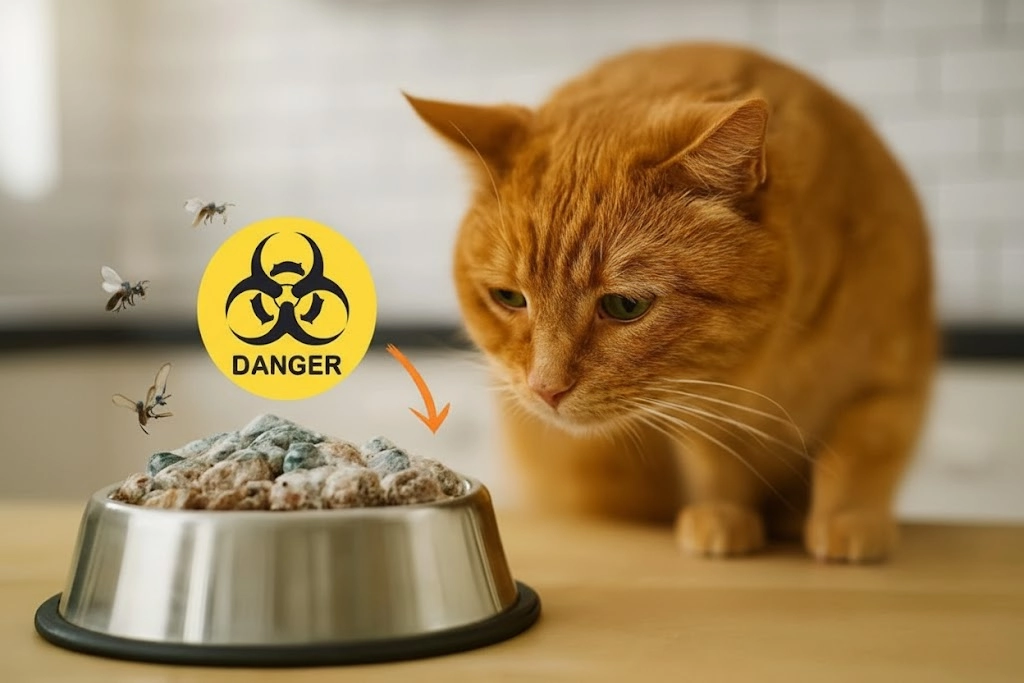
If your pet frequently ignores food that has been sitting in their bowl, it’s a critical sign that the food may have spoiled. Many owners mistakenly believe their pet is just being picky, but stale or contaminated food poses a serious risk to their health. Always check the freshness of uneaten food, as overlooking this detail can endanger your pet’s well-being.
This degradation process is the primary reason proper storage is a non-negotiable part of pet care. Kibble contains essential fatty acids and vitamins that begin to break down the moment the bag is opened and exposed to oxygen, a process called oxidation. Oxidation turns healthy fats rancid, destroying vital nutrients and leading to a stale, unappealing flavor that your pet may refuse to eat.
Beyond flavor, moisture and humidity pose a threat by encouraging the growth of harmful mold or bacteria, which can cause serious gastrointestinal distress for your pet. Finally, a poor seal doesn’t just let things in; it lets odors out, essentially sending an open invitation to attract pests like rodents and insects, which introduces a severe contamination risk to your pet’s food supply.
Poor storage can lead to:
- Nutrient and flavor loss
- Mold or bacterial growth
- Attracting pests
- Odor contamination
That’s why choosing the right container material is so important.
Comparing Materials: Metal Dog Food Container vs Plastic Pet Food Container
Both vacuum stainless-steel and plastic containers are common choices — but they perform very differently. Let’s look at how they compare in key areas like freshness, safety, cleaning, and sustainability.
Vacuum Stainless-Steel (Metal) Containers
Stainless steel has long been a favorite in kitchens — and for good reason. The high-quality stainless steel canisters are durable, odor-resistant, and easy to keep spotless.
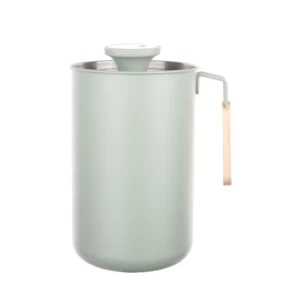
At EasyLife Housewares, we’ve refined that concept with our Vacuum Stainless-Steel Pet Food Container
Our design features an adjustable lid height and an airtight silicone gasket, creating a near-vacuum seal that locks in freshness.
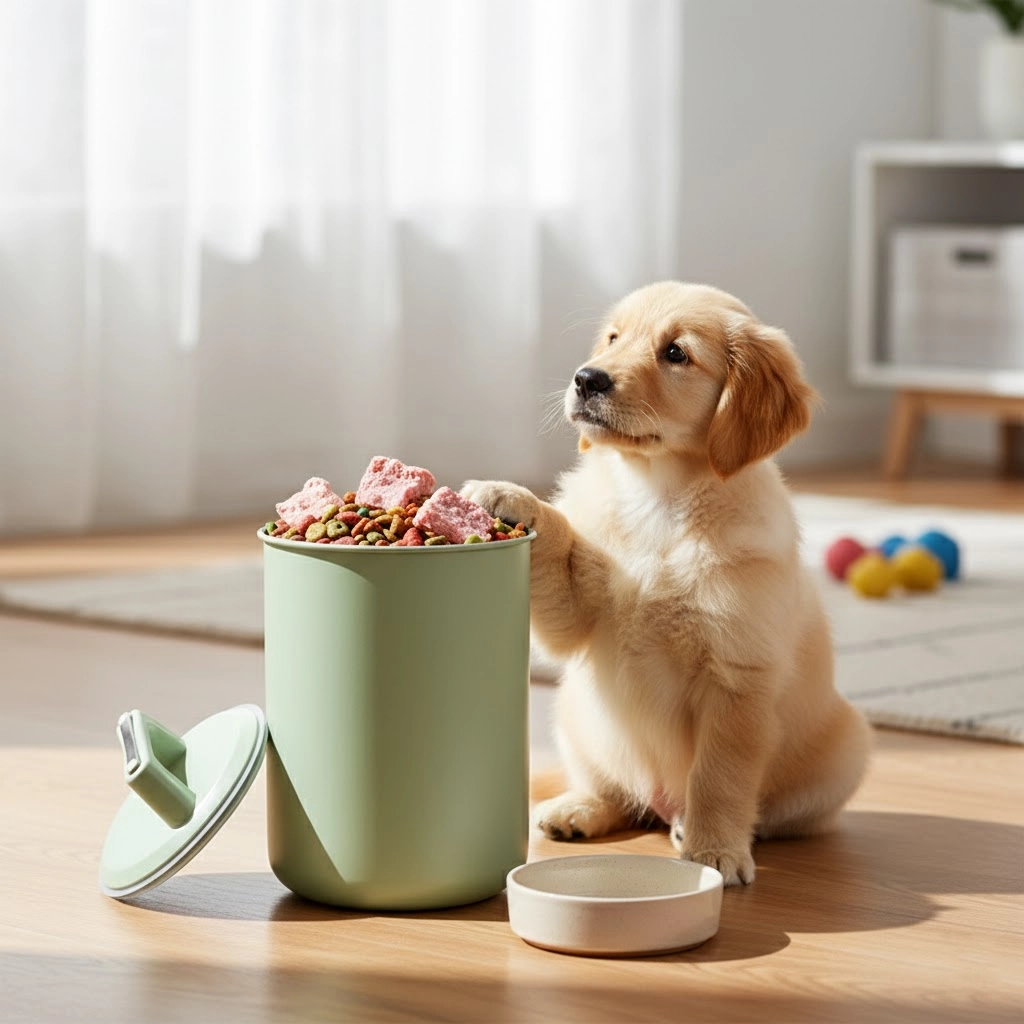
Key Advantages of Stainless Steel Pet Food Containers
- Superior Freshness: Stainless steel inherently blocks air, light, and moisture, which are the main culprits behind spoilage. This blockage significantly slows down oxidation and nutrient loss, keeping the kibble fresher and more palatable for your pet over a longer period.
- Adjustable Storage (Vacuum Feature): The lid is designed to be adjusted in height to meet the level of the pet food inside. This mechanism ensures that the contact with air is reduced to the greatest extent, thereby actively extending the food’s safe storage time.
- Exceptional Durability: Stainless steel canisters are built for years of use, often considered a lifetime purchase. They are dent-proof, corrosion-resistant, and highly robust, making them nearly indestructible compared to plastic.
- Hygienic and Odor-Free: The smooth, non-porous nature of stainless steel prevents the retention of fatty oils and prevents bacterial growth. It does not absorb or retain strong kibble smells, ensuring a neutral environment for the food and keeping your storage area odor-free.
- Easy to Clean: The surface is easy to wipe down and rinses quickly. It does not stain, even with highly pigmented or oily foods.
- Eco-Friendly: Stainless steel is a fully recyclable material. Its exceptional longevity reduces the need for frequent replacement, contributing to less household waste.
- Customizable (for Manufacturers/Brands): The material is highly receptive to powder coating, painting, or brushed finishes. All these aesthetic and functional options are readily available through ODM / OEM services for brand customization.
See how our team tested this product in daily use — read our Employee Trial Report.
Recommended products
Possible drawbacks
- Slightly heavier than plastic: Due to their solid, robust construction, stainless steel containers are inherently heavier, especially in larger capacities.
- Higher initial cost, but lower lifetime cost: Stainless steel containers almost always require a higher initial cost compared to basic plastic alternatives. This reflects the premium nature of the material and the advanced sealing technology (like vacuum features) often included.
Plastic Containers
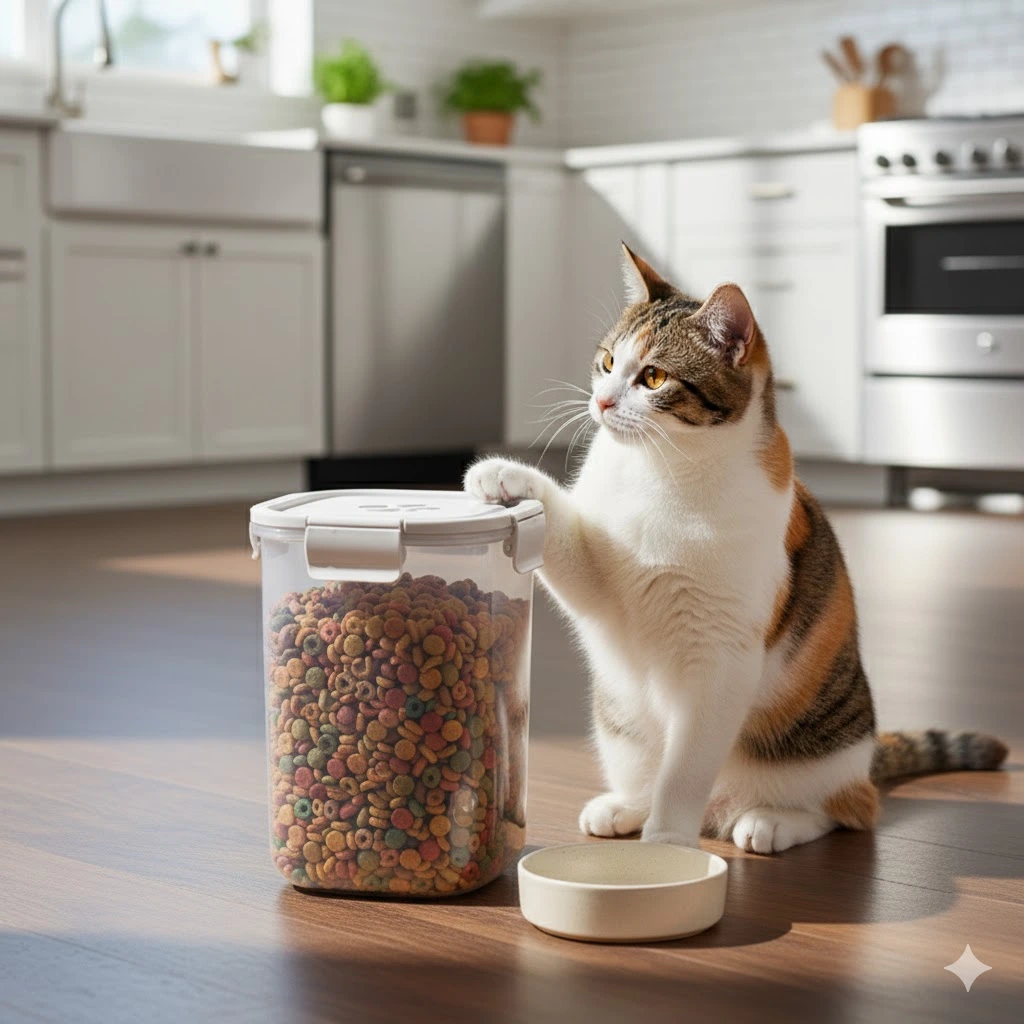
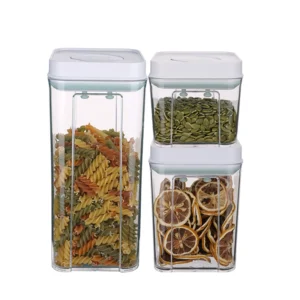
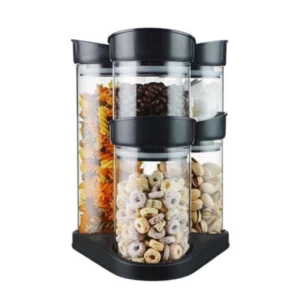
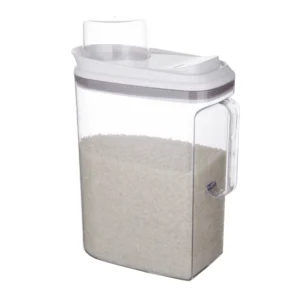
Plastic containers are lightweight and affordable, making them popular for everyday pet food storage. They are easy to lift, maneuver, and pour from, and their wide variety of shapes—including tall, skinny versions and stackable modular units—allows them to fit neatly into tight pantry spaces.
Advantages
- Budget-friendly: Great for first-time pet owners or smaller storage needs.
- Portable: Easy to carry or travel with.
- Versatile designs: Available in many shapes, sizes, and colors; often include wheels or scoops.
Drawbacks
- Less airtight: Air and moisture can seep in if the seal isn’t perfect.
- Odor absorption: Oils and smells can stick to plastic over time.
- Prone to scratches: These can harbor bacteria and stains.
- Not as eco-friendly: Shorter lifespan and limited recyclability.
- Heat sensitivity: Can warp or degrade under sunlight or high temperatures.
Recommended products
Metal vs Plastic: Quick Comparison Table
| Feature | Vacuum Stainless Steel (Metal) | Plastic Containers |
|---|---|---|
| Freshness Protection | ★★★★★ Near-vacuum seal blocks air & moisture | ★★★ Depends on lid quality |
| Durability | ★★★★★ Rust- and dent-resistant | ★★★ May warp or crack |
| Odor Control | ★★★★★ Non-porous surface | ★★ Can retain food odors |
| Cleaning & Hygiene | ★★★★★ Easy, bacteria-resistant | ★★★ Scratches trap residue |
| Portability | ★★★ Slightly heavier | ★★★★★ Lightweight |
| Sustainability | ★★★★★ Long-life, recyclable | ★★ Short-term use |
| Customization (ODM/OEM) | ★★★★★ Powder-coated, painted, branded | ★★★ Many shapes |
| Cost Efficiency (Lifetime) | ★★★★★ Long-term value | ★★★ Low initial cost |
| Best Use | Premium storage, long-term freshness | Every day, travel, and small portions |
Which One Protects Best?
When it comes to long-term freshness, hygiene, and overall food protection, vacuum stainless-steel containers clearly outperform plastic. The non-porous material, combined with an active air-removal seal, creates an unparalleled barrier against the elements that cause rancidity and nutrient loss. This makes the metal container the superior investment for pet owners who buy in bulk or want to ensure the absolute best quality for expensive or sensitive diets.
However, plastic still works well for short-term or portable use where affordability and weight are primary concerns. If you are diligent about using your food within a couple of weeks, a high-quality, airtight plastic container will suffice. But if you’re serious about maximizing your investment by preserving nutrition and taste over weeks or months, the hygienic, airtight seal of a stainless steel canister is the undisputed winner.
Meet EasyLife Housewares’ Vacuum Stainless Steel Pet Food Container
Our Vacuum Stainless-Steel Pet Food Container combines modern design and functional innovation:
- Minimizes Air Gap: This feature allows the lid to sit directly on top of the kibble, regardless of how full the container is. By physically reducing the air space (headspace) within the container, it significantly reduces the food’s contact with oxygen, further inhibiting oxidation and preserving freshness.
- Airtight Silicone Gasket for a Near-Vacuum Seal: A heavy-duty, food-grade silicone gasket lines the lid, creating an impermeable barrier when sealed. It provides an airtight, often near-vacuum, seal that is essential for long-term preservation.
- Powder-Coated, Painted, or Brushed Finishes: While the core material is functional, various external finishes are available to match home decor. This includes a classic brushed stainless steel look, protective powder-coated colors for durability, or smooth painted finishes. These coatings not only enhance the visual appeal but can also add a layer of scratch resistance.
- Suitable for Liquids and Dry Foods: High-quality stainless steel is an inert material that is safe for storing virtually any type of food. The material ensures that the food’s taste, smell, or chemical composition remains unaffected, whether holding dry kibble or moist ingredients.
- OEM / ODM Customization for Branding or Retail Resale: For businesses and retailers, these containers offer extensive options for OEM and ODM customization. This allows for the integration of unique colors, branded logos (e.g., laser etching), specific dimensions, and proprietary lid designs, tailoring the product for mass production and retail resale.
It’s a smart, sustainable solution for dogs, cats, and all kinds of pets — perfect for homes or wholesale customers.
Pet Food Storage Tips
Even the best container performs better with good habits!
According to the FDA’s Pet Food Storage Guidelines and AAFCO, you should:
- Store food in a cool, dry place
- Seal tightly after every use
- Wash regularly before refilling
- Use the “first in, first out” method
- Avoid mixing new and old food
EasyLife Housewares for Wholesale, ODM & OEM
EasyLife Housewares isn’t just a brand — we’re a manufacturer specializing in airtight stainless-steel and glass storage for food, liquids, and pet supplies.
We offer:
- Flexible ODM / OEM services
- Custom branding, coatings, and capacities
- Competitive wholesale pricing
- Global shipping and fast production
Partner with us to bring premium, customizable pet storage products to your market.
Conclusion
In this super debate storm about Vacuum metal dog food container vs. plastic dog food containers, I think stainless steel is better. Because it is more airtight, food safe, moisture-proof, odorless, and even more light-blocking, it slows down the rate of food spoilage. If you want to keep your pet’s meals fresh, healthy, and pest-free for longer, vacuum stainless-steel containers are your best bet.
They deliver the perfect combination of durability, freshness, and sustainability — and they look great doing it.
Because every pet deserves fresh food — and every home deserves EasyLife quality.