In the world of high-volume food distribution and processing, “freshness” isn’t just a marketing buzzword—it’s a financial metric. For procurement managers and wholesalers, the difference between a standard container and a professional-grade airtight vessel can mean the difference between a successful product launch and a warehouse full of spoiled inventory.
This guide explores the engineering, material science, and logistical advantages of airtight storage to help you make informed decisions for your supply chain.
What is An Airtight Container?
At its most fundamental level, an airtight container is a specialized storage vessel engineered with a hermetic seal to prevent the exchange of gases (like oxygen) and moisture between the internal contents and the external environment. For the B2B sector—including food processors, wholesalers, and large-scale distributors—an airtight container is more than just “closed.” It is a precision-engineered tool designed to maintain a specific internal atmosphere, measured by its Oxygen Transmission Rate (OTR). By creating a barrier against oxidation and humidity, these containers act as the primary defense against food spoilage, flavor degradation, and financial loss in the supply chain.
The Science of Freshness: Why Airtight Matters
In a commercial setting, “freshness” is a measurable financial metric.
- Oxidation Control: Oxygen is the primary catalyst for lipid oxidation (fats turning rancid) and enzymatic browning. Professional containers starve aerobic bacteria and molds of the oxygen they need to thrive.
- Aroma Integrity: For high-value goods like roasted coffee or ground spices, an airtight seal prevents “flavor migration.” It ensures volatile oils stay inside the product and don’t cross-contaminate other goods in your warehouse.
- Moisture Management: This involves controlling the Moisture Vapor Transmission Rate—keeping humidity out of dry goods (like flour or sugar) to prevent clumping, while keeping moisture inside prepared meals to prevent dehydration.
You can imagine the following scenario: A wholesale bakery storing bulk nuts. In a standard bin, the high fat content in walnuts would turn rancid within weeks due to oxygen exposure. In a professional airtight container with a silicone seal, the shelf life is extended by months, allowing for larger bulk-buy discounts.
What Are the Differences Between Airtight and Non-Airtight Food Containers?
The distinction lies in manufacturing precision and the engineering of the “mating surfaces” where the lid meets the base.
- Engineering Tolerances: Standard retail containers often have a rim variance of up to 0.5mm. Professional-grade airtight containers are molded with tolerances as tight as 0.05mm, ensuring a perfect friction fit.
- Wall Density & Permeability: An airtight container often utilizes higher-density polymers (like heavy-duty Polypropylene). This prevents gas molecules from diffusing through the plastic walls—a process called “gas permeation” that occurs in cheaper, thinner containers.
- Closure Force: Non-airtight containers rely on a simple snap. Airtight versions utilize mechanical advantage (hinges or twists) to physically compress a gasket into the gap.
Airtight Containers vs. Leak-Proof Containers: What’s the Difference?
A common mistake in procurement is assuming a leak-proof container is automatically airtight. This is a dangerous assumption for dry goods.
Molecular Physics: A water molecule is significantly larger than an oxygen molecule. A seal can be tight enough to hold liquid via surface tension but still allow oxygen to seep in at a microscopic level.
The “Altitude Test”: If you ship a leak-proof (but not airtight) container via air freight, the pressure change can cause the lid to “breathe,” drawing in moist air that ruins the product inside. A truly airtight container maintains its internal pressure.
Such as storing soup versus storing crackers. A “leak-proof” container is fine for soup (liquid won’t escape), but for crackers, you must have an airtight seal. Otherwise, the crackers will absorb atmospheric moisture and turn soft, even if the container never leaks a drop of water.
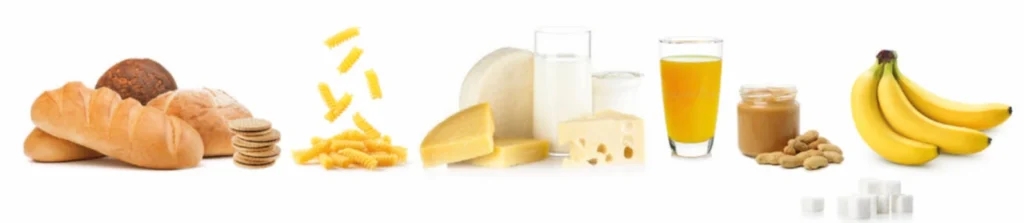
| Food Category | Example Item | Primary Need | Why? (The Practical Reason) |
| Hygroscopic Dry Goods | Crackers, Cereal, Wafers | Airtight | These items “pull” moisture from the air. Without an airtight seal, they turn soft and stale within 48 hours, even if kept dry. |
| High-Liquid Items | Soups, Broths, Purees | Leak-Proof | The priority is preventing mess and cross-contamination during transit. Oxygen exposure is less of a concern for short-term transport. |
| High-Fat / Oily Goods | Walnuts, Coffee, Spices | Airtight | Fats turn “rancid” when they touch oxygen (oxidation). An airtight seal keeps the flavor profile sharp and prevents the oils from smelling like the warehouse. |
| Fresh Cut Produce | Diced Melons, Pineapple | Both | You must keep the juices inside (leak-proof) while preventing the fruit from turning brown (airtight/oxidation control). |
| Fermented Foods | Kimchi, Sauerkraut | Both | Leak-proof prevents brine leaks; Airtight prevents the strong fermentation odors from filling the delivery truck or storage room. |
The Science of the Seal: What Truly Makes a Container Airtight?
The “seal” is the single point of failure. B2B buyers should look for these three architectures:
Platinum-Cured Silicone Gaskets: Unlike standard rubber, silicone has high “compression set” memory. If you store a container closed for six months, the silicone will bounce back to its original shape when opened, ensuring the next seal is just as tight.
4-Way Locking Hinges: These apply even, vertical pressure across the entire perimeter of the lid. This prevents “lid bowing,” where the center of a long lid lifts slightly, breaking the seal.
Vacuum-Assist & Degassing Valves: Specialized for goods that emit gases (like roasted coffee) or require a negative-pressure environment to maximize shelf life.
Sustainability & The Circular Economy (The 2026 Mandate)
Sustainability in 2026 is about durability over disposability.
Life Cycle Assessment (LCA): One professional-grade PP container can replace 500+ single-use bags. The environmental “break-even” point for a high-quality airtight container is usually reached within the first 10 cycles.
The “Food Waste” GHG Factor: 10% of global greenhouse gases come from food waste. By using airtight storage to prevent spoilage at the warehouse level, B2B companies directly lower their Scope 3 emissions.
Regulatory Readiness: Our designs focus on 100% recyclability to meet the latest PPWR (Packaging and Packaging Waste Regulation) standards.
Best Materials for Airtight Food Containers
Selecting the right material is not just about cost; it’s about the chemical compatibility between the container and the specific food product. Choosing the wrong material can lead to “leaching,” “crazing” (micro-cracks), or total seal failure.
1. Polypropylene (PP): The High-Volume Workhorse
PP is the industry standard for reusable wholesale containers due to its balance of durability and thermal resistance.
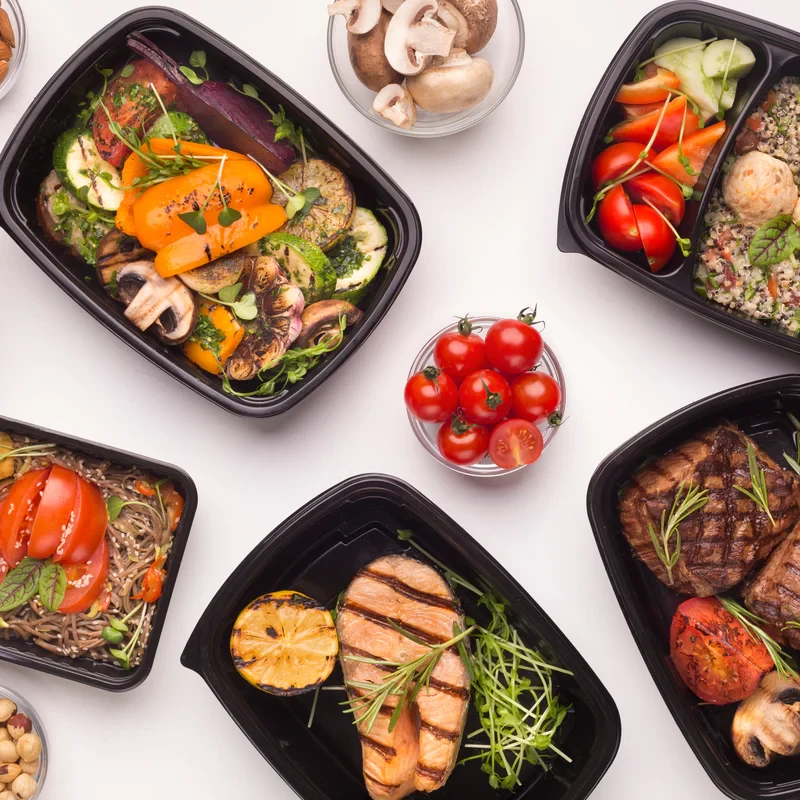
The Science: It is a “living hinge” material, meaning the locking tabs can be flexed thousands of times without snapping.
Industrial Application — Centralized Meal Prep: Because PP is stable up to 110°C, it is the only choice for “Cook-Chill” operations. It allows food to be hot-filled, blast-chilled, and later re-heated in the same container without warping the airtight rim.
Best For: Prepared salads, bulk grains, and microwaveable ready meals.
2. Borosilicate Glass: The Inert Powerhouse
Unlike standard soda-lime glass, borosilicate contains boron trioxide, allowing it to withstand extreme temperature swings.
The Science: It has a near-zero “leaching” rate, making it the most chemically inert material available. It will not absorb pigments or acidic odors.
Industrial Application — Artisanal Sauces & Fermentation: For wholesalers of high-acid products like Kimchi, Sauerkraut, or concentrated Vinegar sauces, glass is essential. Plastics can absorb the pungent aromas of fermentation, rendering the container unusable for other products. Borosilicate ensures that a batch of spicy sauce doesn’t “ghost” its flavor into the next batch of mild ingredients.
Best For: Premium retail displays, high-acid condiments, and laboratory-grade ingredient samples.

3. 304/316 Stainless Steel: The UV & Impact Shield
For heavy-duty industrial environments, stainless steel offers a “total barrier” that no transparent material can match. This is also the main material of our star series, the stainless steel vacuum coffee bean storage canisters.
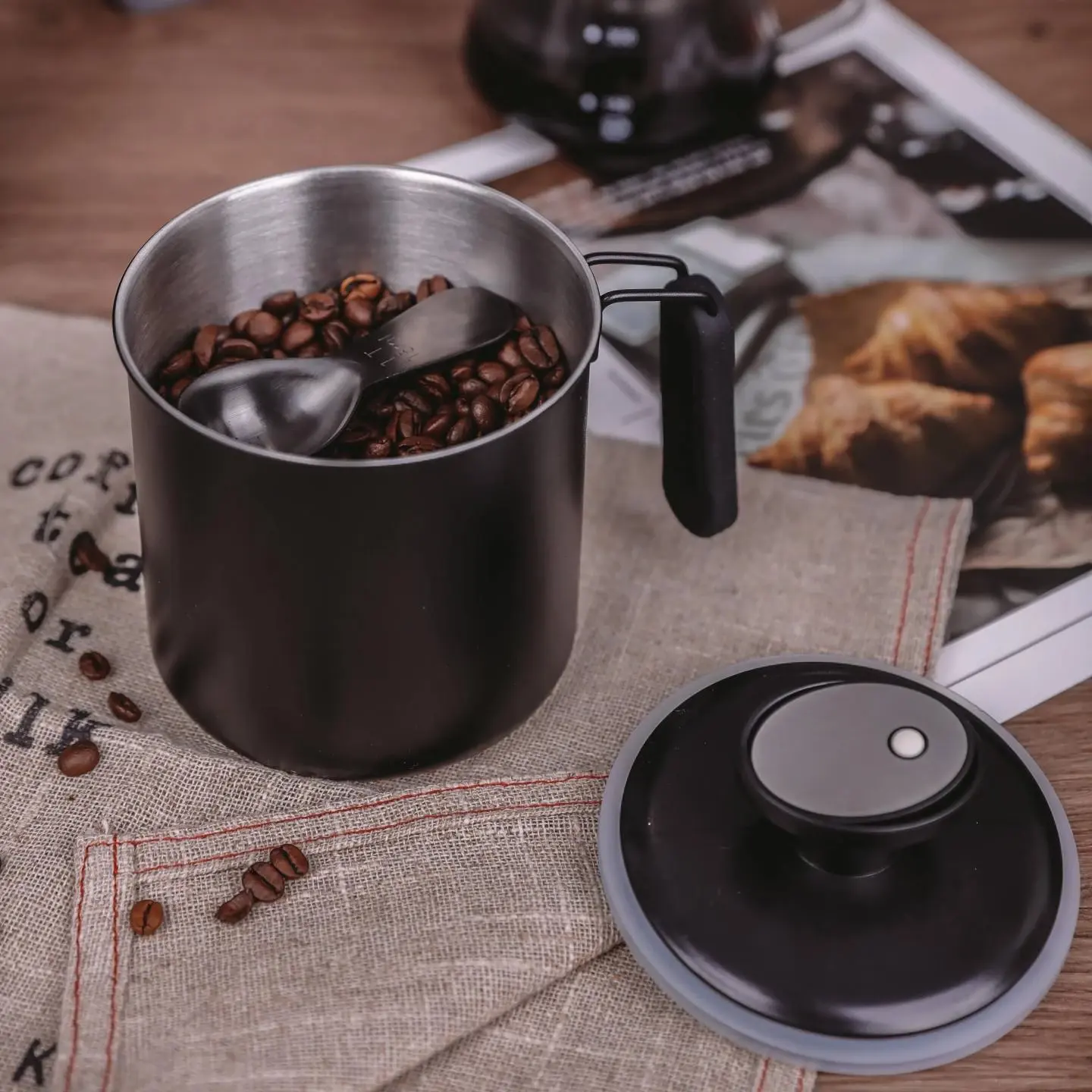
The Science: It provides 100% opacity, blocking all UV and ambient light, which causes photo-oxidation (the breakdown of vitamins and nutrients).
Industrial Application — Essential Oils & Cold-Pressed Juices: Light-sensitive ingredients, such as extra virgin olive oil or cold-pressed juices, degrade rapidly when exposed to warehouse lighting. Stainless steel airtight canisters prevent both oxygen and light from reaching the product, maintaining the “premium” antioxidant profile required by high-end buyers.
Best For: Volatile oils, spices, coffee beans, and dairy-based powders.
4. Tritan™ / Polycarbonate: The “Glass-Look” Safety Alternative
Tritan™ is a BPA-free copolyester that offers the clarity of glass with the impact resistance of heavy-duty plastic.
The Science: It has a high “Izod impact strength,” meaning it won’t shatter if dropped on a concrete warehouse floor.
Industrial Application — High-Traffic Commercial Kitchens: In busy environments where glass is a safety hazard (OSHA/HACCP regulations), Tritan™ provides the visibility needed for instant inventory checks. Chefs can see the exact level of ingredients from across the room without opening the container and breaking the airtight seal.
Best For: Front-of-house displays, dry pasta, nuts, and high-end catering.
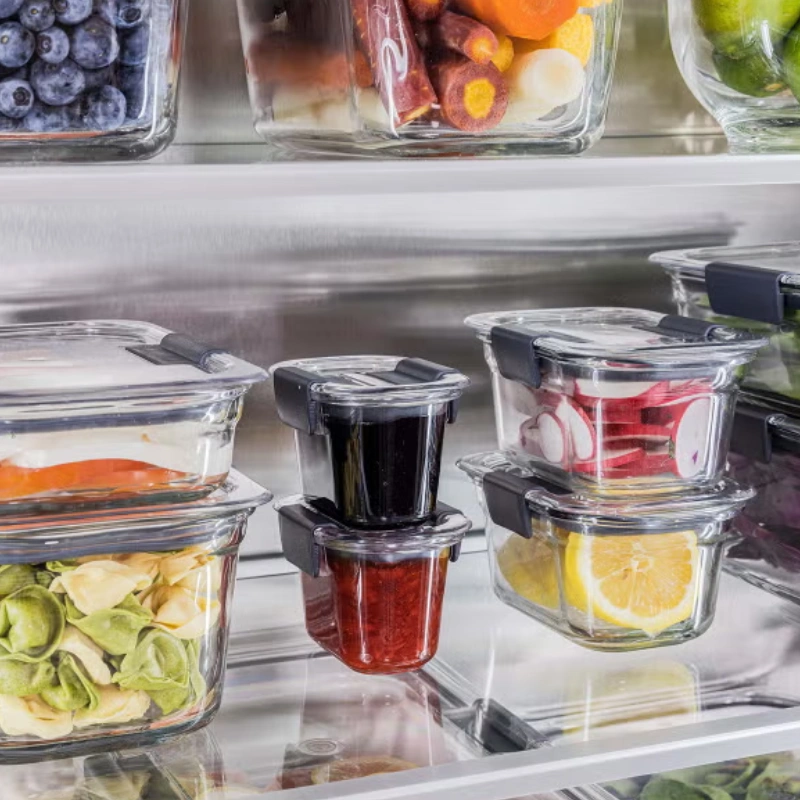
Comparison and Summary Table of Various Materials
| Material | OTR (Oxygen Barrier) | UV Protection | Thermal Shock | Relative Wholesale Cost | Best Practical Use |
| Polypropylene (PP) | Moderate | Poor | Excellent | $ (Economical) | Bulk prep & microwave |
| Tritan™ / PC | Moderate | Poor | Moderate | $$ (Mid-Range) | High-visibility dry storage |
| Borosilicate Glass | Excellent | Poor (unless amber) | Excellent | $$$ (Premium) | Fermented & acidic foods |
| Stainless Steel | Absolute | Absolute | Moderate | $$$$ (High Investment) | Volatile oils & spices |
Pro Tip for Buyers: While Stainless Steel has the highest initial cost, its Life Cycle Assessment (LCA) value is the highest because it is virtually indestructible. For high-turnover inventory, PP offers the best ROI (Return on Investment) due to its low unit cost and stackability.
How to Choose Airtight Containers for Wholesale Food Packaging
For a wholesaler, the “best” container is the one that optimizes the Total Cost of Ownership:
- Volumetric Efficiency: B2B containers should be “square-round” or rectangular. Round containers lose 25% of pallet space due to the gaps between them. Rectangular designs maximize “cube utilization” in shipping containers.
- Nesting Ratios: When empty, containers should nest deeply. A 3:1 nesting ratio means you can store three times the inventory in the same warehouse footprint.
- Industrial Sanitization: Ensure the material is rated for 80°C+ commercial dishwashers. Lower-grade plastics will warp, ruining the airtight fit after the first wash cycle. Our structural engineers and design departments often conduct high-temperature tests and dishwasher tests on products to ensure that the products you get meet quality requirements.
- Compliance Auditing: Request ASTM D3078 (Standard Test Method for Determination of Leaks in Flexible Packaging by Bubble Emission) to verify actual seal performance.
Conclusion
In the high-stakes world of food wholesaling and distribution, an airtight container is far more than a simple storage vessel—it is a line of defense for your bottom line. As we have explored, the difference between a “closed lid” and a “hermetic seal” can be measured in extended shelf life, preserved brand reputation, and significantly reduced inventory waste.
Choosing the right solution requires balancing material science, logistics, and sustainability. By understanding the nuances between leak-proof and airtight performance, B2B buyers can optimize their supply chain for any environment, from local kitchens to international air freight.
Don’t leave your product integrity to chance. Contact our technical consulting team today to request a custom Material Performance Audit or to receive a Wholesale Sample Kit to test our seals in your own facility.