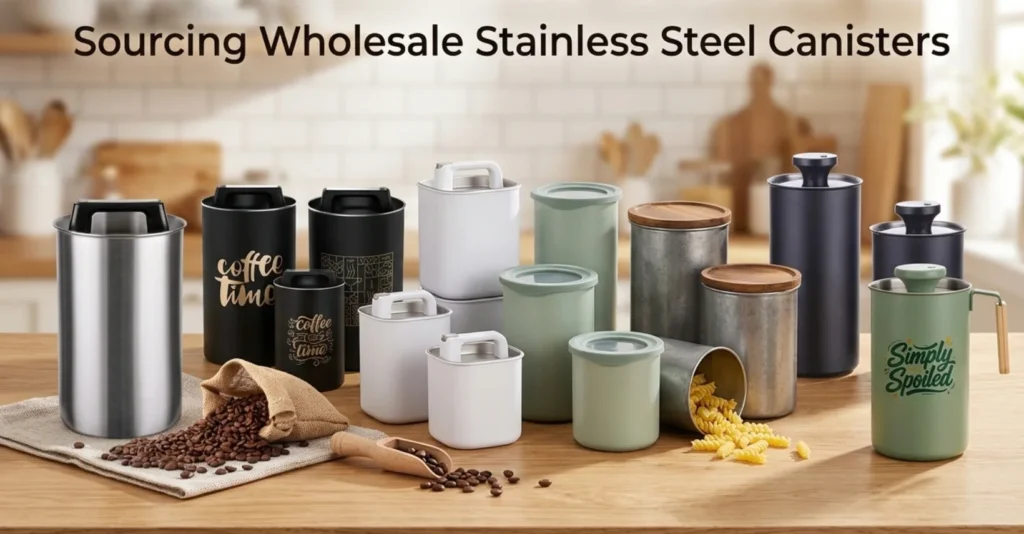
Stainless steel canisters have become a staple across modern kitchens, coffee corners, and home organization aisles. Compared with glass or plastic, metal canisters offer a clean, durable look and protect dry pantry goods from light and everyday kitchen wear. For wholesalers, retail buyers, and private-label brands, sourcing them well comes down to getting a few practical details right before production begins—such as alloy grade, seal design, sizing, finish, and compliance paperwork.
At EasyLife Housewares, we work closely with global retail buyers, importers, and brand owners on wholesale stainless steel canisters solutions. Drawing from our day-to-day manufacturing and sourcing experience, this guide outlines the main factors to review when planning a wholesale stainless steel canister order.
Choosing the Right Stainless Steel Grade: 201, 304, and 316
When comparing quotes for wholesale stainless steel canisters, material grade is one of the first things to clarify. Two canisters can look similar at a glance while using different steels, which affects both unit cost and long-term performance.
- 201 Stainless Steel: Often the most budget-friendly option. It can be suitable for dry indoor environments or short-term promotional programs where specs are clearly stated, though it has lower corrosion resistance in damp or coastal conditions and may not fit every retailer’s food-contact policy.
- 304 Stainless Steel: Widely used as a dependable standard for food-contact containers. It offers stronger resistance to moisture and everyday wear than 201 and aligns well with common food-contact frameworks such as FDA, LFGB, and EU 1935/2004.
- 316 Stainless Steel: Adds molybdenum for higher resistance to chlorides, salt, and acidic substances. It is useful for salty or acidic contents and marine environments, though often more than needed for standard dry pantry storage.
When deciding between grades, consider your target market’s climate, shipping route (especially long sea transit through warm, humid regions), what customers plan to store inside, and your brand positioning. (To learn more about material differences across kitchenware, see our 304 vs. 316 stainless steel comparison guide).
Lid Structures and Seal Performance
A canister is only as practical as its lid in daily use. Buyers often look at how easily shoppers can open and close the container, how well it keeps out moisture or odors, and how the sealing parts hold up over time.
Common lid options include:
Snap-Lock Lids with Silicone Gaskets: Side clips press the gasket against the rim for a straightforward seal. They are familiar to everyday shoppers, though clips and gaskets should be checked for smooth tension and durability.
Threaded (Screw) Lids: A screw mechanism applies steady pressure around the opening. They are popular for coffee, tea, and longer-term pantry storage where a snug seal is valued over quick one-handed flipping.
Silicone Plug / Stopper Lids: A removable silicone plug creates the seal. This style is simple and compact, though end users should keep track of the plug during frequent refilling.
Valve or Adjustable Seal Lids: Designs with a one-way valve or dial-adjusted seal are often used in coffee or specialty storage lines to manage air or seal pressure.
During sampling, it helps to inspect gasket elasticity, test how smoothly the lid opens and closes, and check whether replacement gaskets are available if a brand wants to support longer product life. You can explore more styles in our airtight food container lid mechanisms overview.
Capacity Planning and Assortment Mix
Most shoppers buy canisters in sets or complementary sizes rather than a single isolated piece. Planning your capacity ladder around real household habits and store display dimensions helps keep inventory balanced.
- Small sizes (around 350 ml – 800 ml): Practical for spices, loose tea, coffee beans, nuts, and baking staples, and easy to fit on compact shelves or countertops.
- Medium sizes (around 1.5 L): A versatile core size for flour, sugar, grains, or pasta on standard kitchen shelves.
- Large sizes (around 2.5 L – 5 L): Useful for bulk dry goods, rice, or pet food, though it is always smart to check shelf height clearance and display placement ahead of time.
Many retail buyers pair smaller and medium sizes—which often see steady, frequent turnover—with a smaller share of larger sizes that lift basket value, then adjust ratios after initial sales feedback.
Recommended products
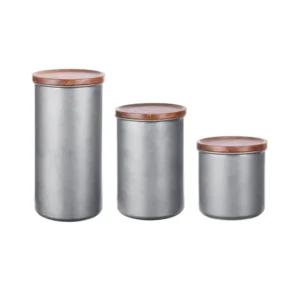
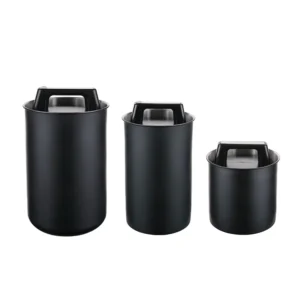
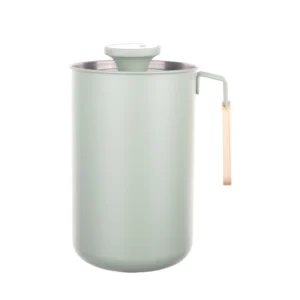
Surface Finishes and OEM/ODM Customization
Surface finish shapes both first impressions and how a canister looks after weeks of handling in a store or home.
- Brushed Finish: Softens minor fingerprints and light everyday marks, making it a practical, low-maintenance choice for general kitchen lines.
- Mirror Polish: Gives a bright, reflective look that stands out visually, though fingerprints show more readily on open displays.
- Matte Powder-Coated Finish: Offers rich color options and a modern look well suited to coordinated kitchen palettes, with clean edge protection helping preserve the coating during shipping.
For private-label and custom projects, EasyLife Housewares supports OEM and ODM options including laser engraving or silk-screen logo application, custom color matching, and retail-ready packaging—such as color boxes, gift sets, or protective inner dividers—tailored to your channel.
Compliance, Quality Checks, and Ordering Basics
Smooth wholesale sourcing usually comes down to clear specs before mass production starts:
Documentation and Testing: Confirm food-contact test reports (such as FDA, LFGB, or EU 1935/2004 depending on your destination market) and mill certificates where applicable, and make sure model numbers on documents match your order details.
Packaging and Transit Care: Individual protective bags, layer dividers, and moisture control inside master cartons help prevent scuffs and dampness during ocean transit.
Samples, MOQ, and Lead Times: Approve a pre-production sample first, confirm minimum order quantities (and whether mixed-SKU trial options are available for your lineup), and work backward from your target launch window to account for sampling, production, QC, and shipping.
Conclusion
A strong stainless steel canister line balances practical materials, reliable lid sealing, well-proportioned sizes, and finishes that fit your target customers. Taking time to align on these basics early makes quoting, sampling, and scaling much smoother.
If you are planning a new collection or reviewing suppliers, the EasyLife Housewares team can help you compare specifications, share catalog options, or arrange a sample and spec sheet for your market. Reach out to us to get started.