Nothing transforms a kitchen faster than opening your fridge or pantry to find neat, clearly organized, and perfectly preserved ingredients. Beyond the satisfying aesthetic, high-quality food bulk storage containers are the silent workhorses of everyday cooking—saving you money, reducing stress, and drastically cutting down on food waste.
With new materials, smarter seal technology, and sleek designs hitting the market in 2026, finding the right setup for your home can feel overwhelming. Whether you are prepping meals for the week, organizing pantry staples, or packing leftovers, this comprehensive guide will help you build your ideal storage collection.
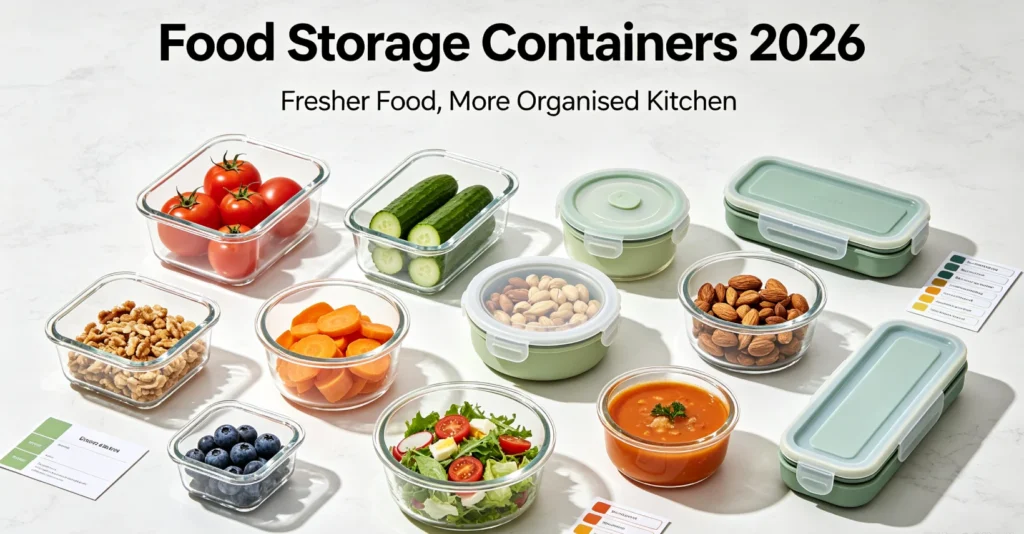
Why Quality Food Storage Containers Matter for Your Kitchen
Investing in well-made storage containers pays off far beyond simple neatness.
Extends Shelf Life & Preserves Flavor: Inferior lids let air and moisture creep in, leading to stale snacks, freezer-burnt meats, and wilted produce. Hermetic, airtight seals lock in nutrients, texture, and taste.
Saves Money & Reduces Food Waste: According to global sustainability studies, the average household throws away hundreds of dollars in spoiled food every year. Proper containment keeps ingredients fresh twice as long, ensuring food gets eaten instead of tossed.
Maximizes Space & Efficiency: Standardized, stackable containers turn chaotic, deep cabinets into accessible storage hubs, making meal prep smoother and cleanup faster.
Health & Safety: Modern, food-grade containers ensure harmful chemicals like BPA, phthalates, and microplastics don’t leach into warm soups or acidic sauces.
Key Factors to Consider When Buying Food Bulk Storage Containers
Before buying a matching set, evaluate how you plan to use them based on these core criteria:
Material: Glass vs. Plastic vs. Stainless Steel
- Borosilicate Glass: Oven-safe, stain-resistant, non-porous, and perfect for reheating meals. However, it is heavier and prone to chipping if dropped.
- BPA-Free Plastic (Tritan/PP): Lightweight, shatterproof, and budget-friendly. Ideal for work lunches and family meals, though lower-grade plastics can absorb stains from tomato-based sauces over time.
- Stainless Steel: Extremely durable, lightweight, and non-toxic. Great for dry snacks, meal prep, and cold foods, though not suitable for the microwave.
Seal Mechanisms & Airtight Security
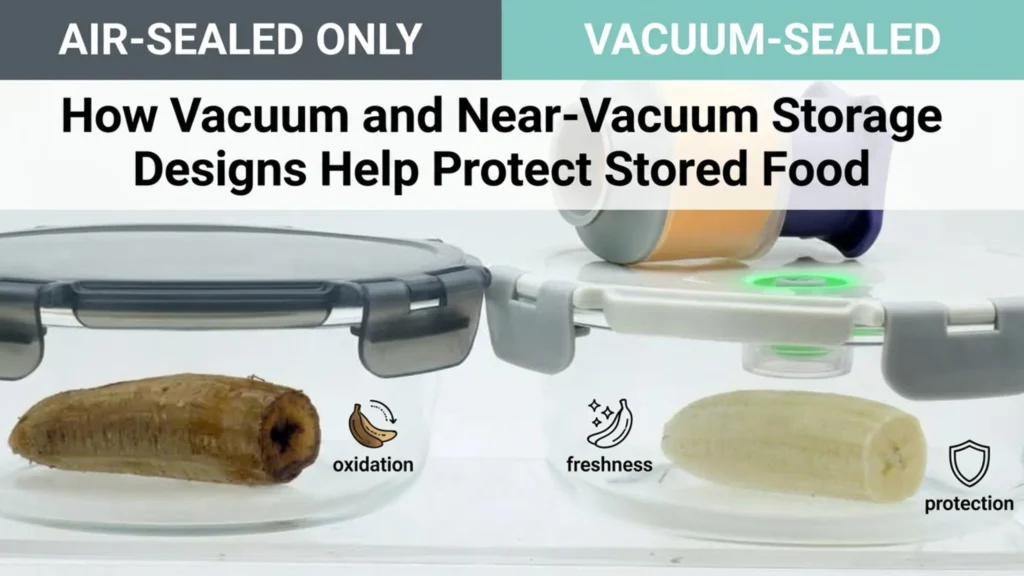
Look for double-lip silicone gaskets coupled with 4-hinge locking side clips for liquids (soups, stews, sauces). For dry pantry goods like flour or coffee, vacuum-pump mechanisms or push-button pop seals offer superior protection.
Size, Shape & Stackability
- Square and Rectangular: Maximize edge-to-edge shelf space without wasted “dead zone” corners.
- Round: Better for liquid circulation, mixing, and heating soups evenly in the microwave.
- Modular Designs: Nesting sets save cabinet space when empty, while standardized lids eliminate the hassle of hunting for matching covers.
Appliance Compatibility
Check the manufacturing icons on the bottom of the container. Ensure they are explicitly labeled as microwave-safe, dishwasher-safe, freezer-safe, and oven-safe according to your routine.
Our Top Food Storage Container Recommendations for 2026
We have rounded up reliable options covering different materials, budgets and living situations to help you narrow your shortlist.
Best Glass Food Storage Containers for Meal Prep
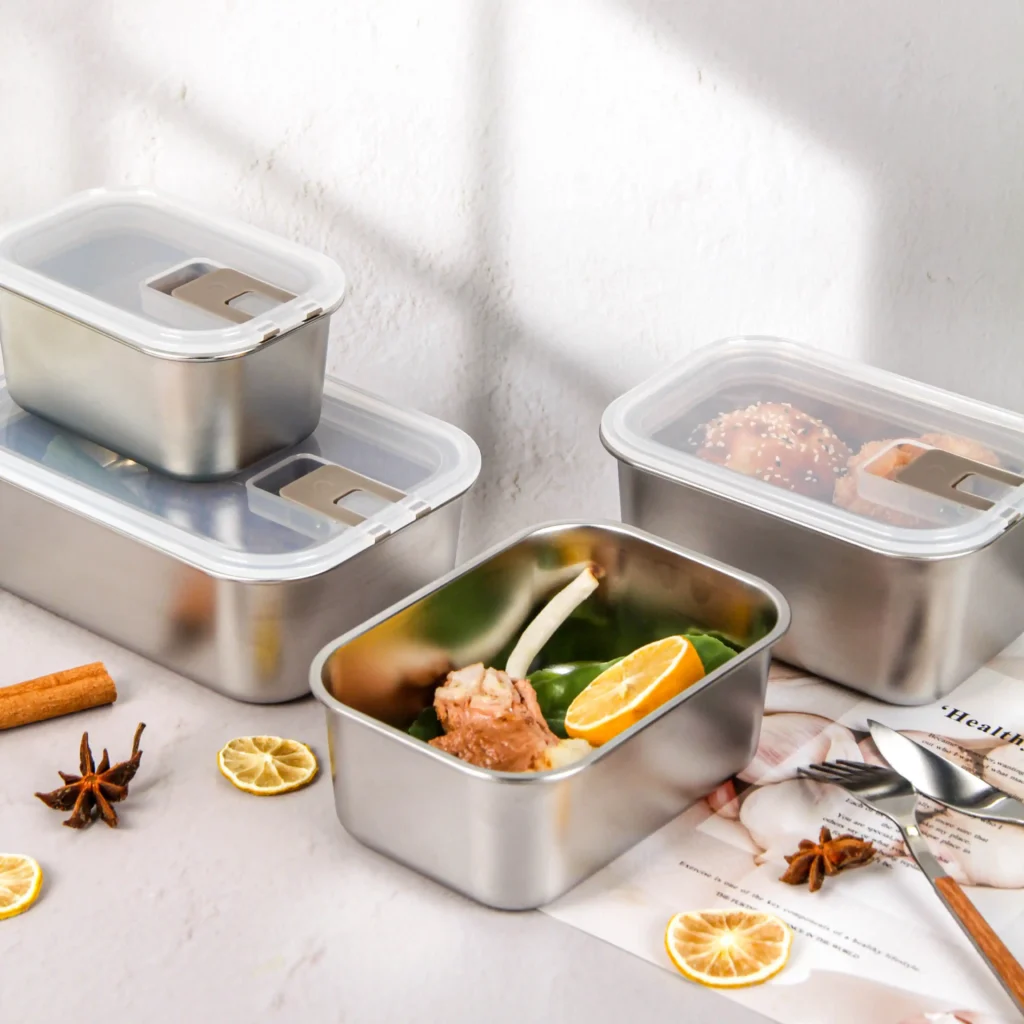
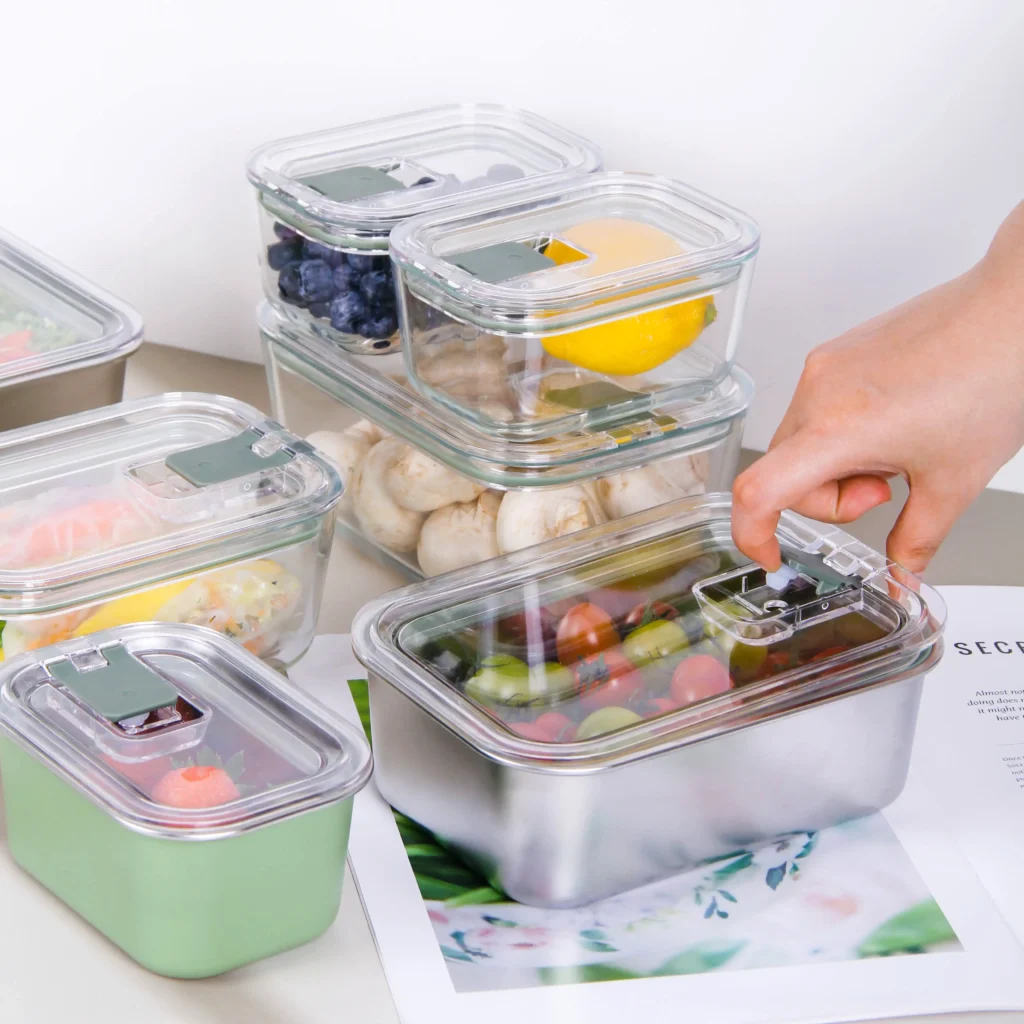
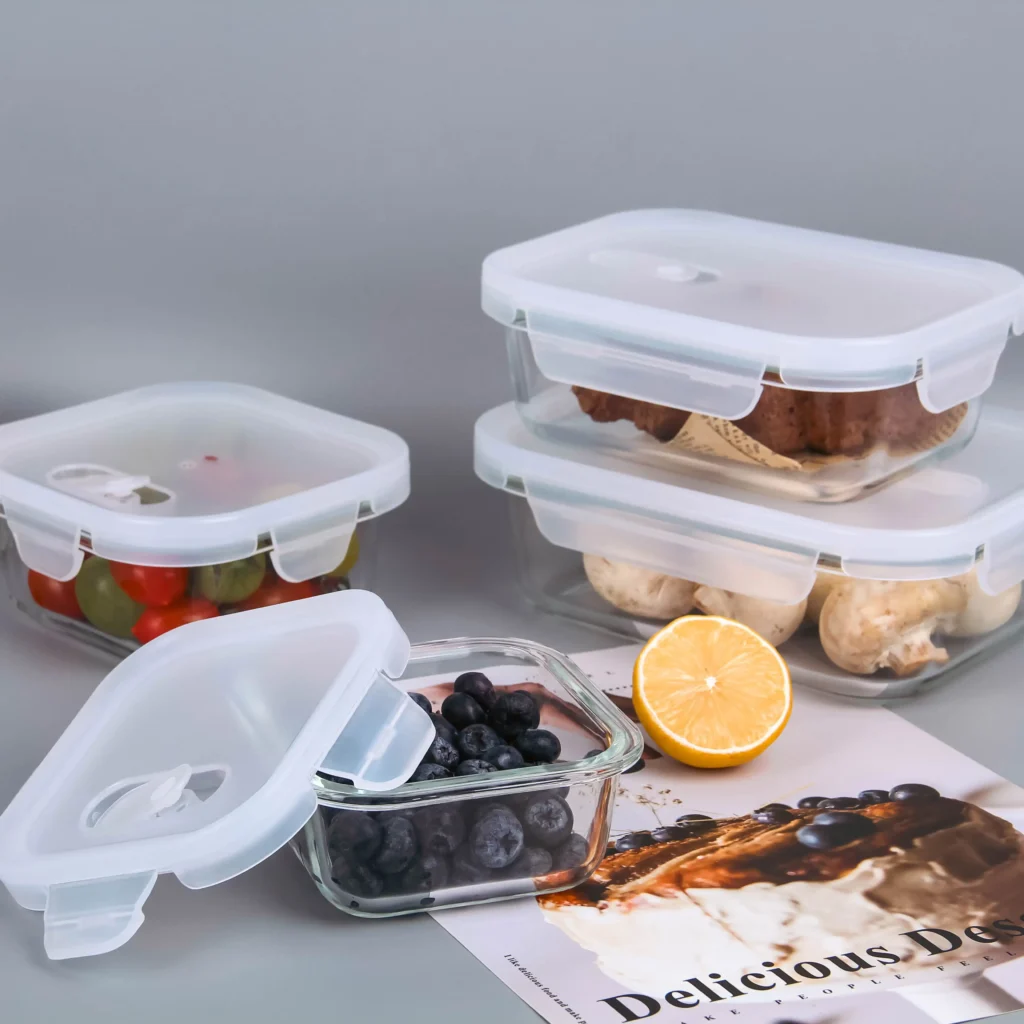
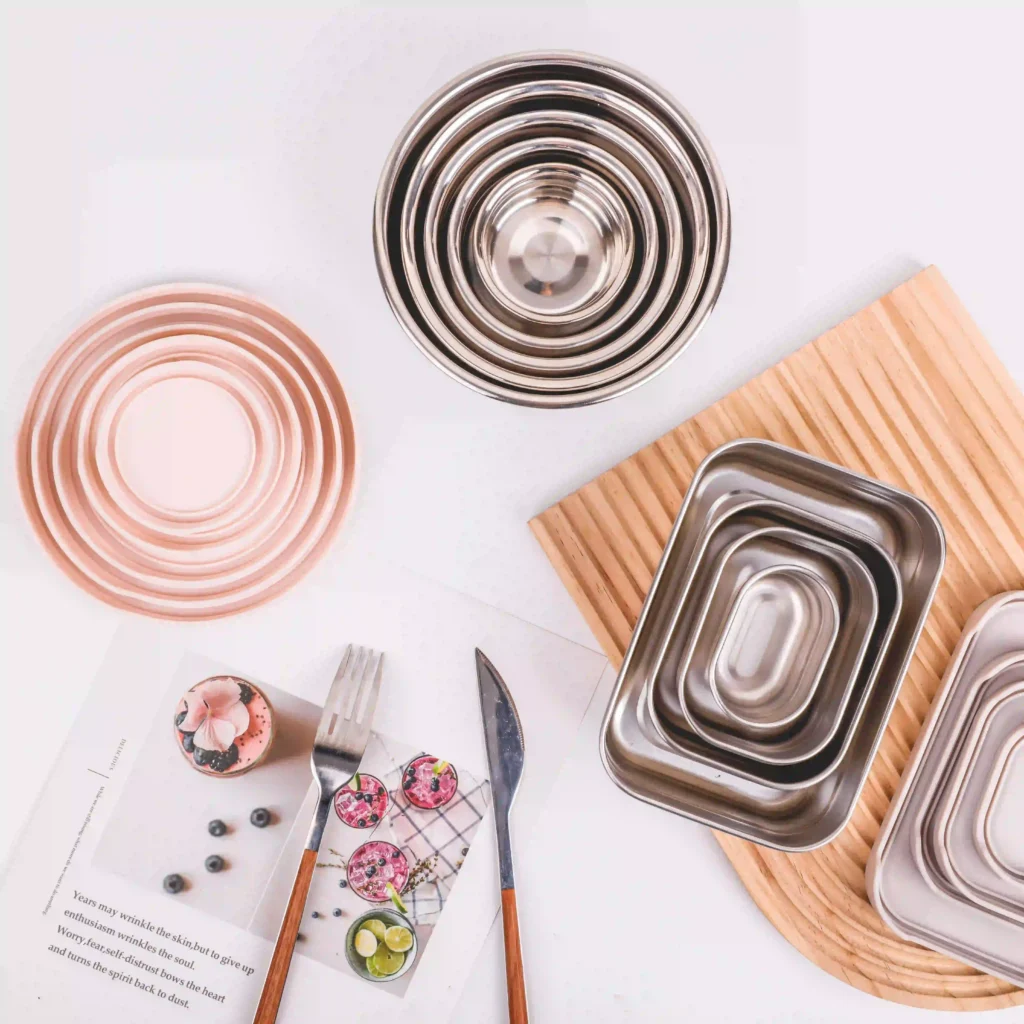
Glass containers shine for meal-prep enthusiasts. Borosilicate glass tolerates reheating well, resists staining from tomato-based or curry dishes, and will not absorb persistent food smells. Rectangular glass sets stack neatly inside fridges. Keep in mind glass adds weight; these are less ideal for tossing into backpacks on-the-go. Therefore, we have also introduced stainless steel models. These models effectively reduce the weight, and it is also convenient to stack them together to save space.
Best All-Round Plastic Set for Family Daily Use
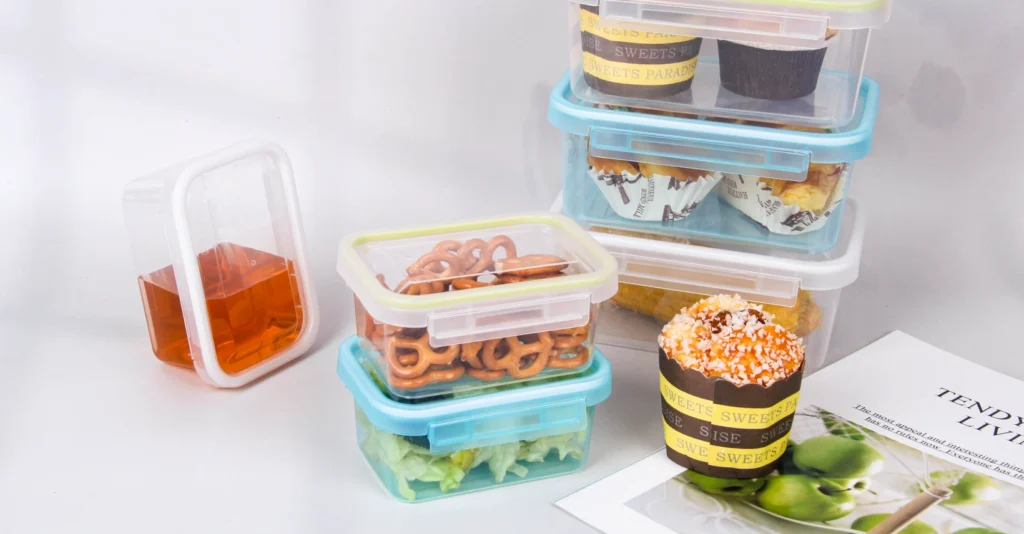
Sturdy clip-tight plastic container sets remain the workhorse for most UK homes. Robust clip lids deliver consistent sealing, generous-capacity rectangular models handle big batch cooking, and sets with multiple sizes cover everything from Sunday roast leftovers to packed lunches. Look for BPA-free food-grade plastic, dishwasher and freezer-safe. Perfect for families with children or households that regularly batch-cook meals.
Best Budget-Friendly Disposable & Reusable Tub Options
For occasional large-event cooking, catering or short-term storage, lightweight plastic tubs with matching lids offer excellent value. Many are reusable for several cycles before recycling. These are a smart supplementary choice rather than your primary daily kitchen storage solution.
Best Eco-Friendly Silicone-Based Storage Solutions

Reusable silicone pouches and collapsible tubs cut single-use plastic consumption. They are wonderful for fruit, salad ingredients and cold snacks. Note most silicone options have limits for microwave high-heat cooking, so check manufacturer guidance before reheating hot food.
Best Compact Containers for Small-Space Kitchens
Flat-profile, nestable container sets are made for studio flats and compact kitchens. When empty they nest together to occupy minimal cupboard room, while still offering airtight performance for everyday food storage. Prioritise rectangular shapes over round ones, as they use fridge shelf space more efficiently.
Pro Tips to Maximise Freshness & Keep Your Kitchen Tidy
How to Arrange Containers Inside Your Fridge & Cupboards
Group containers by size and usage frequency. Store frequently used medium-sized sets at eye level in the fridge and easy-reach cupboard zones. Keep large deep containers for batch cooking on lower shelves, and small snack containers on upper fridge tiers. Empty nested sets should be stored together to avoid missing lids and mismatched parts.
Cleaning & Maintenance to Extend Container Lifespan
Clean containers immediately after use to avoid stubborn stains and odour buildup. Remove silicone seals for thorough cleaning, as food residue often hides in gaps. Avoid using abrasive sponges on plastic surfaces to prevent scratches that harbour bacteria. Glass containers can be deep cleaned with warm soapy water to maintain their clear finish.
The “First In, First Out” (FIFO) Rule
Always place newly bought groceries or fresh leftovers behind older ones so nothing gets forgotten in the back of the fridge.
Label and Date Everything
Keep a roll of painter’s tape and a permanent marker (or dry-erase labels) in your kitchen drawer. Marking the prep date eliminates guesswork.
Master Produce Storage
Do not wash fresh berries or green leafy veggies until right before eating—moisture breeds mold. Line your containers with a dry paper towel to absorb excess condensation.
Cool Foods Before Sealing
Placing piping hot food directly into a sealed glass container builds steam, causing internal condensation that makes food soggy and accelerates spoilage.
FAQ About Food Storage Containers
Is glass truly safer than plastic for storing food?
Glass is completely inert, meaning it won’t leach chemicals, absorb food odors, or discolor over time—making it the safest choice for hot foods and long-term storage. However, high-quality BPA-free Tritan plastic is equally safe for cold foods, lightweight, and won’t shatter if dropped.
Can I put glass containers straight from the freezer into the oven or microwave?
No! Thermal shock can cause glass to crack or shatter violently. Always allow frozen glass containers to thaw in the refrigerator or at room temperature for 15–20 minutes before applying heat.
How do I remove stubborn grease and tomato stains from plastic containers?
Add a splash of warm water, a few drops of dish soap, and a torn piece of paper towel into the container. Snap the lid on and shake vigorously for 30 seconds. The paper towel absorbs the oil clinging to the plastic walls.
Are BPA-free plastic containers always safe?
Yes, certified food-grade BPA-free plastic containers are safe for daily cold storage and normal reheating. Always choose products with official food safety certifications, and avoid using worn, scratched plastic containers for high-heat cooking or long-term food storage.
How do I stop food odours lingering inside containers?
Clean containers promptly after storing strong-smelling foods like garlic, fish and curry. You can also soak containers in warm water with baking soda for 20 to 30 minutes to eliminate stubborn odours. Keeping lids open during air-drying also prevents odour buildup.
Final Thoughts: Build Your Ideal Storage Collection
Upgrading your kitchen storage doesn’t mean tossing everything out and starting from scratch overnight. Start by assessing your cooking habits: if you prepare warm meals in advance, invest in a 6-to-8 piece glass set. If you’re tackling a cluttered pantry, focus on modular, stackable dry-storage units first.
An organized kitchen isn’t just about looks—it is a functional system that streamlines your routine, cuts down on waste, and makes cooking a joy. Pick the right containers today, and your future self will thank you every time dinner time rolls around!