It’s 9:00 PM. You’re exhausted after a long day, and the leftovers from last night’s takeout are calling your name. You grab the plastic container straight from the fridge, pop the lid, shove it in the microwave, and hit start.
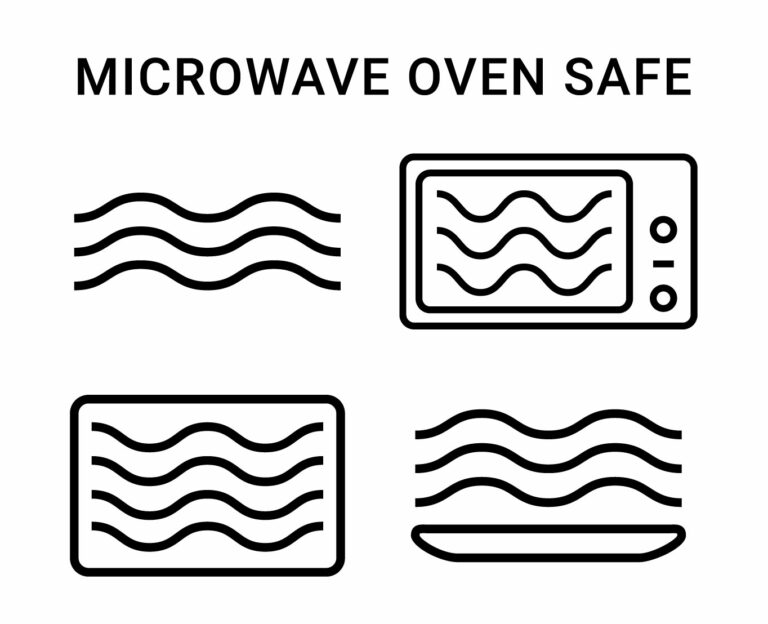
You probably didn’t think twice about it. After all, if the container didn’t melt, everything is fine, right? Or maybe you quickly flipped it over to check for that familiar little microwave-safe symbol—the one with the tiny wavy lines—and felt a wave of reassurance.
But here is the unsettling truth: that “microwave-safe” label is protecting the plastic, not you.
Every time you heat up food in a plastic container, an invisible chemical exchange might be happening right on your dinner plate. Let’s break down exactly what happens when plastic meets electromagnetic waves, what you are actually risking, and how you can protect your health without making your life a logistical nightmare.
What Does “Microwave-Safe” Actually Mean? Can I Microwave Plastic containers in the microwave?
There is a massive misconception that a “microwave-safe” stamp from regulatory bodies like the FDA means a container is 100% healthy and chemical-free.
It doesn’t.
When a plastic container is certified as microwave-safe, it simply means the plastic will not melt, warp, or structurally crack under normal microwave temperatures. It ensures the container won’t ruin your microwave or cause a structural mess. It does not mean that zero chemical migration is happening at a microscopic level.
When plastic is exposed to high heat, the polymers (the long chains of molecules that make up the plastic) begin to loosen and relax. As those bonds stretch, the chemical additives used to make the plastic flexible, clear, or durable can easily slip out and migrate—or “leach”—directly into whatever food happens to be touching it.
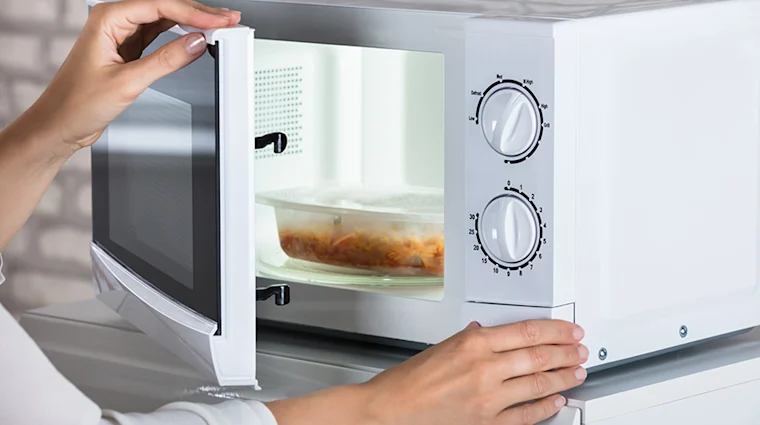
The Risks: What You Face Every Time You Heat Leftovers
When you microwave plastic, you aren’t just heating up food; you are drastically accelerating chemical and structural breakdown. Here is what is actually ending up in your leftovers:
1. The Regulated Chemical Swap (BPA vs. BPS)
Most people know to look for “BPA-Free” labels today. Bisphenol A (BPA) is a notorious endocrine disruptor linked to hormonal imbalances, reproductive issues, and metabolic problems. However, when manufacturers removed BPA, they often replaced it with alternative chemicals like BPS (Bisphenol S) or BPF. Recent toxicological studies show that these replacements can behave almost identically to BPA in the body, altering hormone pathways just as easily.
2. A Silent Flood of Microplastics
A groundbreaking study from the University of Nebraska-Lincoln revealed a jarring metric: microwaving a plastic baby food container released up to 2 billion microplastics and 40 million nanoplastics into just one square centimeter of liquid. When you heat food in plastic, you are physically shedding microscopic plastic debris into your meals, which researchers are increasingly linking to cellular damage and inflammation in the human gut.
3. The “Fat and Oil” Catalyst
If you are microwaving a watery broth, the chemical leaching is relatively low. But if you are heating up leftover lasagna, pizza, or anything with oil, butter, or cheese, the risk skyrockets. Many chemical additives in plastic are fat-soluble. Because oils get significantly hotter than water in a microwave, they act like a magnet, pulling those synthetic compounds right out of the container walls and binding them into your food.
The Plastic Code Cheat Sheet: Reds vs. Greens
If you must use plastic, you need to know how to read the recycling triangles stamped onto the bottom of your containers. They aren’t all created equal.
| Plastic Number 塑料编号 | Type of Plastic 塑料的类型 | Microwave Status 微波炉状态 | The Verdict 裁决结果/最终判定 |
| PET #1 | Polyethylene Terephthalate | CRITICAL RED 🔴 | Used for soda bottles and single-use berry trays. Warps instantly; never reuse or heat. |
| PVC #3 | Polyvinyl Chloride | CRITICAL RED 🔴 | Contains harsh plasticizers (phthalates). Highly toxic when heated. |
| PS #6 | Polystyrene (Styrofoam) | CRITICAL RED 🔴 | Leaches styrene, a suspected carcinogen, directly into hot foods. |
| OTHER #7 | Mixed Plastics / Polycarbonate | CRITICAL RED 🔴 | A catch-all category that frequently contains structural BPA. |
| PP #5 | Polypropylene | CAUTIOUS GREEN | Highly heat-resistant and structurally stable. If you must use plastic, use only clean, unscratched #5. |
The Golden Rule: If any plastic container—even a #5 PP container—is scratched, cloudy, stained from tomato sauce, or warped, it belongs in the trash or recycling bin. Damaged surfaces shed vastly higher quantities of microplastics and chemicals than brand-new ones.
Lazy-Friendly Alternatives (How to Stay Safe)
Protecting yourself from chemical leaching doesn’t mean you need to hand-wash vintage ceramic bowls every single night. You just need to tweak your routine by about ten seconds.
- The “Flip and Dip” Method: Keep a designated glass bowl or ceramic plate sitting right on top of or next to your microwave. Instead of putting the plastic tub inside, pop the lid off, flip the container upside down onto the glass plate, and let the food drop out. Microwave it on the glass, and leave the plastic on the counter.
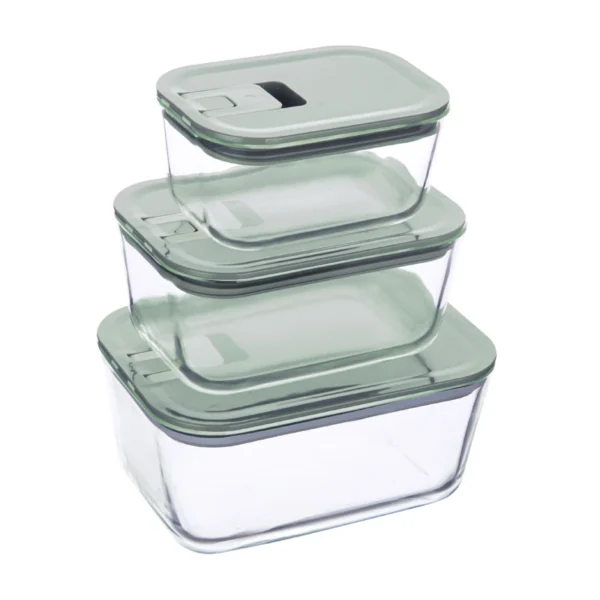
- Invest in “Prep-to-Table” Glass: If you buy new meal-prep containers, switch to borosilicate glass containers with snap-on lids. They can go directly from the freezer to a hot microwave without shattering, and they don’t retain stains or odors.
- Ditch the Plastic Wrap: Covering a bowl with plastic wrap traps chemical-laden steam that condenses and drips right back down into your food. Use a plain white paper towel or a reusable silicone lid instead.
Conclusion
You don’t need to completely purge every piece of plastic Tupperware from your kitchen cabinets—they are still perfectly fine for storing cold salads, dry snacks, or holding raw ingredients in the fridge.
But when it comes to the microwave, heat completely changes the game. Your health and peace of mind are absolutely worth the extra ten seconds it takes to switch to a safer alternative.
The good news? Keeping your food safe and chemical-free doesn’t have to be complicated. We designed our storage collection to give you the ultimate peace of mind without sacrificing convenience:
- The Safe Base: Our premium glass containers handle the heat perfectly, ensuring zero chemical leaching or microplastic shedding in your food.
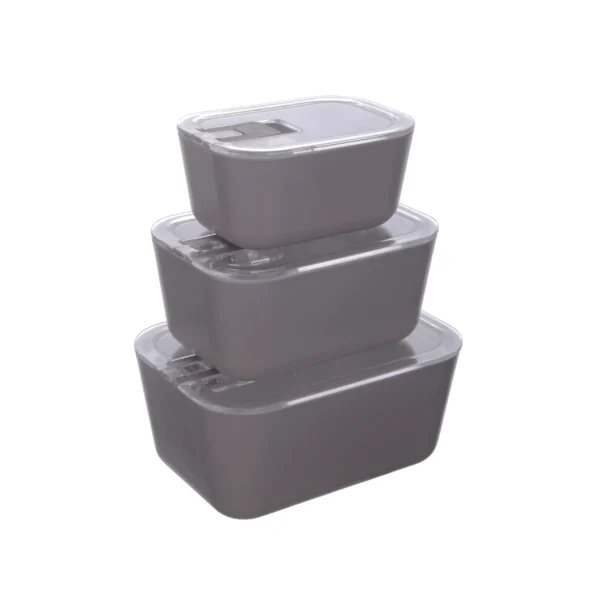
- The Perfect Lids: Whether you prefer our classic PP/MS airtight lids for the fridge, our heat-safe silicone lids for effortless microwave reheating, or our pristine glass lids for a 100% plastic-free experience, we have your leftovers covered.
Recommended products
Make the switch to smarter, safer heating today—your body will thank you for it.