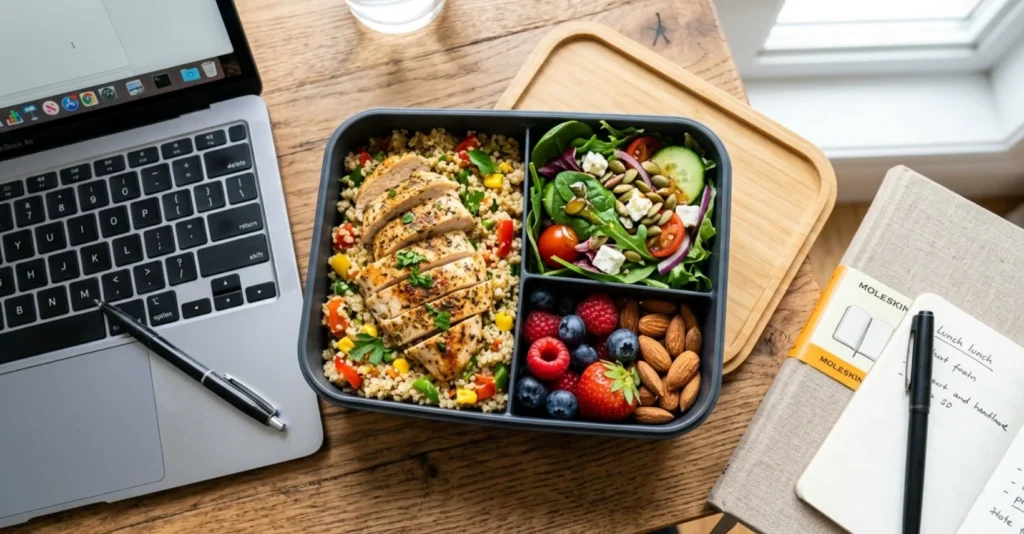
A well-organized refrigerator is no longer just about keeping food in the right place. Across social media, fridge restocking videos and carefully arranged refrigerator interiors have made everyday food storage more visual, practical, and design-focused. From neatly stacked containers to rows of colorful ingredients displayed through clear glass, these ideas are inspiring consumers to rethink how they organize their kitchens. Lifestyle publications have also highlighted the rise of “fridgescaping,” a trend that combines food organization with visual styling.
For kitchenware brands, this trend presents an opportunity to rethink glass food storage products. Consumers may be looking for more than a container that holds leftovers. They may also value visibility, consistent design, convenient storage, and products that look good together. So, what makes glass food storage containers a natural fit for modern refrigerator organization, and what should brands consider when developing their next product range?
Why Fridge Organization Has Become So Popular
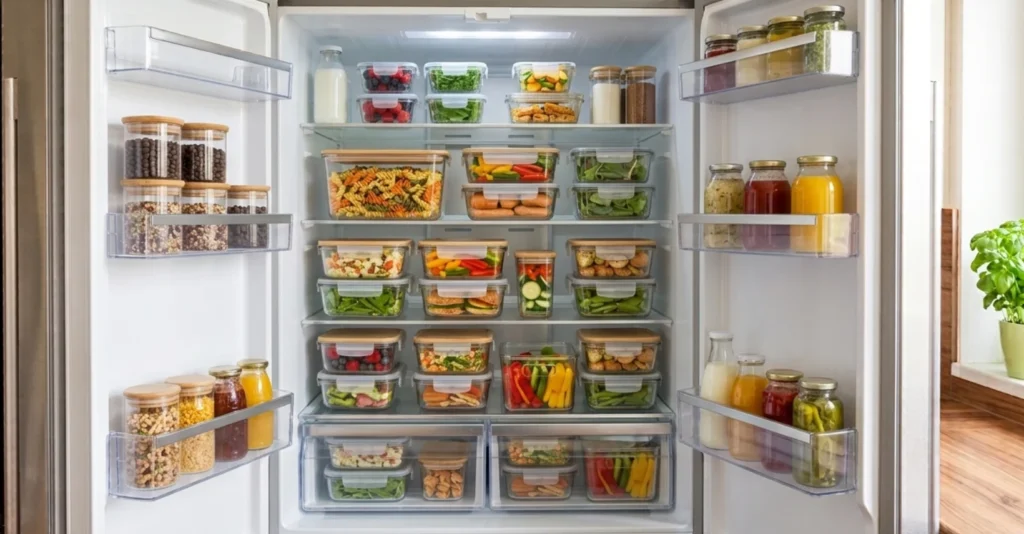
One reason organized refrigerators attract attention is their visual simplicity. Matching containers, clearly visible ingredients, and neatly arranged shelves create a sense of order that is easy to appreciate in a short video or photograph.
However, the appeal goes beyond appearance. A well-organized refrigerator can make it easier to identify stored food, find leftovers, and see which ingredients need to be used. Grouping similar items and keeping food visible may also help households manage their groceries more effectively.
Space is another important consideration. Refrigerators often contain containers of different sizes, takeaway packaging, produce bags, and partially used ingredients. A more consistent storage system can make the available space easier to manage.
For consumers, this means a refrigerator organization system needs to balance three things: visual appeal, everyday convenience, and efficient use of space. For brands, these priorities offer a useful starting point for developing glass food storage products that suit modern kitchens.
Why Glass Food Storage Containers Fit the Trend
1. Transparency Makes Food Easier to See
One of the most useful features of glass food storage containers is their transparency. Users can identify stored food without opening every container, which is particularly convenient when several meals or ingredients are prepared in advance.
Clear glass also creates a clean, consistent appearance when containers are arranged together. Colorful vegetables, fresh fruit, sauces, and prepared meals become visible parts of the refrigerator rather than being hidden behind opaque walls.
For retailers and private label brands, transparent glass containers can be positioned around both practical storage and attractive kitchen organization.

2. Matching Shapes Create a More Organized Look
A collection of containers with consistent shapes and complementary lids can create a more coordinated refrigerator layout.
Square and rectangular glass containers are especially useful when space efficiency is a priority. Their straight sides can reduce unused gaps between containers, making it easier to arrange multiple units on a shelf. Round containers, meanwhile, can be convenient for sauces, soups, and other foods that suit a rounded format.
Offering several sizes within the same design family can also help consumers store different portions without losing the overall visual consistency.
3. Glass Supports Repeated Everyday Use
Glass is a practical material for repeated food storage. It has a smooth, nonporous surface and generally resists retaining food odors and stains better than many commonly used plastics. Its transparency also allows users to check the contents and condition of stored food easily.
These qualities make glass suitable for many everyday applications, including leftovers, prepared meals, fruits, vegetables, and other refrigerated foods.
Product performance still depends on the complete design. The lid, gasket, container dimensions, and intended storage conditions all influence usability. Buyers should also check whether a particular container is designed for freezer or microwave use rather than assuming every glass container supports every application.
What Product Features Matter Most for Fridge Organization?
For brands developing a glass food storage collection, the best products combine visual consistency with practical functionality.
Multiple sizes: A useful range should accommodate different portions and food types. Small containers may suit snacks and side dishes, while medium and large formats can accommodate leftovers, meal preparation, and family-size portions.
Stackable or space-efficient designs: Containers that fit together neatly can help users make better use of refrigerator shelves. Buyers should evaluate the actual dimensions and stacking stability rather than relying on shape alone.
Well-fitting lids: Lids help protect stored food from external contamination and can help contain spills when the product is appropriately designed. Airtight or leak-resistant performance should be supported by the specific sealing structure and product testing.
Easy-to-clean construction: Food containers need to be practical after everyday use. The opening size, corners, lid structure, and removable sealing components can all affect cleaning convenience.
Consistent design: Matching lid colors, coordinated shapes, and complementary capacities can make a product set more appealing to consumers who want a unified storage system.
For B2B buyers, these features are also opportunities for product differentiation. A well-planned collection can offer a stronger retail proposition than a group of unrelated containers.
What the Trend Means for Houseware Brands and Retailers
The fridge organization trend provides brands with an opportunity to develop products around a complete storage experience rather than focusing on individual containers alone.
Develop Coordinated Glass Food Storage Sets
Instead of selling only individual containers, brands can consider sets containing different sizes and shapes for different applications. A coordinated set may appeal to consumers who want to organize leftovers, meal-prep portions, and ingredients within one consistent system.
The number of pieces should match the target market and price point. A compact starter set may suit smaller households, while a larger assortment could appeal to families or consumers who prepare meals in batches.
Make Product Photography More Relevant
Product presentation can help buyers communicate the value of a storage set. Images showing glass containers arranged inside a refrigerator can demonstrate scale, transparency, stacking, and everyday use more clearly than isolated product shots.
For e-commerce brands, useful scenes include organized leftovers, prepared lunches, fresh ingredients, and several container sizes arranged together. These visuals should reflect realistic storage practices rather than simply filling every shelf for decorative effect.
Consider Customization and Packaging
For private label brands, coordinated products can be supported by matching lid colors, customized logos, retail-ready packaging, and carefully selected product combinations.
Packaging can also explain the intended applications of each size, helping consumers understand why the set contains different capacities. These details allow brands to create a more recognizable collection while retaining practical functionality.
Importantly, a social media trend should be treated as a source of product inspiration, not a guarantee of sales growth. Product decisions should still reflect target customers, retail pricing, competitor offerings, and actual market feedback.
How EasyLife Housewares Can Support Your Product Development
At EasyLife Housewares, we develop and supply kitchen storage and houseware products for B2B customers. For brands exploring glass food storage sets, the product development process can begin with an existing design and move toward a configuration that better suits a specific market.
Depending on the project, options may include different container sizes and shapes, lid configurations, logo customization, colors, and packaging. We also support suitable OEM and ODM projects for buyers looking to develop a more tailored product range.
Whether you are expanding an existing kitchenware collection or exploring a new refrigerator storage concept, it is worth considering how each product will work as part of the complete set. The aim is to balance appearance, usability, storage efficiency, and commercial practicality.
FAQ
Why are glass containers popular for fridge organization?
Transparent glass makes stored food easy to identify and creates a clean, coordinated appearance. Different sizes and shapes can also help users organize leftovers, prepared meals, and ingredients more efficiently.
Are square glass containers better for refrigerator storage?
Square containers can make efficient use of shelf space because their straight sides allow them to sit close together. However, the best choice depends on the refrigerator layout, container dimensions, and intended use.
What should brands consider when developing glass food storage sets?
Brands should consider target customers, capacity combinations, shape, lid performance, ease of cleaning, packaging, retail positioning, and price point. A coordinated set should offer useful variety without unnecessary complexity.
Can EasyLife customize glass food storage containers?
EasyLife supports suitable OEM and ODM projects, with options that may include product specifications, lid designs, logos, colors, and packaging. Requirements can be discussed according to the intended product and project scope.
Conclusion
The fridge organization trend highlights an important opportunity for glass food storage brands: consumers may value products that combine clear visibility, practical storage, and a coordinated appearance. For retailers and private label businesses, carefully selected sizes, space-efficient shapes, and complementary lids can help turn individual containers into a more complete product collection.
At EasyLife Housewares, we work with brands and buyers on existing glass food storage designs and customized product development. Looking to create a glass food storage set for your market? Tell us about your preferred sizes, shapes, and packaging, and let’s discuss what could work for your product line.