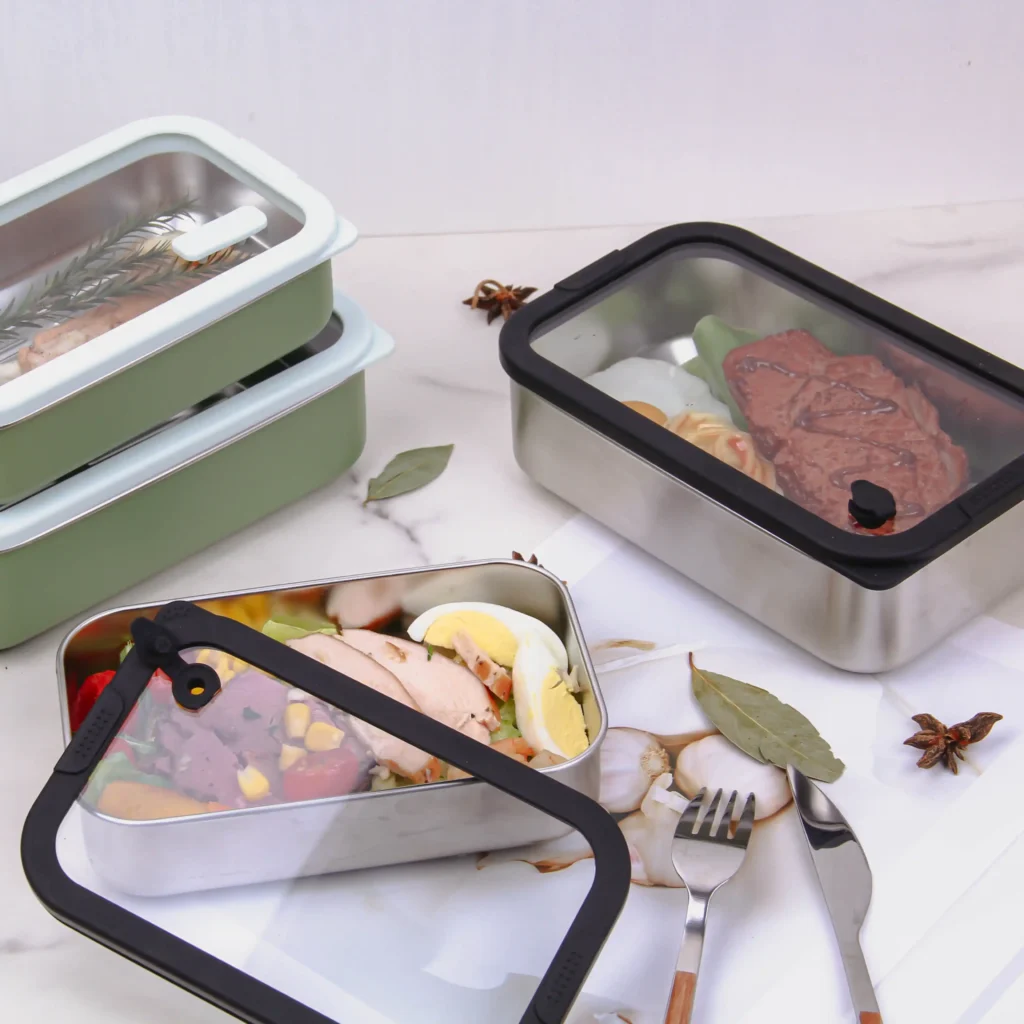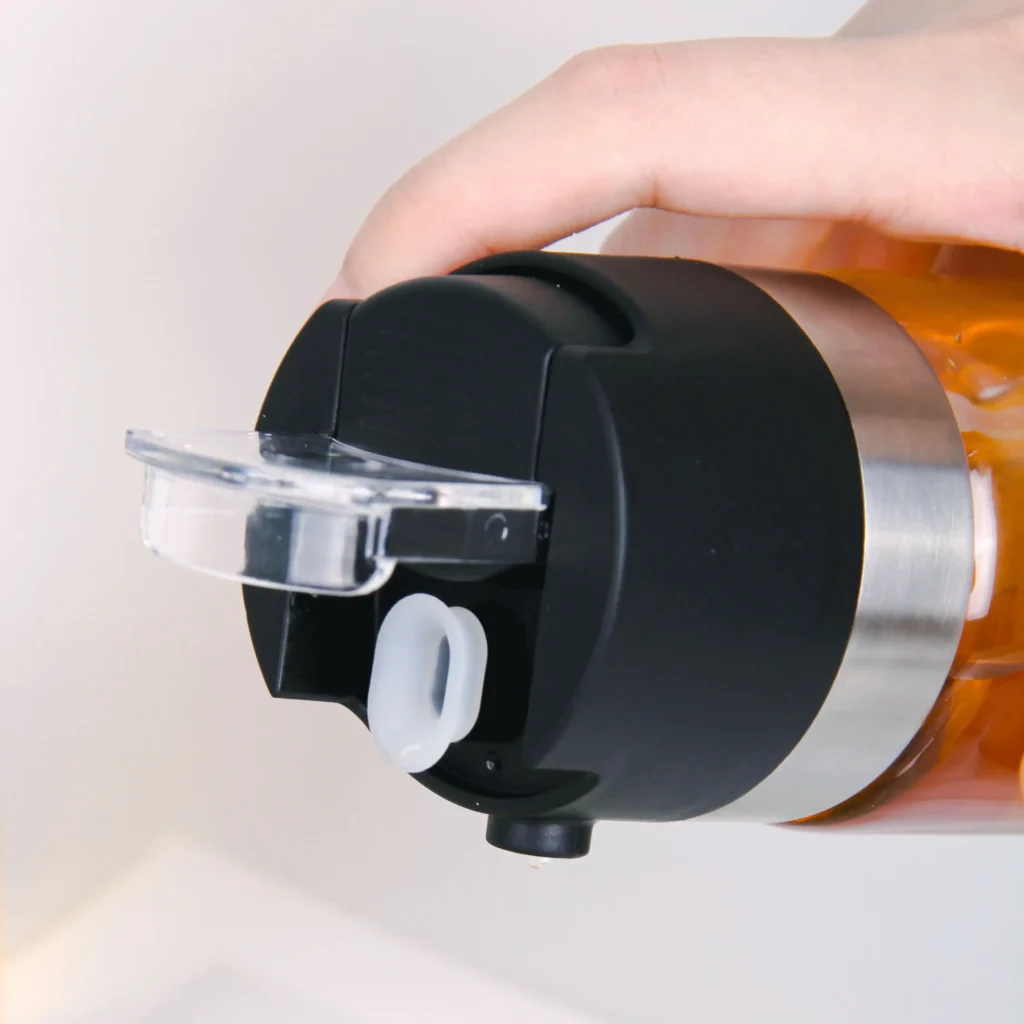
Nowadays, in modern kitchens, food-grade silicone is an indispensable material due to its features like BPA-free, heat-resistant, flexible, non-stick, eco-friendly, etc. And silicone kitchenwares such as baking mats, ice cube trays and meal prep containers are absolute lifesavers—until they start smelling like yesterday’s garlic shrimp or get covered in stains that just won’t wash off.
But hey, don’t worry. Food-grade silicone is incredibly durable and chemically stable. With just a few simple tricks, you can restore your silicone kitchenware to its former glory.
Why Do Silicone Kitchenwares Absorb Stains And Odors?
Food-grade silicone is naturally attracted to fats and oils.
It is a porous material at a microscopic level. which means when exposed to high heat during cooking or baking, its pores will open up, allowing oils, food particles, and odor molecules to seep in. As it cools, the pores close, trapping the stains and smells inside.
Also, food-grade silicone easily creates static electricity (just like how a balloon sticks to your hair). This static charge acts like a magnet, pulling in airborne dust and tiny bits of food grease. Over time, this forms a sticky layer on the surface that holds onto stains and odors.
How to Remove Stubborn Stains And Lingering Odors
Daily Cleaning: The First Line of Defense
The best way to prevent buildup is to clean silicone kitchenware immediately after use.
- Wash with warm water and dish soap
- Use a soft sponge or cloth
- Rinse thoroughly and air dry
Avoid abrasive scrubbers, as they may damage the surface and make future staining worse.
Deep Cleaning Method for Stubborn Stains
1. The Magic De-Greaser: Baking Soda Paste
Rinse the silicone with warm water. Sprinkle a generous amount of baking soda over the sticky or stained areas, and add a few drops of water to form a thick paste. Rub it gently with your fingers or a soft sponge. Let it sit and dry completely (usually a few hours or overnight) before washing it off with hot water.
2. The Stain Buster: Hydrogen Peroxide or Lemon Juice
For tough stains, submerge the silicone in a bowl of hydrogen peroxide (3% concentration, available at most pharmacies). Let it soak until the stain fades, then rinse thoroughly. Alternatively, you can rub the item with fresh lemon juice and let it sit in the direct sunlight for a few hours. The combination of UV rays and citric acid works wonders on organic stains.
Effective Techniques for Lingering Odors
1. The Natural Neutralizer: White Vinegar Soak
Mix equal parts of white vinegar and warm water in a basin. Submerge your silicone and let it soak for 30 minutes to an hour. Vinegar is a natural deodorizer that neutralizes stubborn smells. Wash with mild dish soap afterward to remove the vinegar scent.
2. The Gentle Heat Extractor: Low-Temp Oven Baking
If odors persist, wash the silicone thoroughly, dry it, and place it in a conventional oven at a low temperature (around 100°C / 212°F) for 15-20 minutes. The heat helps open the pores and evaporate trapped odor molecules. (Note: Always check the manufacturer’s temperature limit, as most food-grade silicone can safely withstand up to 230°C).
Pro-Tips for Long-Term Maintenance
To keep your silicone kitchenwares in tip-top shape for years to come, keep these golden rules in mind:
- Wash immediately: Don’t let stained or pungent foods sit in silicone containers for too long. Wash them immediately after use.
- Ditch the abrasive pads: Avoid using steel wool or harsh scrubbing brushes. They can create microscopic scratches that will trap even more grease and bacteria in the future.
- Use the dishwasher: Most silicone is dishwasher safe. The high heat and intense water pressure of a dishwasher cycle are actually excellent for preventing oil buildup.
What NOT to Do: Common Mistakes to Avoid
- Never use bleach: Bleach can degrade the silicone material, making it brittle and ruining its non-stick properties.
- Avoid strong scents: Washing silicone with highly fragranced dish soaps can actually backfire, as the silicone will absorb the artificial perfume, making your next meal smell like lavender or faux-berries.
When is it Time to Replace Your Silicone?
While silicone is incredibly durable, it doesn’t last forever. It’s time to say a permanent goodbye and buy a replacement if you notice:
- Cracks or tears: Food and bacteria can hide in these rips, making them a hygiene hazard.
- Permanent stickiness: If the sticky film won’t come off even after the baking soda treatment, the polymer has degraded.
Myth Breaker: Is Discolored Silicone Safe to Use?
Yes! If your silicone turns a yellowish tint from oil or orange from tomato sauce, it is purely a cosmetic issue. As long as it is washed properly and doesn’t smell, the stain itself does not leach harmful chemicals into your food.
Choosing the Right Food-Grade Silicone
Not all silicone kitchenware is created equal. Choosing high-quality, food-grade silicone is essential for both safety and long-term performance. It is designed to withstand high temperatures without releasing harmful substances or breaking down.

Look for Safety Certifications
When purchasing silicone kitchenware, check for certifications such as FDA or LFGB compliance. These certifications indicate that the material has been tested for food safety and chemical stability.
Avoid Low-Quality Silicone
Low-quality silicone may contain fillers that reduce durability and increase the risk of odor retention. A simple test: pinch and twist the product—high-quality food-grade silicone should quickly return to its original shape without white streaks.
Why It Matters for Cleaning
Better-quality food-grade silicone is less likely to absorb oils and pigments, making it much easier to clean and maintain. This also reduces the chances of stubborn stains and lingering odors forming in the first place.
Conclusion
Silicone kitchenware is only as good as the care you give it—and the quality you choose from the start. By selecting food-grade, certified silicone and following proper cleaning habits, you can significantly reduce stains, odors, and daily maintenance effort.
Clean tools make cooking more enjoyable, more hygienic, and far more efficient. A small investment in quality and care will pay off every time you step into the kitchen.
Contact us to get high-quality silicone products to ensure your business is perfectly secure.