When launching or scaling a seasoning brand, packaging is rarely the first thing on the creative mood board—yet it quietly dictates everything from profit margins to customer retention. One of the most pivotal decisions brands face is choosing between compact, countertop-ready small spice jars and high-capacity large containers.
Rather than simply guessing a volume or copying competitors, successful brands approach container sizing as a strategic business decision. Below, we break down why container size matters across your supply chain, what distinct advantages small and large formats offer, and how to partner with the right manufacturing supplier to bring your vision to life.
Why Spice Container Size Matters: From Supply Chain to Kitchen Counter
Selecting the right container dimensions creates a ripple effect across every stage of a product’s lifecycle—impacting both B2B operations and the end consumer’s daily cooking routine.
1. Logistics, Freight & Warehousing Costs
For wholesalers, distributors, and brand owners, container size directly governs dimensional weight and pallet efficiency. Smaller, uniform jars maximize carton pack counts and allow more SKUs per linear foot on retail shelves. Conversely, oversized or awkwardly shaped containers can inflate ocean freight costs, eat up warehouse racking space, and increase breakage rates during transit if not engineered with optimal wall thickness and protective carton layouts.
2. Shelf Impact & Retail Positioning
In both brick-and-mortar aisles and e-commerce thumbnails, jar proportions communicate brand identity in seconds. Sleek, petite jars signal artisanal quality, curated giftability, and culinary discovery, while generous, wide-mouth canisters project everyday household value and kitchen practicality.
3. End-Consumer Ergonomics & Kitchen Space
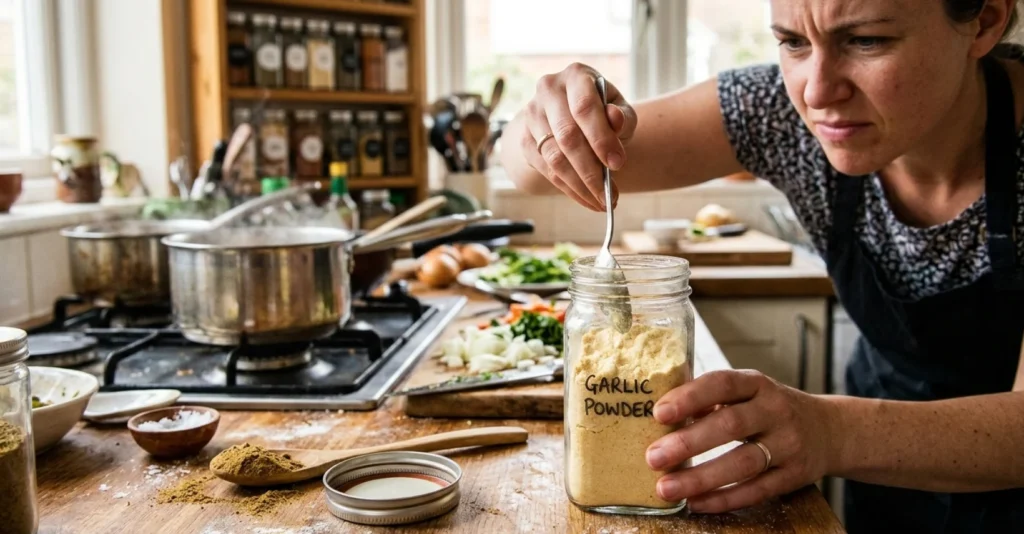
Once the product reaches the home, size determines usability. Modern urban apartments often feature shallow cabinets and compact spice drawers where tall bulk containers simply won’t fit. At the same time, an avid home cook grabbing salt or garlic powder mid-recipe doesn’t want to constantly unscrew a tiny bottle or struggle to fit a measuring spoon through a narrow neck.
4. Product Freshness & Repeat Purchase Cycles
Spice potency degrades with exposure to oxygen, humidity, and light. If a consumer buys an oversized jar of a delicate herb they rarely use, the spice goes stale before it is half-empty—leading them to blame the brand for poor quality. Matching container volume to realistic consumption rates protects flavor integrity and drives predictable replenishment cycles.
What Each Format Offers: Small Jars vs. Large Containers
Understanding the strategic trade-offs between compact and high-capacity formats helps you align packaging with your specific product lines.
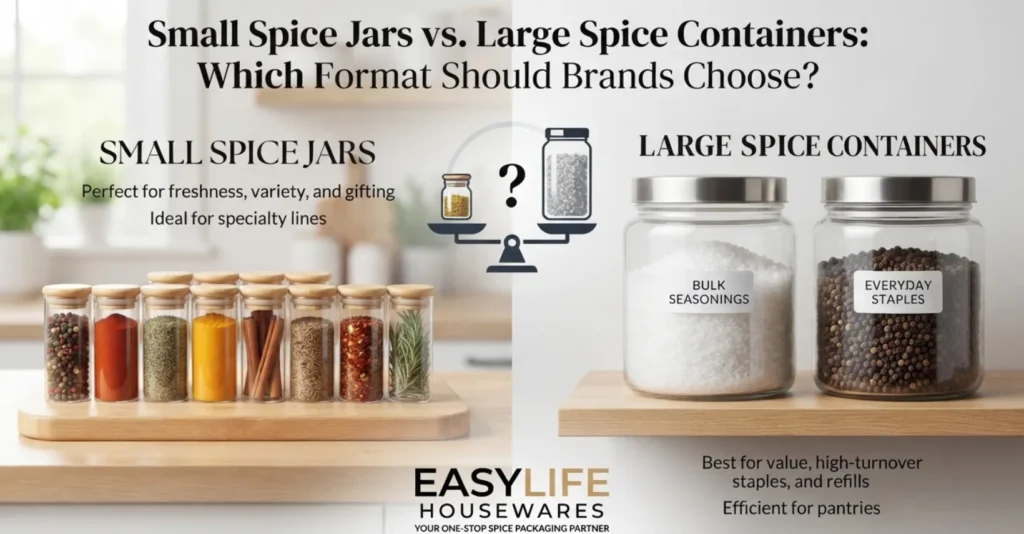
The Case for Small Spice Jars (80ml – 200ml)
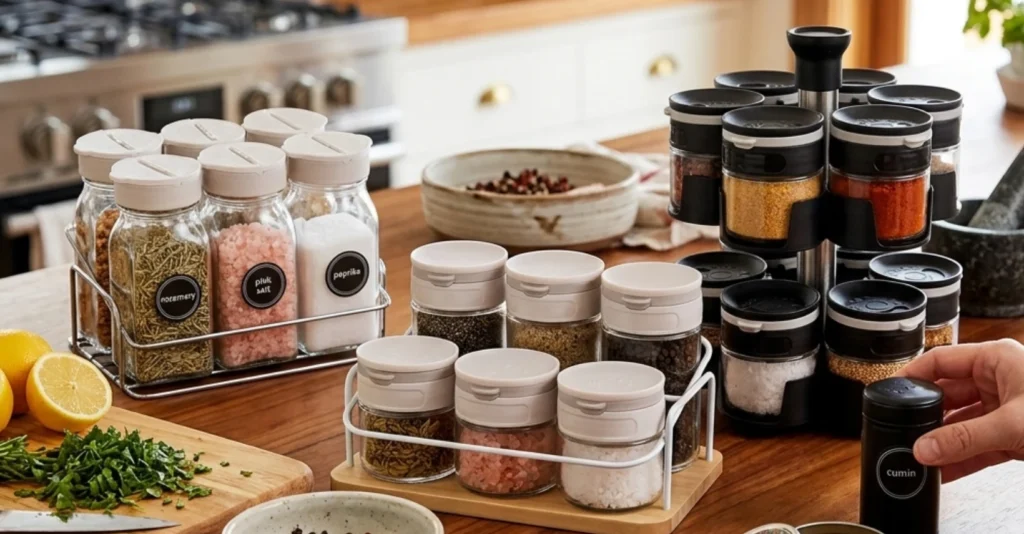
Compact spice jars are the backbone of specialty grocery brands, direct-to-consumer starter kits, and countertop organizer sets.
- Peak Flavor & Aroma Preservation: Smaller volumes ensure home cooks finish spices while volatile essential oils are still vibrant, safeguarding your brand’s culinary reputation.
- Visual Appeal & Collection Building: Uniform small jars look cohesive on spice racks and countertops, encouraging shoppers to buy multiple varieties at once to complete a set.
- Lower Entry Price Point: A smaller unit size keeps retail pricing accessible, lowering the barrier to trial for customers experimenting with exotic seasonings or regional blends.
- Gifting & Bundling Potential: Petite jars easily transition into curated gift boxes, holiday sets, and rotating countertop racks—boosting average order value.
The Case for Large Spice Containers (300ml – 500ml+)
Larger seasoning jars and canisters cater to high-frequency cooking habits and value-driven shoppers.
- Economies of Scale & Value Appeal: Larger containers deliver a lower cost per gram, positioning everyday essentials as smart pantry investments for families and avid cooks.
- Convenience for High-Turnover Staples: Kitchen workhorses like sea salt, black pepper, paprika, and granulated garlic disappear fast. Generous capacities prevent mid-recipe run-outs and frequent store trips.
- Sustainability & Refill Positioning: Marketing large containers as bulk pantry refills for smaller countertop jars appeals to eco-conscious buyers looking to reduce packaging waste.
- Foodservice & Heavy-User Crossover: High-capacity jars seamlessly bridge retail households with meal-prep enthusiasts, catering kitchens, and boutique foodservice buyers.
5 Key Factors to Guide Your Format Selection
Before finalizing your SKU lineup, evaluate each spice against five core criteria:
- Ingredient Turnover & Potency: Reserve large containers for high-turnover staples (salt, pepper, chili flakes) and use small, tightly sealed jars for slow-moving or costly spices (saffron, cardamom, finishing salts).
- Dispensing Mechanics: Size dictates lid functionality. Small tabletop bottles shine with shaker or dual-opening sifter lids for controlled sprinkling, while large cooking canisters benefit from wide-mouth screw tops or flip lids with integrated spoons for effortless scooping.
- Target Household Profile: Design compact, space-saving footprints for urban apartment dwellers, and offer bulk formats for suburban family kitchens.
- Channel Strategy: Brick-and-mortar retailers often favor compact footprints that maximize SKU variety per shelf, while e-commerce brands can easily bundle multi-size value sets.
- The Hybrid Ecosystem: You don’t have to choose only one. Many leading brands pair small countertop jars (for daily dispensing and gifting) with large refill containers (for pantry storage and repeat value).
How to Choose the Right Spice Container Supplier
Once you have defined your ideal size strategy, execution comes down to your manufacturing partner. A reliable supplier should do more than ship standard stock—they should help you engineer a cohesive, shelf-ready packaging system.
When vetting spice jar manufacturers, look for these critical capabilities:
- Material Integrity & Airtight Engineering: Spices demand high-clarity, non-porous vessels—such as high-borosilicate glass paired with food-grade silicone gaskets—to lock out moisture and prevent clumping.
- Versatility Across Sizes & Dispensing Systems: Working with a supplier that offers multiple volumes, shapes, and lid mechanisms under one roof simplifies sourcing and keeps your brand aesthetic consistent across product tiers.
- Customization & Tooling Support: As your brand grows, off-the-shelf packaging may no longer set you apart. Look for a partner with in-house R&D capable of custom molds, bespoke lid colors, private-label branding, and tailored packaging sets.
- Export & Carton Optimization: Experienced suppliers understand how to engineer inner dividers and master cartons that protect glass during international transit while maximizing container load efficiency.
Partnering with Easylife Housewares
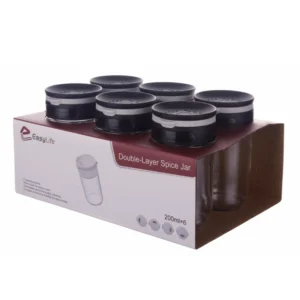
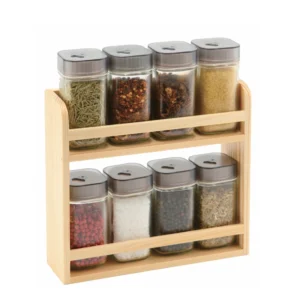
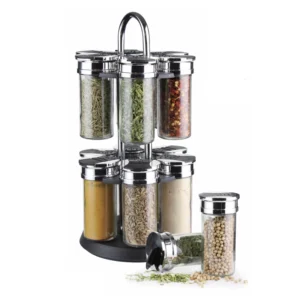
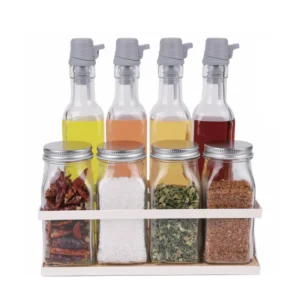
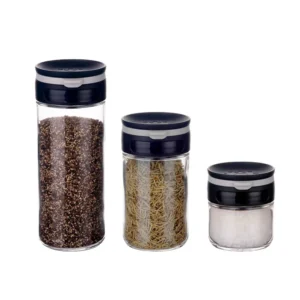
At Easylife Housewares, we help spice brands, wholesalers, and houseware retailers turn packaging strategy into market-ready products. Our extensive catalog spans a full spectrum of capacities, dimensions, and functional dispensing designs—from compact air-tight shaker bottles and dual-opening sifters to moisture-proof screw-top canisters, natural bamboo-accented jars, one-handed switch/flip containers with built-in spoons, and 360-degree rotating Lazy Susan spice rack sets.
Beyond our ready-to-order collections in high-borosilicate glass, stainless steel, and food-grade polymers, our dedicated customization team works directly with brands on bespoke container shapes, custom lid tooling, material combinations, and private-label packaging—giving you the flexibility to launch both small countertop jars and large pantry containers with consistent quality.
Recommended products

Conclusion
Choosing between small spice jars and large spice containers isn’t a binary choice—it is a balancing act between supply chain efficiency, culinary freshness, and consumer convenience. Small jars win on flavor preservation, shelf aesthetics, and trial appeal, while large containers dominate in unit value, high-turnover utility, and refill sustainability.
By evaluating why sizing impacts your margins and end users, matching what each format does best to your specific spice blends, and partnering with an agile, full-service supplier like Easylife Housewares, your brand can build a versatile packaging lineup that stands out on the shelf and earns a permanent spot on every kitchen counter.