When sourcing food storage solutions for retail, hospitality, or corporate channels, material selection directly influences consumer satisfaction, product longevity, and brand reputation. With environmental regulations tightening and consumers moving away from single-use plastics, the market for high-quality reusable snack containers has exploded. Three materials have emerged as clear frontrunners: stainless steel, glass, and silicone.
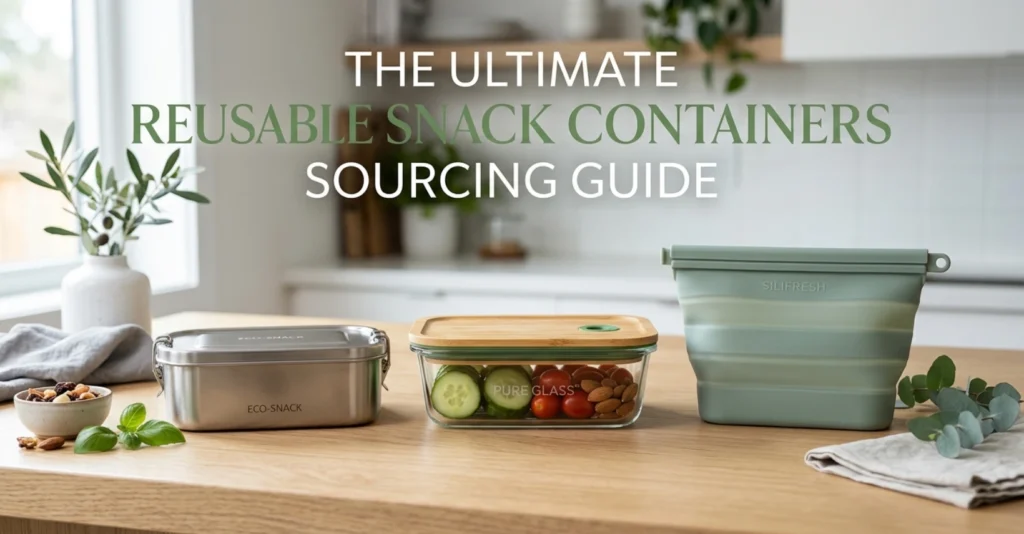
Each material offers distinct physical properties, thermal capabilities, and commercial advantages. Whether you are building a line of leakproof reusable snack containers with lids or compact reusable snack pack containers for travel, this comprehensive comparison breaks down the strengths and trade-offs of each option to help procurement managers and retail buyers select the optimal inventory mix.
The Impact of Choosing the Right Food Container
Selecting the right material for your reusable snack container inventory is not merely a matter of aesthetic preference; it directly affects bottom-line operational metrics and customer retention:
- Margin Protection & Return Rates: Sourcing durable, crack-resistant materials reduces product damage during transit and lowers post-sale customer returns.
- Consumer Safety & Compliance: Modern consumers demand non-toxic, BPA-free, and chemical-stable reusable snack containers that preserve food freshness without leaching.
- Versatility & Use-Case Fit: From meal prepping and school lunches to lightweight travel, matching the right material to consumer lifestyle habits drives product turnover and brand loyalty.
Stainless Steel Food Containers: The Champion of Durability
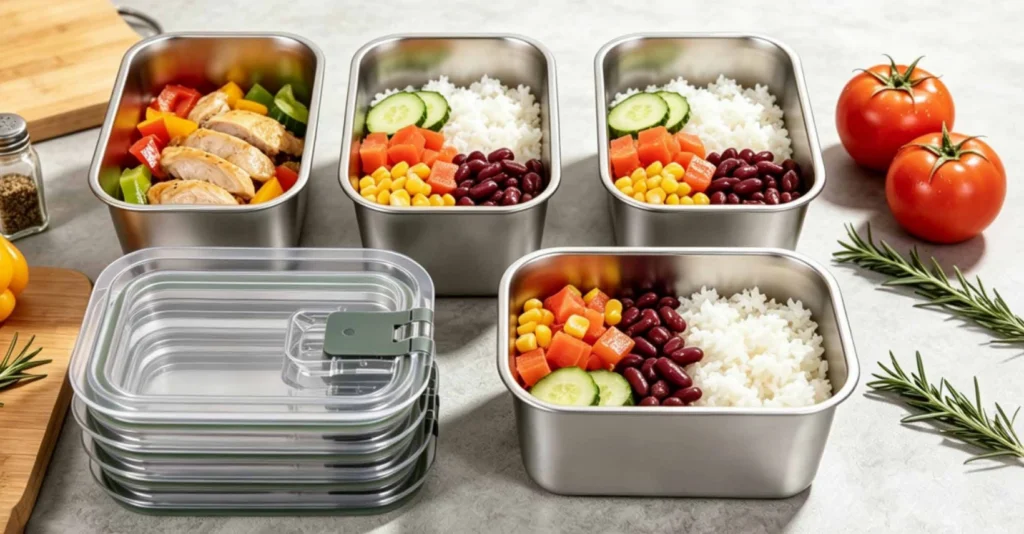
Stainless steel—particularly food-grade 304 (18/8) stainless steel—is revered in both commercial kitchens and residential pantries for its virtually indestructible nature, making it a staple for premium reusable snack pack containers.
Advantages of Stainless Steel Containers
- Unmatched Durability: Highly resistant to drops, impacts, and corrosion. They will not crack, chip, or break, making them ideal for outdoor, school, and workplace meal transportation.
- Lightweight Efficiency: Significantly lighter than glass, reducing shipping freight costs for B2B distributors and making daily transit easier for end-users seeking lightweight reusable snack containers with lids.
- Stain and Odor Resistance: Non-porous surfaces prevent color staining from tomato-based sauces and eliminate residual food odors after washing.
Disadvantages of Stainless Steel Containers
- Lack of Visual Transparency: Consumers cannot inspect container contents without opening the lid, which can be a drawback for organized pantry storage.
- Microwave Incompatibility: Traditional stainless steel containers cannot be used in microwave ovens, limiting quick-reheating options (though some specialized designs now offer oven and freezer compatibility).
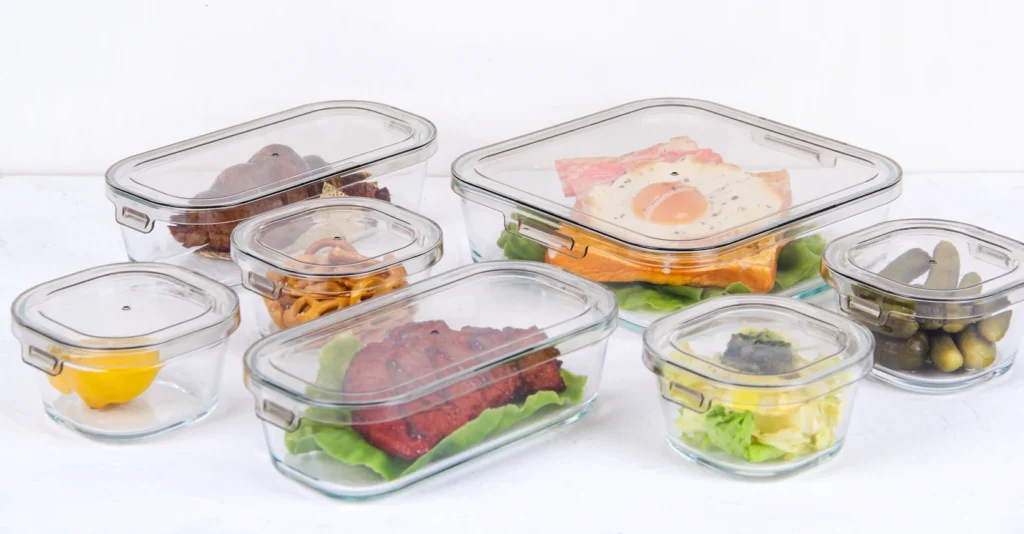
Glass Food Storage Containers: The Versatile Kitchen Staple
Glass—especially high-borosilicate glass—remains the gold standard for home kitchen organization, meal prep, and table-ready presentation when designing heavy-duty reusable snack containers.
Advantages of Glass Containers
- Crystal-Clear Visibility: Full visual transparency allows users to easily identify stored foods, driving organized kitchen aesthetics and accelerating retail shelf appeal.
- Extreme Thermal Versatility: Premium borosilicate glass seamlessly transitions from freezer to oven, microwave, and dishwasher without warping or releasing chemicals.
- 100% Non-Reactive & Hygienic: Completely inert material that preserves pure food flavor and withstands acidic ingredients indefinitely.
Disadvantages of Glass Containers
- Weight and Transport Overhead: Glass is noticeably heavier than steel and silicone, increasing shipping weight and container freight costs for bulk reusable snack pack containers.
- Fragility Concerns: Despite tempering and thermal shock resistance, glass can chip or break upon high-impact drops, requiring protective packaging during distribution.
Silicone Food Storage Containers: The Space-Saving Innovator
Food-grade platinum silicone has transformed the storage market as a flexible, lightweight, and eco-conscious choice for flexible reusable snack containers with lids.
Advantages of Silicone Containers
- Collapsible & Space-Saving Design: Many silicone containers fold flat when empty, saving up to 60% of storage space in kitchen cabinets, lunch bags, and shipping cartons.
- Unbreakable & Flexible: Completely shatterproof and safe for children, travel, and rugged outdoor use—making them ideal reusable snack pack containers for kids and commuters.
- Broad Temperature Range: Safe for use in microwaves, freezers, dishwashers, and even sous-vide cooking.
Disadvantages of Silicone Containers
- Susceptibility to Stains and Odors: Over time, lower-grade or improperly maintained silicone can absorb strong food aromas or oil residues.
- Structural Flexibility: Flexible walls make stacked storage less rigid compared to hard glass or steel containers.

Comparing the Materials: Which One Should You Choose?
To simplify procurement decisions, the table below highlights how each material performs across key operational and commercial parameters when sourcing reusable snack containers:
| Performance Metric | Stainless Steel | Borosilicate Glass | Platinum Silicone |
| Impact Resistance | Exceptional (5/5) | Moderate (3/5) | Shatterproof (5/5) |
| Thermal Versatility | High (Oven / Freezer) | Superior (All-Round) | High (Microwave / Oven) |
| Visual Transparency | Opaque (0/5) | Crystal Clear (5/5) | Semi-Translucent (3/5) |
| Weight & Freight Cost | Lightweight | Heavy | Ultra-Lightweight |
| Stain & Odor Resistance | Excellent | Superior | Moderate |
| Best Commercial Use-Case | On-the-Go / Rugged | Home Pantry & Baking | Compact / Travel |
- Choose Stainless Steel for customers seeking long-lasting, lightweight, and rugged reusable snack containers with lids for work, school, and outdoor activities.
- Choose Glass for consumers prioritizing kitchen organization, oven-to-table convenience, and complete visual clarity.
- Choose Silicone for space-conscious urban living, travel-friendly accessories, and flexible reusable snack pack containers.
Why EasyLife Housewares’ Solutions Stand Out
Navigating material sourcing requires a manufacturing partner capable of balancing material integrity, structural engineering, and market-ready packaging. EasyLife Housewares delivers comprehensive solutions across all three container categories:
- Engineered Material Quality: We utilize food-grade 304 stainless steel, high-shock borosilicate glass, and 100% platinum-cured silicone, ensuring compliance with global food safety standards for every reusable snack container line.
- Drop-Tested Protective Packaging: Our decade-plus packaging expertise ensures that fragile lines (like glass sets) arrive damage-free, utilizing custom folding color boxes, wrap-around sleeves, and transparent PVC displays that cut transit breakage by up to 70%.
- OEM/ODM Customization & Support: Guided by an experienced in-house design team and dedicated QA specialists, EasyLife assists retail buyers with custom branding, leakproof lid engineering, and space-saving container design to maximize retail turnover.
FAQs
Which material is best for meal prep and microwave reheating?
Borosilicate glass is the most versatile option for meal prep involving microwaves, as it can go straight from the refrigerator or freezer into the microwave or oven without degrading.
Is a stainless steel reusable snack container safer than plastic?
Yes. Food-grade 304 stainless steel is completely free of BPA, phthalates, and microplastics. It does not leach chemicals into food, even when storing hot or acidic ingredients.
How do you prevent silicone reusable snack containers from absorbing food odors?
Baking clean silicone containers in an oven at 150°C (300°F) for 20 minutes or soaking them in a warm water and baking soda solution effectively neutralizes absorbed food odors.
Can EasyLife customize packaging for multi-material reusable snack pack containers?
Yes. EasyLife offers customized OEM/ODM packaging options, including dual-purpose display boxes, windowed color packaging, and eco-friendly card sleeves designed to showcase multi-piece sets securely.