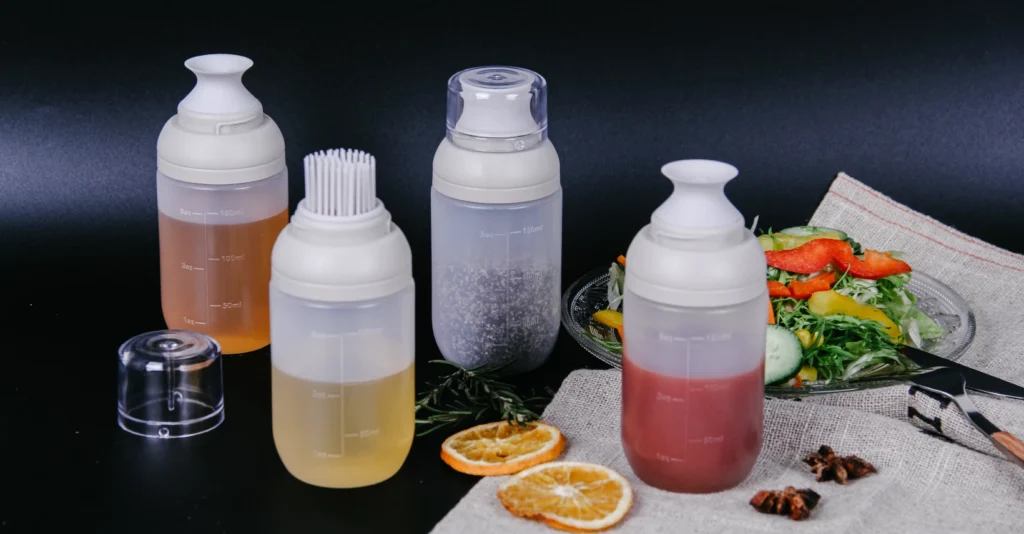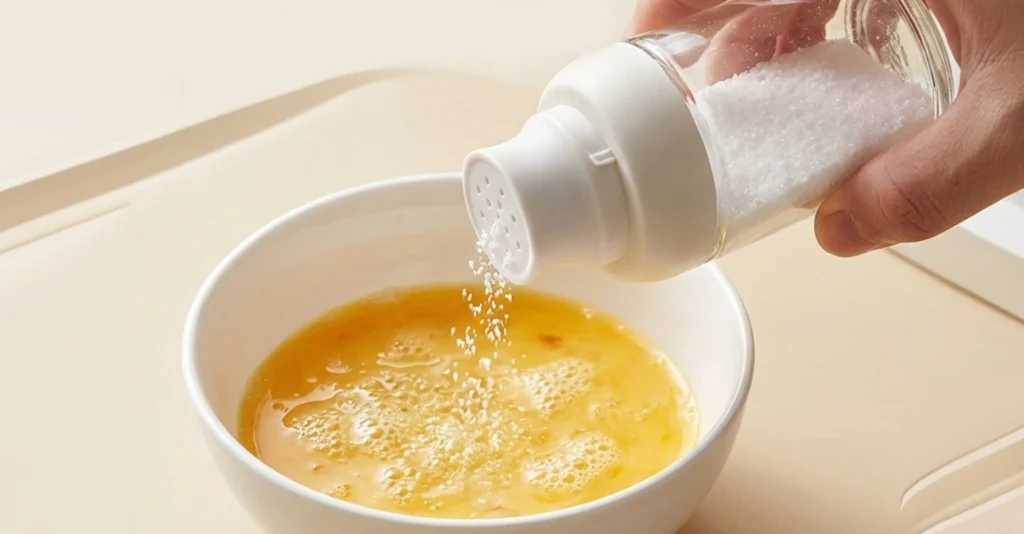
Have you ever tried to drizzle a delicate balsamic reduction over a salad, only to end up with a massive, oily puddle? Or perhaps you’ve wasted time transferring thick sauces from large jars to smaller containers, creating a sticky mess in the process? Enter the humble squeeze bottle—the unsung hero of precision and organization. Whether you are aiming for restaurant-quality plating, looking to streamline your meal prep, or trying to organize your art supplies, finding the right squeeze bottle can instantly elevate your efficiency and reduce waste. In this guide, we’ll dive into everything you need to know to select the perfect bottles for your needs.
What is a Squeeze Bottle?
This is where the humble squeeze bottle comes in. A squeeze bottle is a flexible container, typically made of plastic or silicone, featuring a nozzle top that allows you to dispense liquids, sauces, or pastes with controlled pressure.
Why You Need a Squeeze Bottle?
These tools are game-changers for precision, storage, and organization. They allow you to apply sauces exactly where you want them, keep ingredients fresh and tightly sealed, and declutter your counters by replacing bulky jars with streamlined containers.
Types of Squeeze Bottles: Material & Function
Squeeze bottles come in various forms, each suited for different tasks and contents. Understanding the characteristics of each material and design will help you choose wisely.
1. Plastic Squeeze Bottles (LDPE/HDPE)
The most common and versatile type, plastic squeeze bottles are a staple in kitchens, garages, and craft rooms.
LDPE (Low-Density Polyethylene): These are the classic, flexible, somewhat translucent bottles you often see.
- Pros: Very easy to squeeze, durable, inexpensive, and widely available. Great for condiments, dressings, and general-purpose use.
- Cons: Can stain over time with certain ingredients (like tomato sauce), not ideal for very hot liquids or delicate oils that need light protection.

HDPE (High-Density Polyethylene): A bit more rigid than LDPE, offering slightly more durability. Often used for industrial or more robust applications.
Cons: Less “squeezy” than LDPE.
Pros: More chemically resistant, stiffer structure.
2. Silicone Squeeze Bottles
A newer contender, silicone bottles offer unique advantages, especially in high-temperature environments.
- Pros: Highly heat-resistant (great for warm sauces, melted chocolate), extremely durable, flexible, and often easier to clean as they are non-stick. They don’t stain as easily as plastic.
- Cons: Can be more expensive than plastic, and some designs might be a bit harder to squeeze, depending on the thickness of the silicone.
3. Glass Squeeze Bottles
While not traditionally “squeezable” in the same way plastic or silicone are, glass bottles with controlled pour spouts function similarly for precise dispensing.
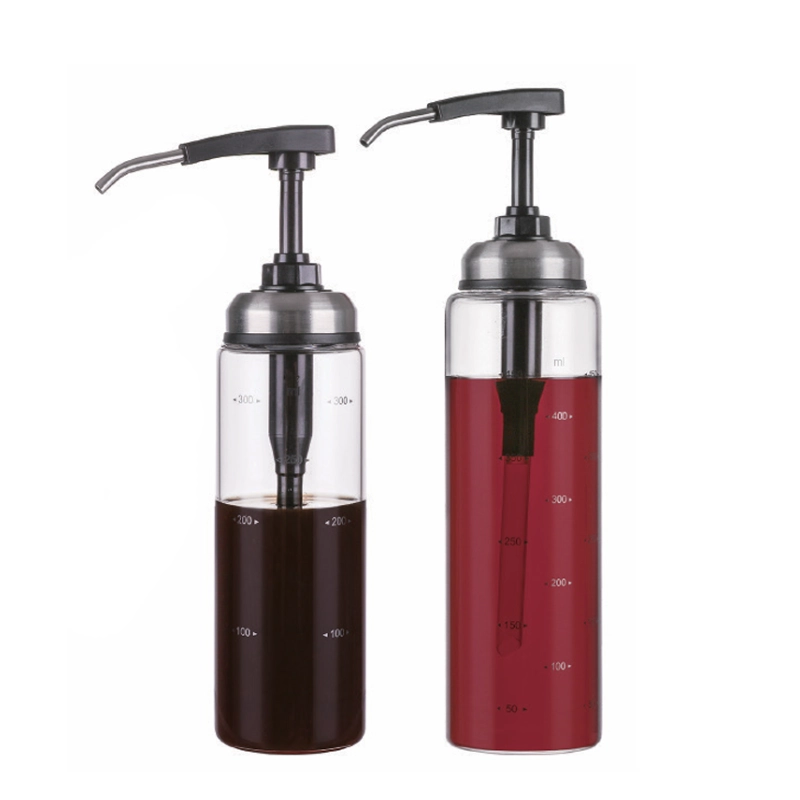
Pros: Excellent for aesthetics, ideal for storing delicate oils (like olive oil or infused oils) as they don’t leach chemicals, preserve flavor, and protect against light degradation (if amber glass). Easy to clean and doesn’t retain odors or stains.
Cons: Fragile, heavier, and requires careful handling. Not truly “squeezable,” relying on gravity or pump mechanisms.
4. Specialty Squeeze Bottles
Beyond materials, specific designs cater to particular needs:
- Wide-Mouth Bottles: Easier to fill with thicker sauces, batters, or chunky ingredients. A broader opening reduces mess.
- Needle-Tip or Fine-Tip Bottles: Essential for intricate work like cake decorating, food art, applying glues, or precision oiling. The very narrow opening allows for fine lines and small dots.
- Upside-Down Bottles: Designed with the dispenser at the bottom, using gravity to keep the contents ready to flow, especially useful for thick condiments like ketchup or mayonnaise.
Common Uses Across Industries
The versatility of squeeze bottles makes them invaluable tools in a surprising number of settings.
In the Kitchen: Culinary Precision and Efficiency
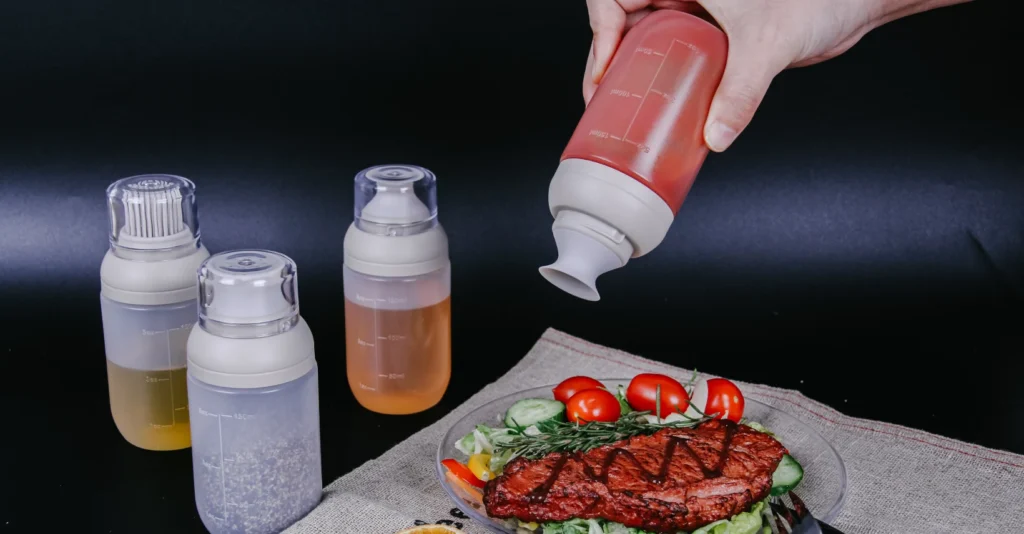
Condiments & Dressings: The most obvious use! Ketchup, mustard, mayo, hot sauce, and vinaigrettes—they keep your tabletop neat and controlled.
Oils & Vinegars: Precision drizzling for salads, finishing dishes, or greasing pans without overdoing it.
Batters: Pancake, waffle, or crepe batter can be easily dispensed onto griddles without drips or mess.
Sauces & Syrups: For plating, from chocolate syrup on desserts to intricate designs with savory sauces.
Meal Prep: Storing homemade dressings, marinades, or sauces for quick access.
Baking & Decorating: The Artist’s Tool
Icing & Frosting: Creating detailed decorations on cakes, cookies, and cupcakes. Fine-tip bottles are a decorator’s best friend.
Chocolate Drizzle: Perfect for garnishing desserts with professional-looking chocolate patterns.
Fillings: Easily injecting creams or custards into pastries.
Cleaning & DIY: Practical Solutions
Cleaning Solutions: Storing and dispensing diluted cleaning agents, especially for hard-to-reach areas.
Crafting Supplies: Holding glues, paints, or dyes for precise application in various projects.
Gardening: Applying fertilizers or pest control solutions in a targeted manner.
Beauty & Hair: Applying hair dye, oils, or other liquids with accuracy.
How to Choose the Best Squeeze Bottle
With so many options, how do you pick the right one? Consider these factors:
What Are You Putting In It?
Thin Liquids (oils, dressings): LDPE plastic or glass with controlled spouts work well.
Thick Sauces (ketchup, mayo, BBQ): LDPE plastic is excellent; consider upside-down bottles. Wide-mouth bottles are easier to fill.
Hot Liquids (melted chocolate): Silicone is your best bet due to heat resistance.
Delicate Oils (extra virgin olive oil): Dark glass bottles are preferred to protect flavor and prevent rancidity.
Crafting Glues/Paints: Fine-tip plastic bottles for precision.
What Tip Size Do You Need?
High Volume/General Use: Larger tip opening (standard condiment bottle).
Precision/Drizzling: Smaller tip opening, sometimes with a cap that you can cut to size.
Intricate Work: Needle-tip or fine-tip for delicate lines and dots.
How Much Do You Need to Store?
Squeeze bottles come in various capacities, from tiny 1-oz craft bottles to large 32-oz kitchen giants. Choose a size that suits your usage frequency and storage space.
For commercial use or large batch cooking, larger bottles are more efficient. For personal use, smaller, more manageable sizes might be better.
How Easy Is It to Clean?
Wide Mouth: Generally easiest to clean, as you can get a brush inside.
Dishwasher Safe: Many plastic and silicone bottles are, but always check manufacturer instructions.
Narrow/Fine Tips: Can be challenging. Hot water, a small pipe cleaner, or soaking might be necessary to prevent clogs and bacterial growth.
Pro-Tips for Using and Maintaining Your Squeeze Bottles
Getting the most out of your squeeze bottles means knowing a few tricks for filling, using, and cleaning them.
Filling Without the Mess: Always use a funnel, especially for bottles with narrower openings. For very thick contents, a wide-mouth funnel or even a pastry bag can make the job cleaner and faster.
Preventing Leaks and Spills: Ensure caps are securely tightened after each use. Some bottles have a small stopper inside the tip to prevent drips, which is a useful feature.
Keeping it Fresh: Label your bottles with contents and the date filled. This is crucial for food safety, especially for homemade dressings or sauces. Store appropriately (refrigerated for most food items).
Cleaning is Key:
Rinse Immediately: As soon as a bottle is empty, rinse it with hot water. This prevents contents from drying and hardening inside.
Warm Soapy Water: Fill with warm, soapy water, shake vigorously, and squeeze the soapy water through the tip. Repeat until clean.
Brushes & Pipe Cleaners: For stubborn residues or narrow tips, invest in small bottle brushes or pipe cleaners.
Air Dry Thoroughly: Ensure bottles are completely dry before refilling to prevent mold or bacterial growth. Store them upside down on a drying rack.
Deep Cleaning: Occasionally, run dishwasher-safe bottles through a cycle or soak non-dishwasher-safe ones in a sanitizing solution (like a diluted bleach solution, followed by a thorough rinse) if used for raw meats or dairy.
Why Choose EasyLife Housewares?
At EasyLife Housewares, we believe that functional tools make life better. We don’t just sell containers; we design solutions for a more orderly, efficient, and beautiful home. Here is why discerning customers and chefs choose us:
- R&D-Driven Innovation: With a dedicated research and development team, we meticulously analyze kitchen problems to create user-centric designs. Our products are engineered for superior functionality, ensuring they are easy to squeeze, refill, and clean.
- Quality Assurance: We adhere to strict quality standards. Whether it is our food-grade PE plastic or our durable, non-reactive glass, we guarantee materials that are safe for your family and built to last.
- Versatility & Design: We offer a wide range of sizes and designs, from wide-mouth bottles for thick sauces to fine-tip options for intricate plating. Our aesthetics are modern and minimalist, fitting perfectly into any kitchen or dining room setup.
- Customer-Centric Focus: Our mission is to “Easy Table, Easy Life.” We are committed to exceptional customer service and providing products that offer more value than expected.
Conclusion
From the bustling professional kitchen to the quiet sanctuary of a crafter’s studio, squeeze bottles prove their worth through precision, organization, and mess reduction. By understanding the different types and how to properly maintain them, you can select the perfect tool to revolutionize your routine. If you’re looking for specific recommendations, check out our top picks for kitchen and craft squeeze bottles at EasyLife Housewares.