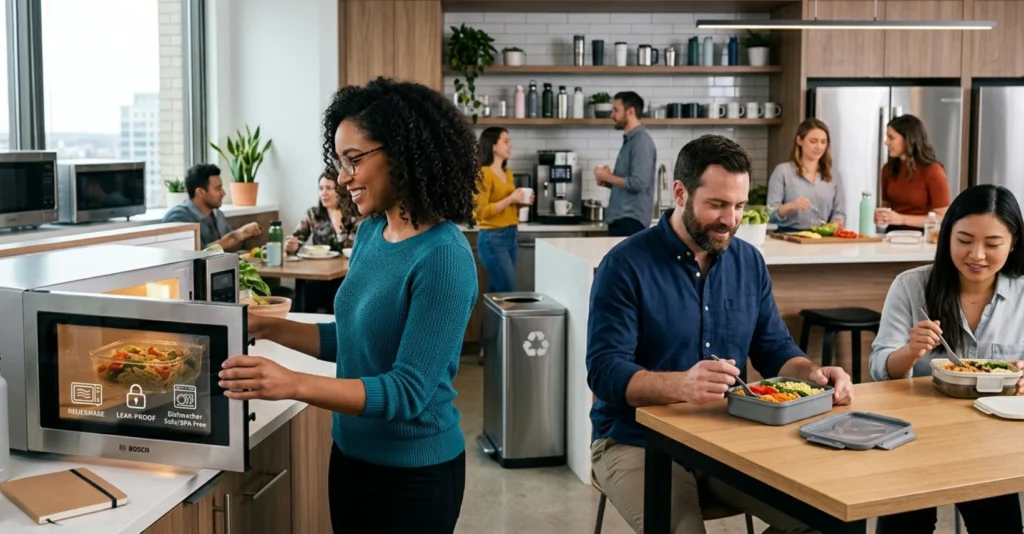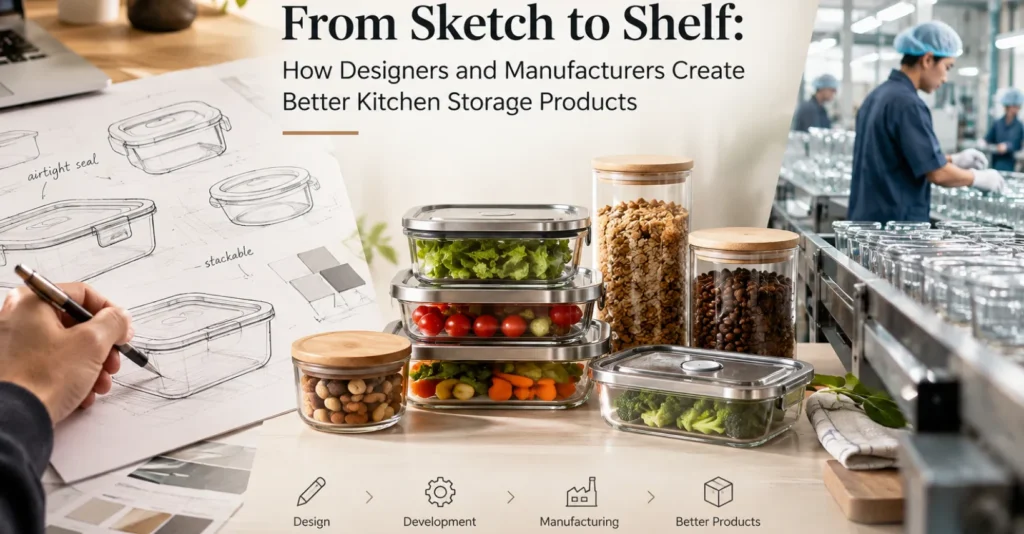
Let’s face it: when you’re shopping for new food storage containers with lids, you probably spend 90% of your time evaluating the base. You check if the glass is thick enough, if the plastic is lightweight, or if the stainless steel looks sleek. But the moment you pack a bowl of chili for work and it paints the inside of your commuter bag red, you realize a brutal truth: a food storage container is only as good as its lid.
The right lid is the ultimate guardian of your leftovers. It dictates whether your food stays crisp or goes stale, whether your fridge stays odor-free, and whether your weekly meal prep survives a bumpy ride to the office.
But with so many options filling the kitchen aisles—from classic snap-on plastic and heavy-duty stainless steel to gorgeous, eco-friendly bamboo—how do you know which material actually fits your lifestyle?
Welcome to The Ultimate Lid Guide. In this post, we’re breaking down the pros, cons, and hidden quirks of the five most popular lid materials on the market, so you can stop guessing and start building the ultimate airtight food storage system for your kitchen.
A Detailed Comparison
1. Plastic Lids (BPA-Free)
Plastic lids—usually made of polypropylene (PP) or Tritan plastic paired with a silicone rim—are the most ubiquitous choice for a reason: they are incredibly practical.
- Airtight & Leakproof Seal: Excellent. Most plastic lids utilize locking tabs/clips and a silicone gasket to create an airtight, liquid-safe seal.
- Durability: Moderate. While shatterproof, the locking tabs can snap over time with heavy use, and the plastic can warp if exposed to extreme heat.
- Safety & Maintenance: Generally dishwasher safe (top rack only). While they are BPA-free, they can still stain from tomato sauces and absorb strong food odors (like onion or garlic).
- Best For: Everyday meal prep, packing lunches on the go, and leakproof soup storage.
2. Glass Lids
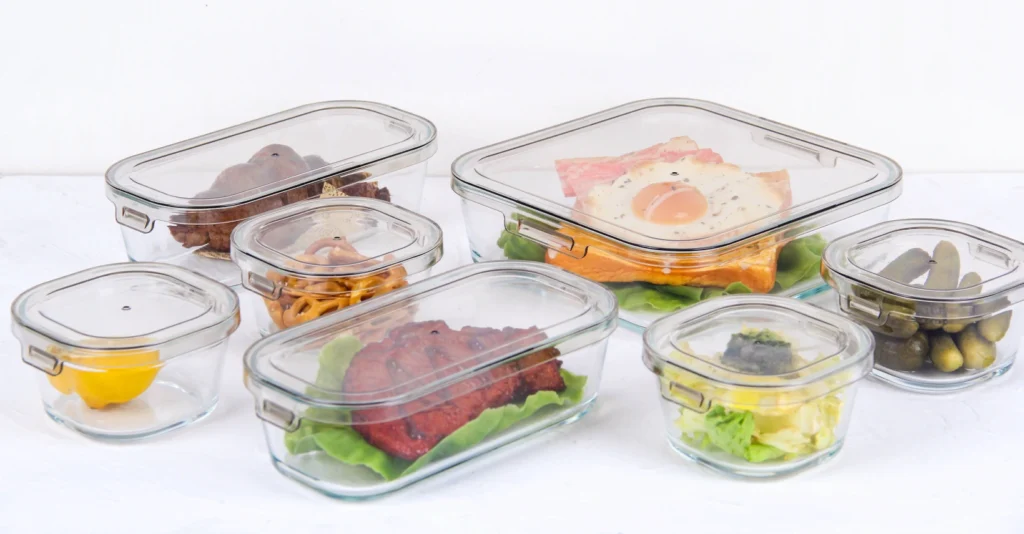
Glass lids offer a premium, highly aesthetic look and are typically found on matching glass or ceramic container bases.
- Airtight & Leakproof Seal: Moderate to High. They rely entirely on a thick silicone sleeve or gasket wrapped around the rim to create a friction-fit seal. They are generally airtight but may leak if flipped upside down under heavy liquid pressure.
- Durability: Low to Moderate. They are scratch-resistant and won’t warp, but they are fragile. Dropping a glass lid on a tile floor usually means game over.
- Safety & Maintenance: Exceptional. Glass is completely non-porous, meaning zero risk of chemical leaching, zero stains, and zero odor retention. They are fully microwave, oven, and dishwasher safe.
- Best For: Reheating leftovers in the microwave or oven without removing the lid (just unseal the valve), fridge-to-table serving, and long-term pantry storage.

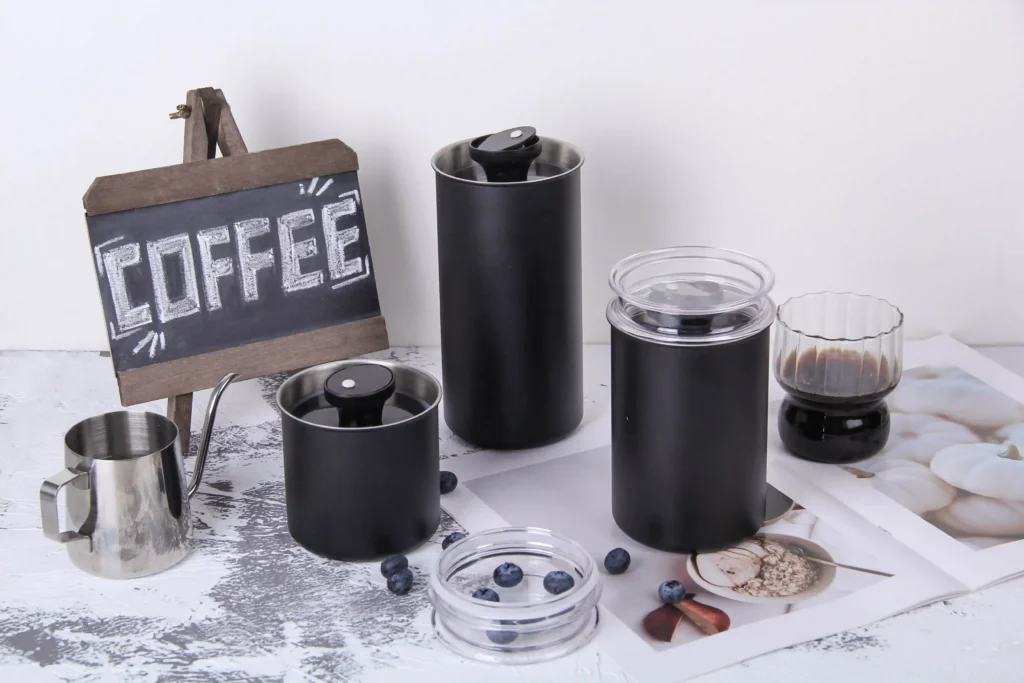
3. Stainless Steel Lids
Commonly paired with matching stainless steel or glass containers, these lids are built like tanks and favor a sleek, industrial aesthetic.
- Airtight & Leakproof Seal: High. Like plastic lids, stainless steel lids often feature heavy-duty metal roller clips and a silicone gasket to create a highly pressurized, leakproof seal.
- Durability: Maximum. They are practically indestructible. They won’t crack, shatter, or warp, making them the longest-lasting option on the list.
- Safety & Maintenance: Non-porous, rust-resistant, and entirely free of plastic chemicals. However, they are absolutely not microwave-safe. They are dishwasher safe, though hand-washing keeps the finish pristine.
- Best For: Camping, travel, kids’ school lunches, and freezing leftovers.
4. Bamboo Lids
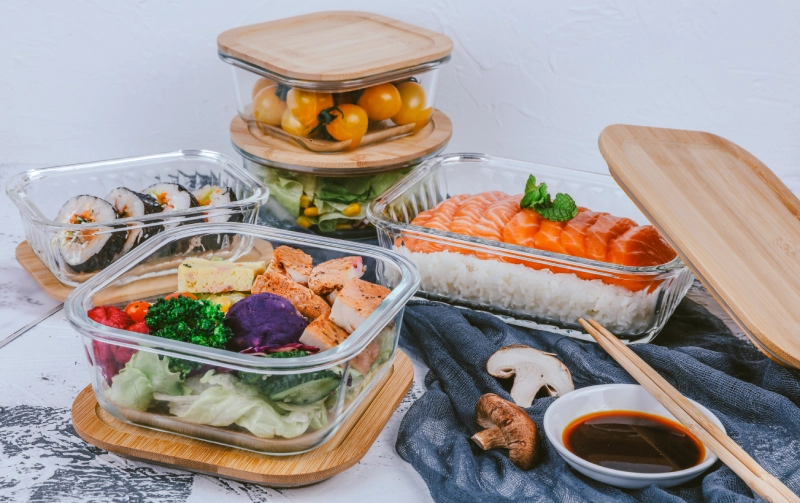
Bamboo is a fast-growing grass, making these lids highly sought after for eco-conscious consumers who want a warm, Scandinavian, or minimalist aesthetic.
- Airtight & Leakproof Seal: Moderate. They use a silicone ring around the base to create a tight press-fit seal. They keep food fresh and dry but are rarely 100% leakproof against liquids.
- Durability: Moderate. Bamboo is naturally tough and resistant to water damage compared to traditional wood, but it can split or crack if it dries out completely or stays submerged in water.
- Safety & Maintenance: High effort. Bamboo has natural antimicrobial properties, but it cannot go in the dishwasher, microwave, or oven. They must be hand-washed immediately and dried completely to prevent mold.
- Best For: Dry goods storage (flour, sugar, coffee, pasta) displayed on open pantry shelves, or dry fridge snacks like nuts and berries.
5. Wood Lids (Acacia, Walnut, Beech)
Often confused with bamboo, solid wood lids (like Acacia or Walnut) offer unique, rich grain patterns. They are purely luxury, aesthetic choices for home organization.
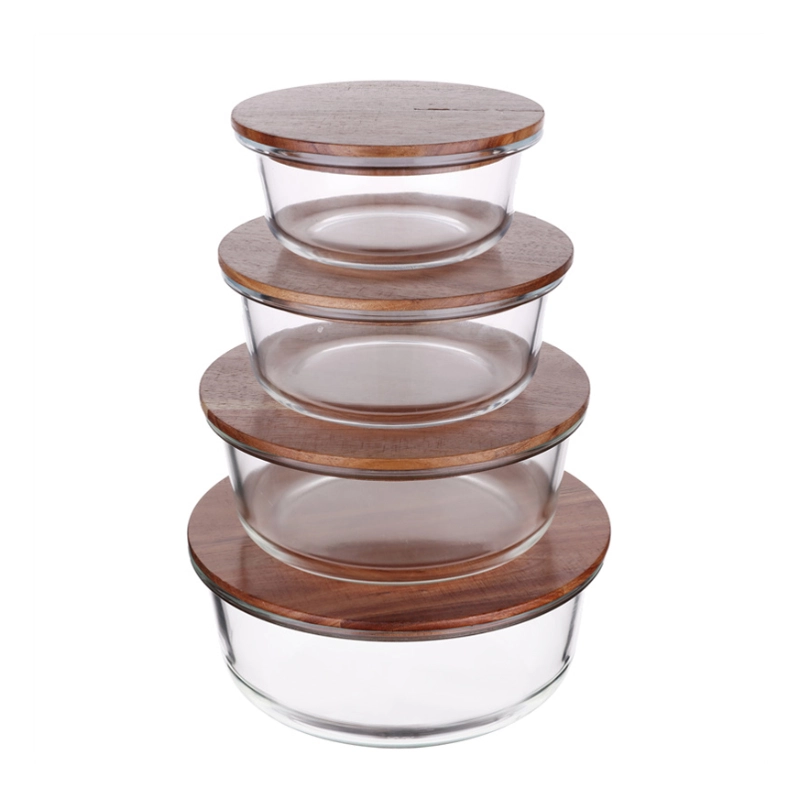
- Airtight & Leakproof Seal: Moderate. Similar to bamboo, they rely on a silicone gasket press-fit. Great for airflow control, poor for liquid confinement.
- Durability: Moderate. Wood is heavy and sturdy, but highly sensitive to temperature fluctuations and humidity.
- Safety & Maintenance: Very high effort. Wood is prone to warping, cracking, and harboring mold if not cared for. They require hand-washing, immediate towel-drying, and occasional coats of food-safe mineral oil to maintain the wood’s integrity. They are strictly banned from microwaves and dishwashers.
- Best For: Countertop display jars, sugar bowls, and dry pantry aesthetics.
Summary Comparison Table
| Material | Leakproof? | Microwave Safe? | Dishwasher Safe? | Stain/Odor Resistant? | Aesthetic Appeal |
| BPA-Free Plastic | Yes (Excellent) | Yes (Usually) | Yes (Top Rack) | No | Casual / Utility |
| Glass | Yes (Good) | Yes (Excellent) | Yes | Yes (Excellent) | Clean / Modern |
| Stainless Steel | Yes (Excellent) | NO | Yes | Yes (Excellent) | Industrial / Sleek |
| Bamboo | No (Dry/Press) | NO | NO | Moderate | Eco / Minimalist |
| Wood | No (Dry/Press) | NO | NO | Poor | Luxury / Rustic |
Wrapping It Up: Which Lid Wins?
At the end of the day, there is no single “perfect” lid material—there is only the lid that matches how you cook, eat, and clean.
If your priority is a bulletproof, leakproof seal for on-the-go lunches, BPA-free plastic or stainless steel will never let you down. If you want the ultimate convenience of moving a dish seamlessly from the fridge to the microwave without changing containers, glass lids are your best bet. And if you are tackling a kitchen organization project and want your countertop pantry jars to look like a Pinterest board, the warm, sustainable aesthetic of bamboo or solid wood is unmatched.
Before you add that next food storage set to your cart, take a quick inventory of your habits. Do you hate hand-washing? Skip the wood. Do you microwave everything? Steer clear of stainless steel. By matching the lid material to your daily routine, you’ll cut down on food waste, save money, and finally achieve the functional kitchen of your dreams.