You’ve probably been there: you’re shopping for a new set of glass mixing bowls, food storage containers, or a coffee carafe, and you notice two items that look almost identical. Yet, one costs $15, and the other costs $40.
When you look closer, the pricier label proudly boasts that it is made from borosilicate glass.
It’s easy to assume this is just marketing jargon designed to justify a luxury markup. After all, glass is just glass, right? Not quite. The price difference isn’t arbitrary; it is the direct result of expensive raw materials, an intense high-heat manufacturing process, and unmatched durability.
Let’s pull back the curtain on the glassmaking industry and break down exactly what you are paying for when you buy borosilicate kitchenware.
1. The Ingredients: Premium Raw Materials
To understand the price, we have to look at the recipe.
Standard everyday glassware—like your typical window panes, jars, and cheap drinking glasses—is made from soda-lime glass. It’s cheap to produce because its primary ingredients (silica sand, soda ash, and limestone) are abundant and inexpensive to mine.
Borosilicate glass, however, requires a completely different chemical makeup:
Boron Trioxide: This is the magic ingredient. Adding boron to the mix completely alters the glass’s atomic structure, making it incredibly resistant to temperature swings. However, boron is much scarcer and significantly more expensive to source and refine than soda ash.
Higher Silica Content: Borosilicate requires a much higher concentration of pure silica than standard glass, which adds to the raw material costs.
2. The Fire: Extreme Heat and Energy Consumption
Turning raw sand and minerals into flawless kitchenware requires heat—a lot of it. This is where the production costs truly skyrocket.
The Melting Point: Standard soda-lime glass melts at around 1000°C. Borosilicate glass, because of its chemical structure, requires temperatures upward of 1400°C to 1600°C to melt and form.
The Energy Bill: Keeping industrial furnaces running at those extra hundreds of degrees requires massive amounts of energy. Factories must burn significantly more fuel or consume vastly more electricity to maintain these extreme melting points, driving up the baseline cost of every single piece produced.
3. The Craft: Complexity and Lower Yield Rates
Borosilicate glass is notoriously difficult for glassblowers and automated machines to work with.
Because it is designed to resist heat, it behaves differently when molten. It cools and solidifies much faster than standard glass, leaving an incredibly narrow window of time for artisans or machines to shape it perfectly into a measuring cup, teapot, or baking dish.
This difficulty leads to a higher defect rate (or “rejection rate”) in the factory. If a cooling piece develops a microscopic structural flaw or bubble, it fails quality control and must be discarded or remelted. Because fewer perfect pieces survive the manufacturing line compared to standard glass, the cost of those flawless, finished pieces on the store shelf naturally goes up.
4. Borosilicate vs. Soda-Lime Glass: Quick Comparison
| Feature | Borosilicate Glass | Soda-Lime (Standard) Glass |
| Thermal Shock Resistance | Excellent (Can withstand sudden temperature shifts up to 170°C / 340°F) | Poor (Will shatter if exposed to rapid temperature changes) |
| Durability & Scratch Resistance | High (Harder surface, less prone to scratching or chipping) | Moderate (Easier to scratch and nick over time) |
| Chemical Resistance | 100% Inert (Won’t stain, absorb odors, or leach chemicals) | Fair (Can degrade or cloud after years of acidic food exposure) |
| Price Point | Premium | Budget-friendly |
5. The “Cost Per Use” Argument: Why It’s Actually a Smarter Investment
While the upfront cost of borosilicate glass is higher, looking at it through the lens of cost-per-use reveals it is often the more economical choice in the long run.
Complete Thermal Peace of Mind
Have you ever experienced the minor heart attack of a glass baking dish shattering on your countertop because it was too hot? With standard soda-lime glass, thermal shock is a constant hazard. Borosilicate glass allows you to take a leftover casserole straight from the freezer and put it directly into a preheated oven without a second thought. You aren’t just paying for glass; you are paying for kitchen safety.
Ultimate Versatility
Because borosilicate can handle the freezer, microwave, oven, and dishwasher seamlessly, one piece of glassware does the job of three. A single container can act as your meal-prep bowl, your cooking vessel, your serving dish, and your leftover storage. You end up buying fewer overall items for your kitchen cabinets.
It Lasts a Lifetime
Standard glass chips easily in the sink and weaken over time from repeated dishwasher cycles. Borosilicate is physically harder and chemically inert, meaning it won’t corrode, cloud up, absorb stubborn spaghetti sauce stains, or retain old food odors. You buy standard glassware repeatedly because it breaks or degrades; you buy borosilicate once.
Crafted for Modern Kitchens: The EasyLife Housewares Difference
At EasyLife Housewares, we don’t believe in cutting corners when it comes to the tools you use every day. We know that the kitchen is the heart of the home, and you need glassware that can keep up with the chaos of meal prep, family dinners, and quick cleanups.
That’s why we deliberately choose high-grade borosilicate glass for our collections. We don’t want you to worry about a dish cracking when it hits a cold countertop or staining after a night holding tomato sauce. Our mission is to combine beautiful, minimalist design with the rugged durability of premium engineering—giving you kitchenware that elevates your space and truly lasts a lifetime.
When you choose EasyLife Housewares, you aren’t just buying another glass container. You are investing in safety, versatility, and a more effortless kitchen experience.
Recommended products
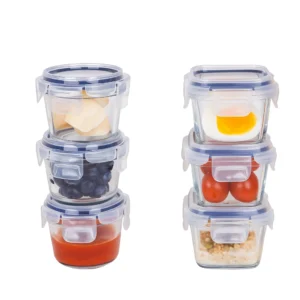
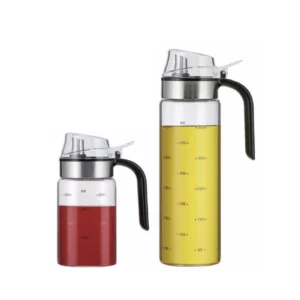
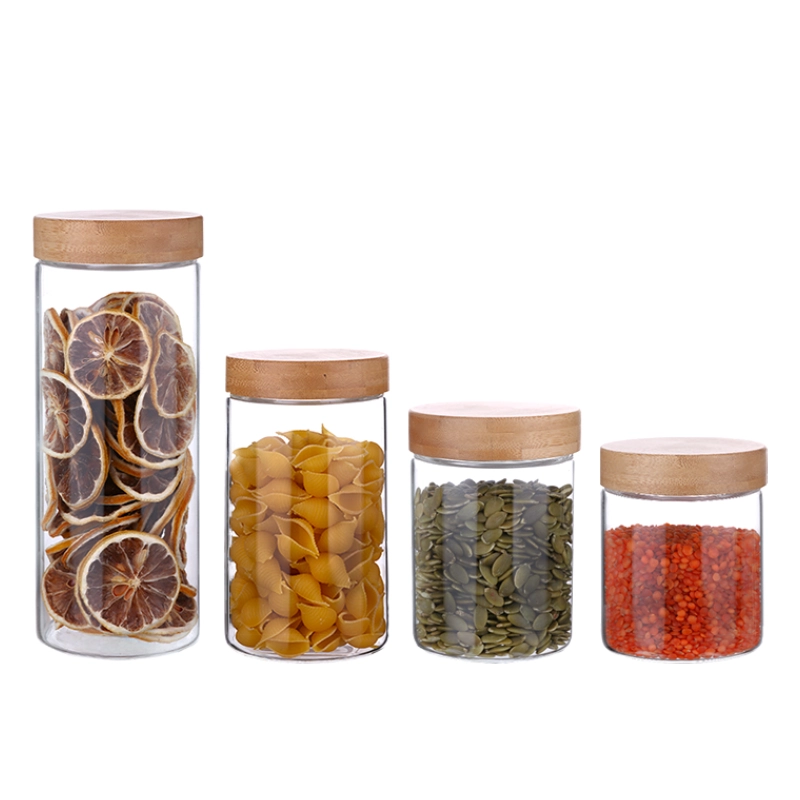
Conclusion
The premium price of borosilicate glass isn’t a marketing trick—it is a reflection of premium ingredients, intense energy requirements, and superior engineering. When you invest in borosilicate, you are paying for durability, unparalleled versatility, and safety in your home.