Choosing the right glass food storage container is about more than simply selecting a capacity. For brands and B2B buyers, size, shape, lid design, storage efficiency, and intended use all influence whether a product will work well in the market.
A container designed for sauces may not be suitable for meal prep, while a large family-size container may take up unnecessary refrigerator space when used for small portions. For brands developing a glass food storage range, the challenge is to find a practical combination of sizes and shapes that covers different consumer needs without creating an unnecessarily complicated product line.
This guide explains the key factors to consider when choosing the right size and shape for glass food storage containers, with practical examples from EasyLife Housewares.
Why Size and Shape Matter in Glass Food Storage
The size of a container determines how much food it can hold, but its shape affects how efficiently that food can be stored and how easily the container can be used.
For example, square and rectangular containers can make better use of refrigerator or pantry space because their straight sides can reduce unused gaps between containers. Round containers, on the other hand, can be convenient for liquids, sauces, soups, and everyday handling.
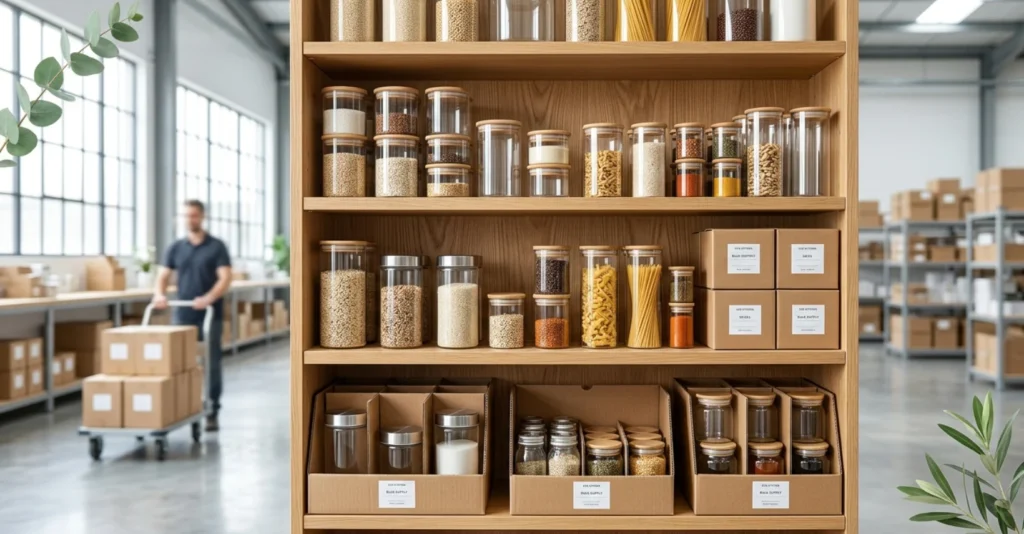
For B2B buyers, size and shape also influence product positioning, packaging, SKU planning, and retail presentation. A well-designed product range does not necessarily need dozens of different designs. A carefully selected combination of sizes and shapes can cover a wide range of applications while keeping the collection consistent.
Choosing the Right Glass Food Container Size
The ideal capacity depends on what consumers are expected to store and how the product will be used.
Small Glass Food Containers
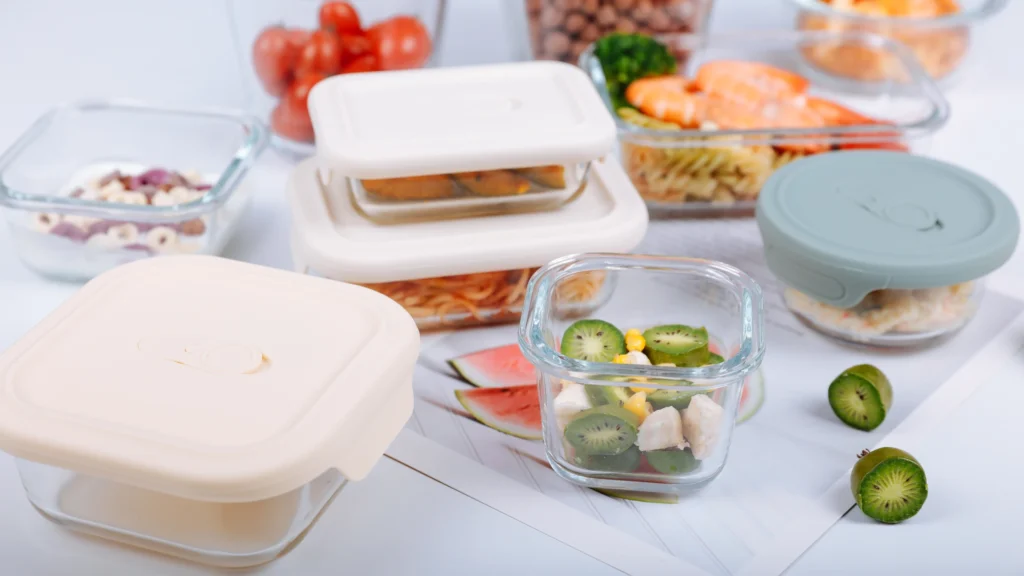
Small containers are useful for sauces, dips, snacks, toppings, small portions, and other foods that do not require much storage space. They can also work well as part of a multi-size set.
For brands, small containers can be positioned around portion control, compact storage, lunch preparation, or individual servings.
Medium Glass Food Containers
Medium-size containers are often more versatile for everyday food storage. They can be used for leftovers, side dishes, fruits, vegetables, meal preparation, and individual or couple-sized portions.
For a retail product line, medium containers can provide a useful balance between capacity and storage efficiency.
Large Glass Food Containers
Large containers are suitable for family-size meals, batch cooking, prepared dishes, and larger quantities of food. They can also be useful for consumers who prepare several portions at once.
For brands targeting family kitchens or meal-prep users, larger capacities can complement smaller and medium-size containers to create a more complete range.
Round vs. Square vs. Rectangular Glass Containers
Capacity is only one part of the selection process. The shape of the container can make a significant difference to how it fits into everyday storage.
| Shape | Main Advantage | Suitable Applications |
|---|---|---|
| Round | Easy handling and practical for liquids | Soups, sauces, leftovers, everyday storage |
| Square | Efficient use of space | Meal prep, refrigerator storage, pantry organization |
| Rectangle | Longer footprint and flexible placement | Larger meals, vegetables, prepared foods |
Round Glass Food Storage Containers
Round containers are familiar and easy to handle. Their shape works particularly well for liquids and semi-liquid foods such as soups, sauces, dressings, and marinades.
They can also be a practical choice for general food storage when ease of handling is more important than maximizing every inch of refrigerator or shelf space.
Square Glass Food Storage Containers
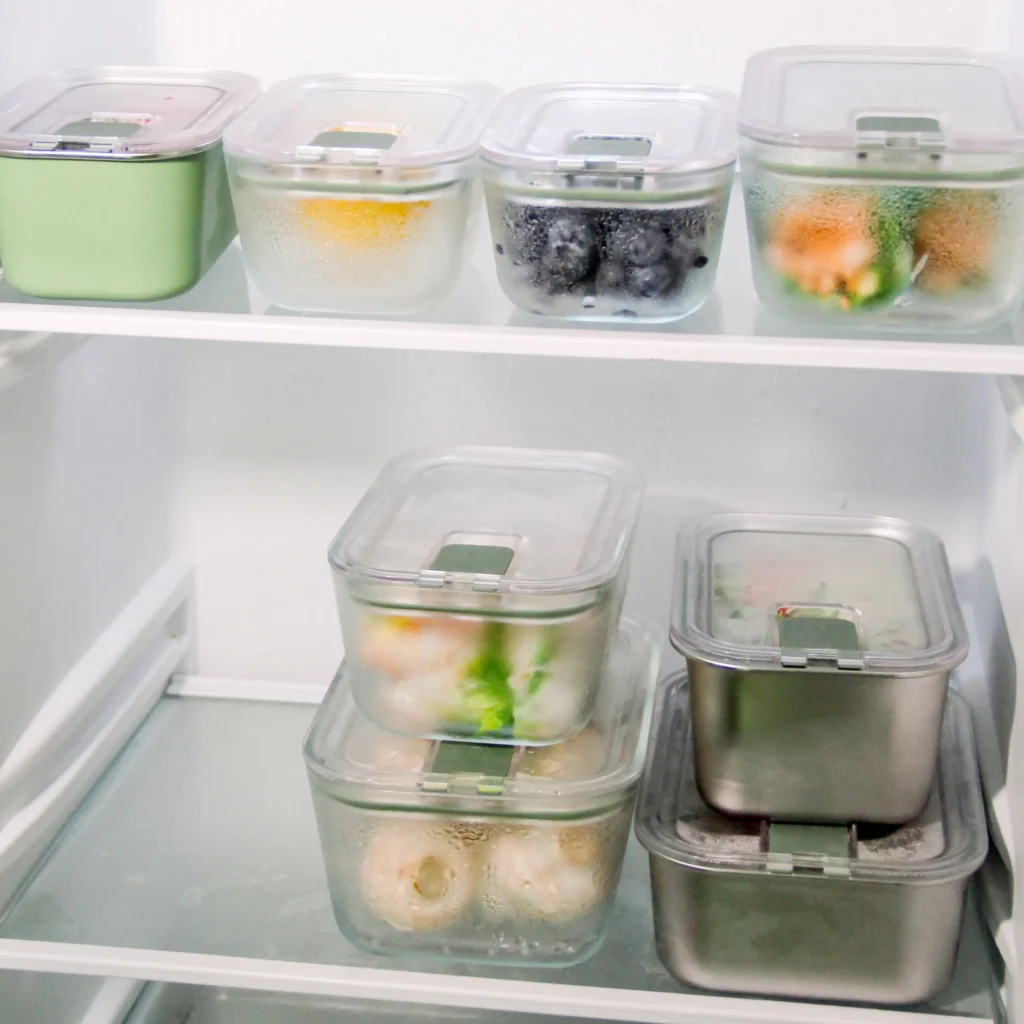
Square containers are especially useful when storage efficiency is a priority. Their straight sides allow multiple containers to be placed next to each other with fewer unused gaps.
This makes square formats suitable for meal prep, refrigerator organization, pantry storage, and portioned foods.
Rectangular Glass Food Storage Containers
Rectangular containers offer a longer footprint and can be useful for larger portions or foods with an elongated shape. They are suitable for prepared meals, vegetables, meat, and other foods that may not fit naturally into a square format.
For brands, rectangular containers can also add variety to a product collection while maintaining a consistent overall design language.
A Practical Approach: Combining Different Sizes and Shapes
For a brand developing a glass food storage range, it is not always necessary to create a completely different product for every application.
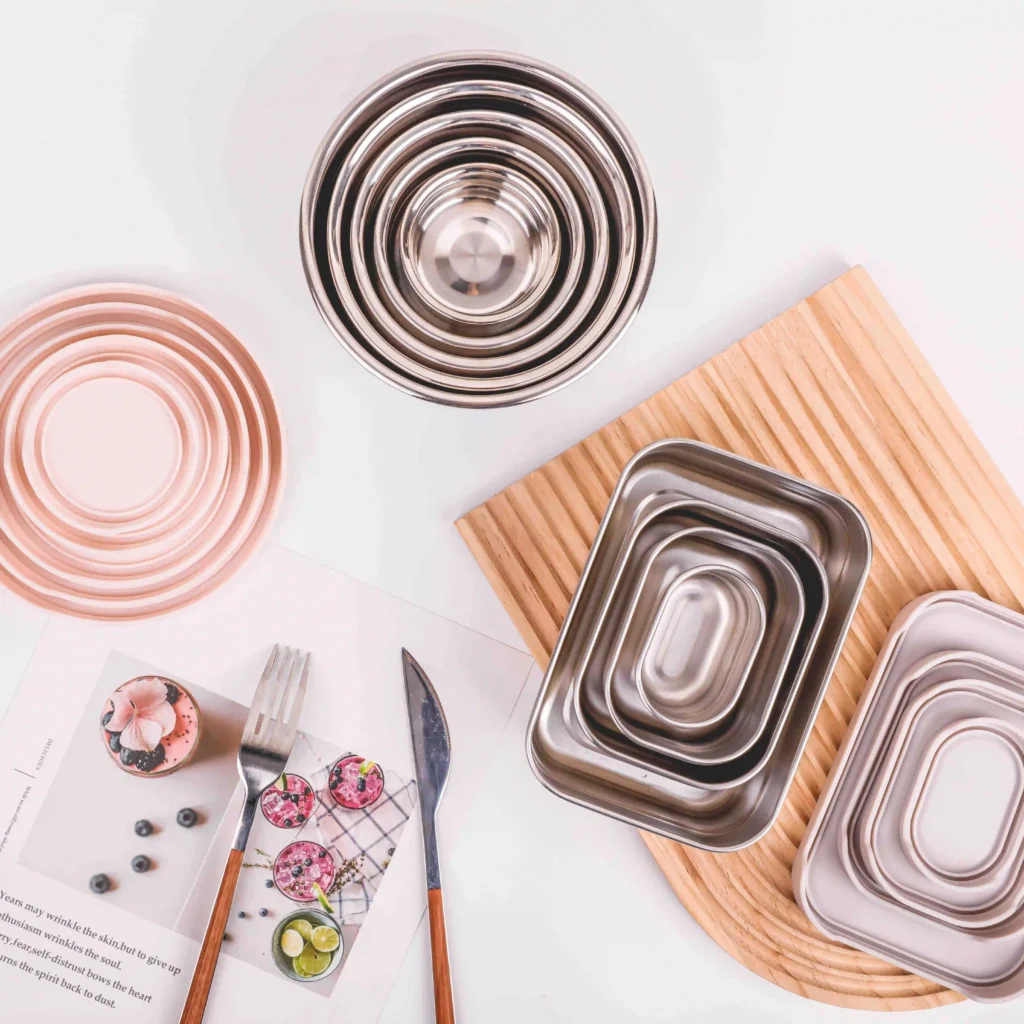
One practical approach is to combine several core sizes with several basic shapes.
For example, EasyLife Housewares can develop a product structure based on three sizes and three shapes:
| Small | Medium | Large | |
|---|---|---|---|
| Round | ✓ | ✓ | ✓ |
| Square | ✓ | ✓ | ✓ |
| Rectangle | ✓ | ✓ | ✓ |
This creates a potential 3 × 3 product structure with nine variations, allowing brands to offer different capacities and shapes while maintaining a coherent product family.

The exact combination does not need to include every variation for every market. Buyers can select the sizes and shapes that match their target customers, retail positioning, and packaging strategy.
This approach can also make product management easier. Instead of introducing many unrelated SKUs, brands can build a recognizable collection around a consistent design.
Don’t Choose Size Without Considering the Lid
The container itself is only one part of the product. The lid also needs to be considered when selecting a glass food storage container.
For airtight storage, for example, the lid needs to work effectively with the container opening and sealing structure. A silicone gasket can help create a tighter seal, while different lid configurations can support different applications.
Depending on the product concept, brands may consider:
- Airtight lids Locking lids
- Vented lids
- Silicone valve designs
- Different lid colors
- Customized lid designs
Opening size is another practical consideration. A wider opening can make filling, removing food, and cleaning more convenient, particularly for products intended for everyday use.
Match the Container Shape to the Food and Application
Rather than asking whether one shape is better than another, buyers should consider how the container will actually be used.
| Application | Possible Suitable Format |
|---|---|
| Meal Prep | Square / Rectangle |
| Soups & Sauces | Round |
| Leftovers | Medium Round / Square |
| Family Meals | Large Rectangle |
| Fruits & Vegetables | Medium / Large |
| Pantry Storage | Square / Rectangle |
| Snacks | Small / Medium |
| Refrigerator Organization | Square / Rectangle |
These are general design considerations rather than fixed rules. The best format depends on the target market, food type, storage environment, and overall product concept.
What Should Brands Consider Before Choosing a Container Range?
For B2B buyers, choosing the right size and shape should be part of a broader product development process.
First, consider the target market. A product designed for individual meal prep may require a different size range from one designed for family food storage.
Next, consider the main food applications. Will customers mainly store dry foods, leftovers, prepared meals, sauces, or fresh ingredients?
Storage conditions are also important. If the product is intended for refrigerator, freezer, or microwave use, the glass and lid system should be developed and tested for the intended application.
Finally, consider SKU and packaging strategy. More sizes do not automatically mean a better product range. The goal is to provide enough choice to meet customer needs while keeping the collection practical for production, packaging, inventory, and retail display.
Glass Food Storage Containers for B2B and OEM/ODM Projects
For brands, choosing an existing product is only one option. A supplier with product development capabilities can also help adapt a container range to a specific market.
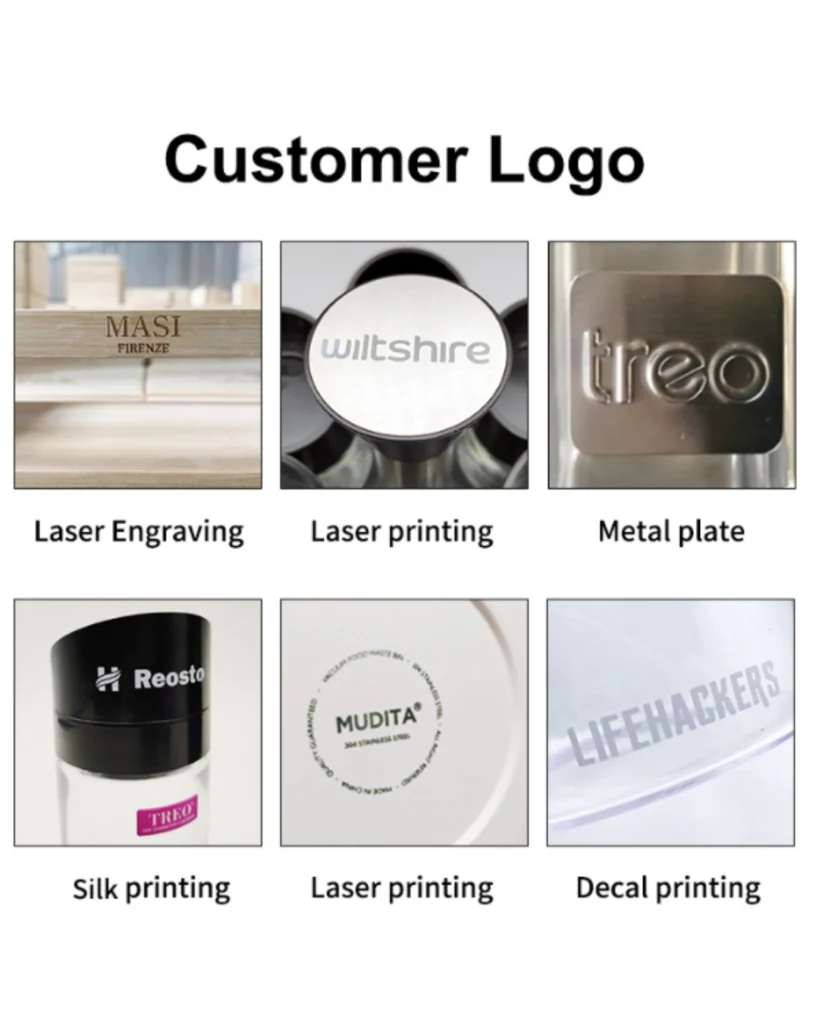
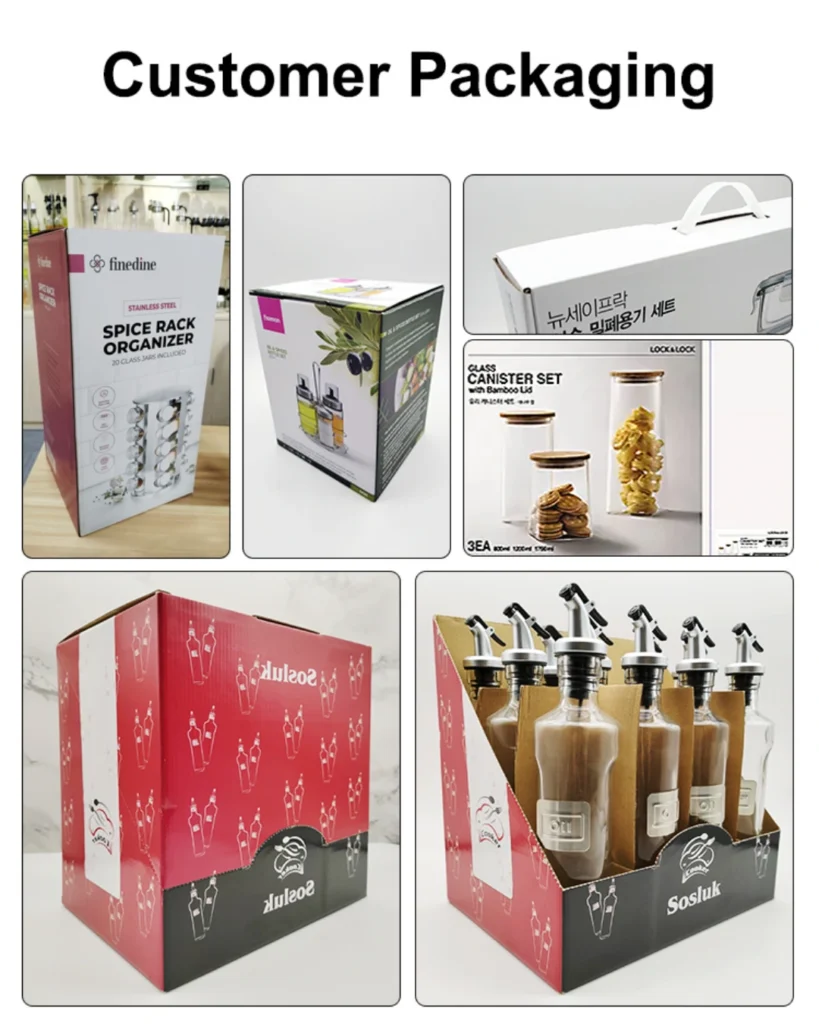
At EasyLife Housewares, we offer different glass food storage container sizes and shapes and support suitable OEM and ODM projects. Depending on the project, customization can include product specifications, lid options, colors, logos, packaging, and other design requirements.
Whether you need a simple product range with several core sizes or are developing a more customized collection, the starting point should always be the same: understand how the product will be used and what your target customers actually need.
FAQ
What size glass food storage container should I choose?
The right size depends on the food type, serving size, and intended application. Small containers work well for sauces and portions, while medium and large containers can be used for everyday meals, leftovers, and family-size food storage.
Are square or round glass containers better?
Neither shape is universally better. Square containers can make efficient use of storage space, while round containers can be convenient for liquids, sauces, and everyday handling.
Are rectangular glass containers good for meal prep?
Yes. Their longer footprint can make them practical for prepared meals and larger portions, while their straight sides can also help with refrigerator organization.
Why should brands offer multiple container sizes?
Different capacities allow a brand to serve different consumer needs and create a more complete product collection without requiring completely different product designs.
Can EasyLife customize glass food storage containers?
EasyLife supports suitable OEM and ODM projects, including product specifications, lid options, colors, logos, packaging, and other customization requirements.
Conclusion
Choosing the right glass food storage container is ultimately about finding the right balance between capacity, shape, usability, storage efficiency, and product positioning.
For brands, a thoughtful combination of sizes and shapes can create a practical product family without making the SKU structure unnecessarily complicated. Round, square, and rectangular formats each have their own applications, while different capacities allow the same product concept to serve different consumer needs.
At EasyLife Housewares, we work with brands and buyers on glass food storage products, from existing designs to customized OEM and ODM projects.
Have a product idea or a specific size and shape in mind? Send us your requirements and let’s talk about what could work for your market.