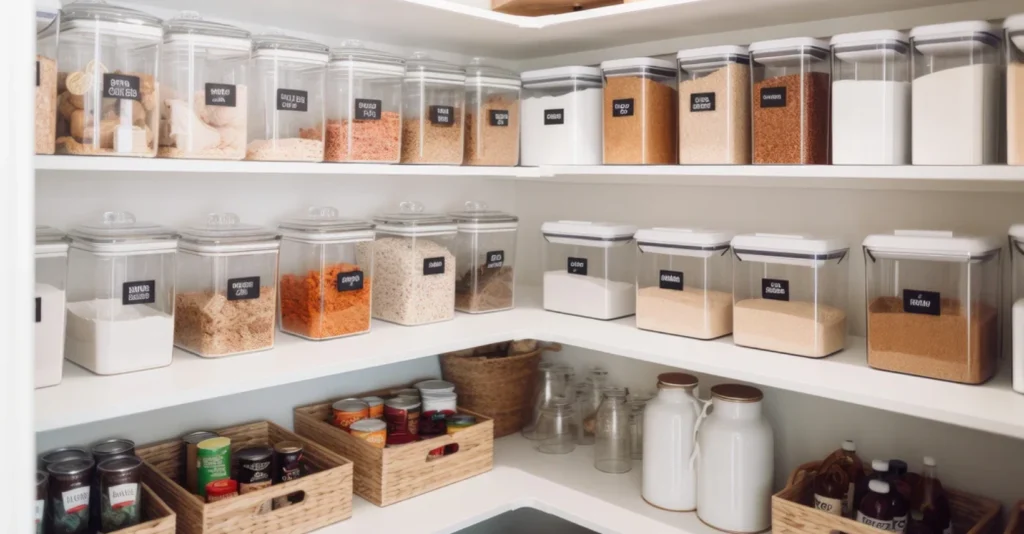
I’m sure there are many people like me who find it a real headache to organize a messy refrigerator. Irregular organization will lead to a lot of food being forgotten and wasted, and bring odor to the refrigerator, and even affect our health. But when I opened the refrigerator door, I wanted to tidy it up and couldn’t start.
A messy fridge isn’t just an eyesore, it’s a food safety hazard. Overcrowding and improper sealing lead to cross-contamination, “danger zone” temperature fluctuations, and massive food waste. Therefore, how to organize a fridge for food safety has become an unavoidable problem in modern home life. We’ve put together a professional guide to transforming your fridge into a safe, functional, and beautiful space using all kinds of high-quality food storage containers.
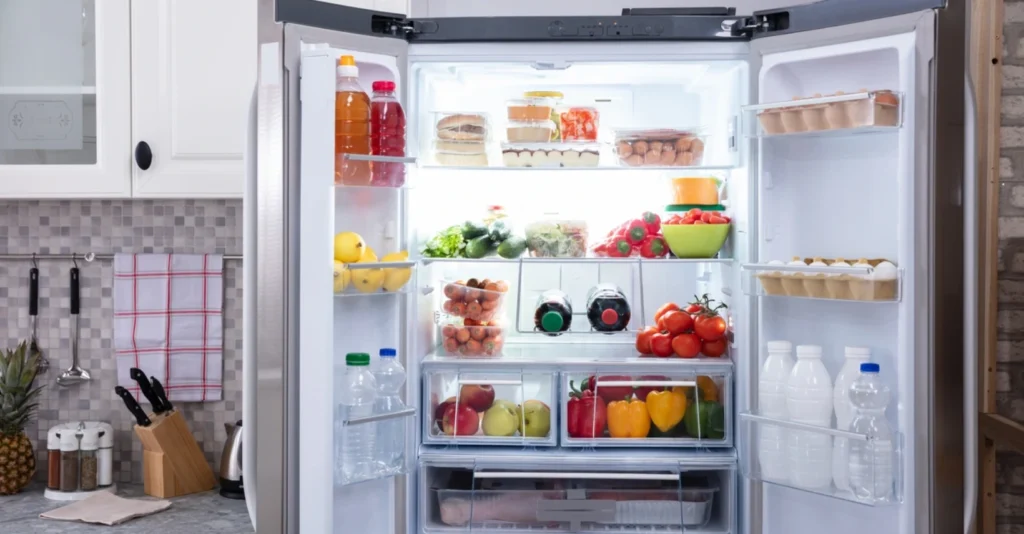
How to Organize a Fridge for Food Safety
The Golden Rule: Everything in its Place
To keep food safe, you must respect your fridge’s temperature zones.
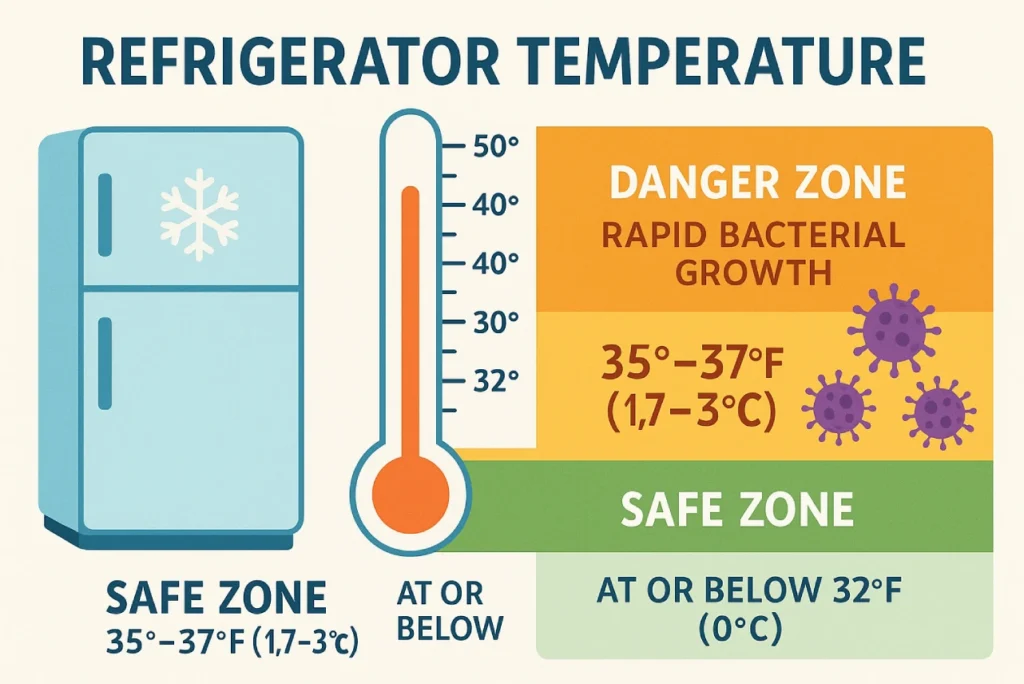
Upper Shelves (Consistent Temp): Ideal for ready-to-eat foods like yogurt, cheese, and deli meats.
- Our Solution: Use our Clear Airtight Plastic Containers. Grouping similar items (the “Box-in-Box” method) makes it easy to pull out the whole “breakfast box” at once, keeping the door closed longer and temperatures stable.
Lower Shelves (The Coldest Zone): This is the safest spot for raw meat and fish.
- Our Solution: Store raw proteins in our Stainless Steel Containers.
- Pro Tip: Metal is a superior conductor of cold. S/S containers help food reach a safe temperature faster after being on the counter, minimizing the time bacteria have to grow.
The Door (The Warmest Zone): Never put milk here! The constant opening and closing cause temp spikes.
- Our Solution: Decant milk and juices into our Glass Swing Top Bottles. The mechanical silicone seal is more reliable than plastic twist-caps, preventing your milk from absorbing “fridge smells” like onions or garlic.
Material Matters: Choosing the Right Tool
A one-size-fits-all approach doesn’t work for food safety. Here is how to use our product line effectively:
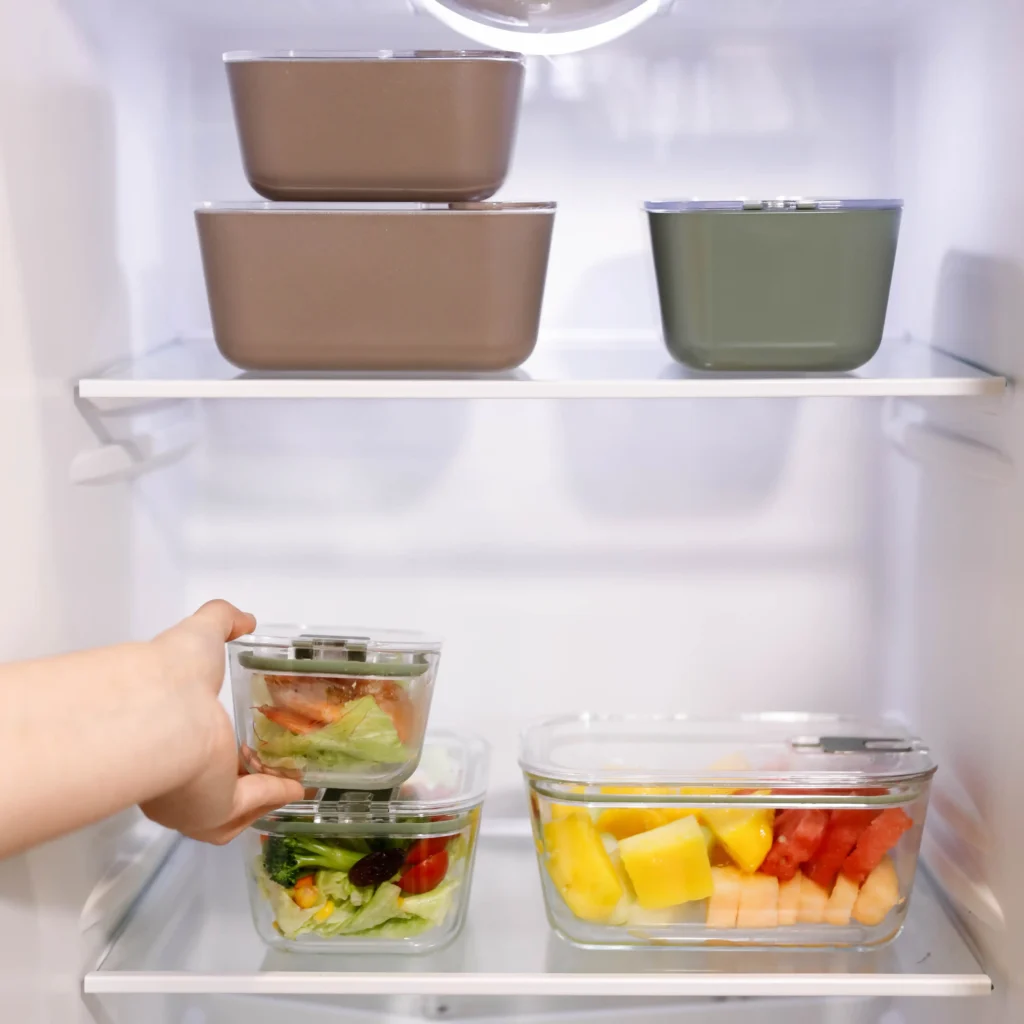
Glass Lunch Boxes: Perfect for leftovers. Our glass is non-porous and BPA-free. With our airtight lids, these containers transition beautifully from Fridge → Microwave/Oven → Office, reducing the need to transfer food (and risk contamination) between dishes.
Airtight Plastic Sets: These are your workhorses for produce.
- Pro Tip: Line an Airtight Plastic Container with a paper towel before adding washed greens. The container provides the seal to stop wilting, while the paper towel absorbs excess moisture to prevent “slimy” rot.
Stainless Steel: Best for “strong” foods like cut onions or kimchi. Unlike plastic, S/S won’t “trap” odors, meaning you can store pungent items today and fruit tomorrow without a flavor overlap.
Solving the “Food Waste” Crisis
“Out of sight, out of mind” is why we throw away money every month.
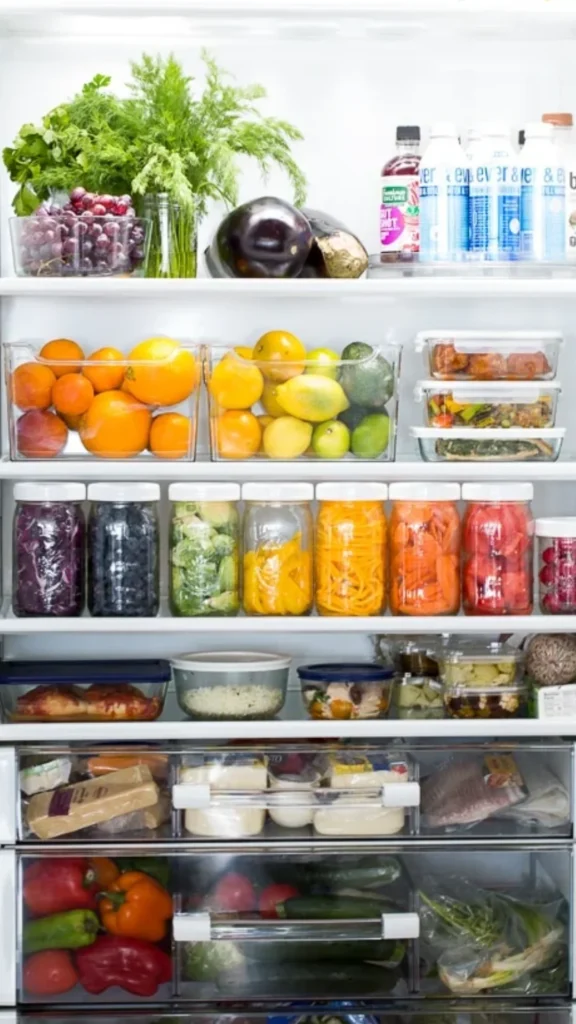
The “FIFO” Strategy: Practice “First-In, First-Out.” Use our Clear Glass or Plastic Containers so your leftovers act as a visual “to-do list” for your appetite. If you can see the pasta, you’ll eat the pasta.
The Power of the Seal: Oxygen is the enemy of freshness. Our Airtight Silicone-Seal Lids create a vacuum-tight environment that can extend the life of berries and herbs by up to 50% compared to store packaging.
A Step-by-Step Transition Guide
Ready to overhaul your kitchen? Follow these steps:
The Purge: Empty your fridge and wipe all surfaces with a mild disinfectant.
Standardize Your Sizes: Using a uniform set of our stackable containers maximizes vertical space and prevents “fridge avalanches.”
Label for Safety: Use a chalk marker on our glass lids or a label on the plastic ones to write the “Date Prepped.” No more “sniff tests” required!
Beyond the Basics: 6 Creative Hacks for a Pro-Level Fridge
1. The “Eat Me First” Bin (Visual Urgency)
One of the biggest causes of food waste is items getting pushed to the back.
The Idea: Use one of your Clear Airtight Plastic Containers and label it in bold: “EAT ME FIRST.” The Goal: Place items nearing their expiration date (half an onion, an open yogurt, or Friday’s leftovers) inside. It creates a focal point for family members looking for a snack.
2. The “Drip-Safe” Zone (The S/S Meat Drawer)
Raw meat is the #1 safety concern in a fridge.
The Idea: Designate a specific Stainless Steel (S/S) Tray or Deep Container as the “Raw Zone” on the very bottom shelf.
The Goal: Even if store packaging leaks, the S/S container catches the liquid. Because it’s stainless steel, it can be sanitized at high temperatures in the dishwasher, unlike some plastics that might degrade.
3. “The Infusion Station” (Glass Bottle Hack)
Fridge doors are often cluttered with half-empty soda bottles and bulky juice cartons.
The Idea: Use your Glass Swing Top Bottles to create a “Spa Water” or “Cold Brew” station.

The Goal: Pre-fill bottles with water, lemon slices, mint, or cucumbers. Because they are slim and vertical, they maximize door space while looking incredibly aesthetic—encouraging the family to drink more water and less soda.
4. Color-Coded “Zone” Lids
If you offer different lid types (Bamboo vs. Plastic) or different colored seals, use them to categorize.
The Idea: Use Bamboo Lids for “Ready to Serve” meals (Table-ready) and Plastic Lids for “Ingredients” (needs cooking).
The Goal: At a glance, you know exactly what can be grabbed for a quick lunch and what requires prep time.
5. The “Lazy Susan” for Condiments
Deep fridge shelves are where jars go to die.
The Idea: Place a turntable (or one of your wider, shallower circular airtight containers) on a middle shelf for condiments.
The Goal: Instead of digging for the mustard, you simply spin or slide the container out.
6. The “Prep-Station” Stack
Don’t just store food; store meals.
The Idea: Use your Lunch Box sets to “Vertical Stack” specific recipes.
The Goal: If you’re making Tacos, stack the S/S container of meat, the glass container of salsa, and the plastic container of shredded lettuce on top of each other.
Conclusion: A Safer, Smarter Kitchen
Organization is often seen as a chore, but in reality, it is an investment. By applying these food safety principles, you aren’t just making your fridge look like a professional kitchen—you’re actively protecting your family’s health, reducing your environmental footprint by cutting down on food waste, and saving money every single week.
At EasyLife, we believe that the right tools make all the difference. Our mission is to provide more than just “containers”; we provide a comprehensive storage system designed for the modern, safety-conscious home. Whether it’s the thermal efficiency of our Stainless Steel line, the crystal-clear reliability of our Airtight Plastic sets, or the elegant, eco-friendly transition of our Glass and Bamboo lunch boxes, our products are engineered to solve your daily kitchen challenges.
A fresh, safe, and organized lifestyle starts with the right foundation. Don’t let your groceries—or your peace of mind—expire in a cluttered fridge.